# TikTok's 3-Color Rule: What the Science Says About Eating the Rainbow
A viral trend on TikTok promotes a simple eating strategy. The 3-color rule asks people to include at least three different colored foods in each meal. Followers claim this approach supports weight loss and better nutrition.
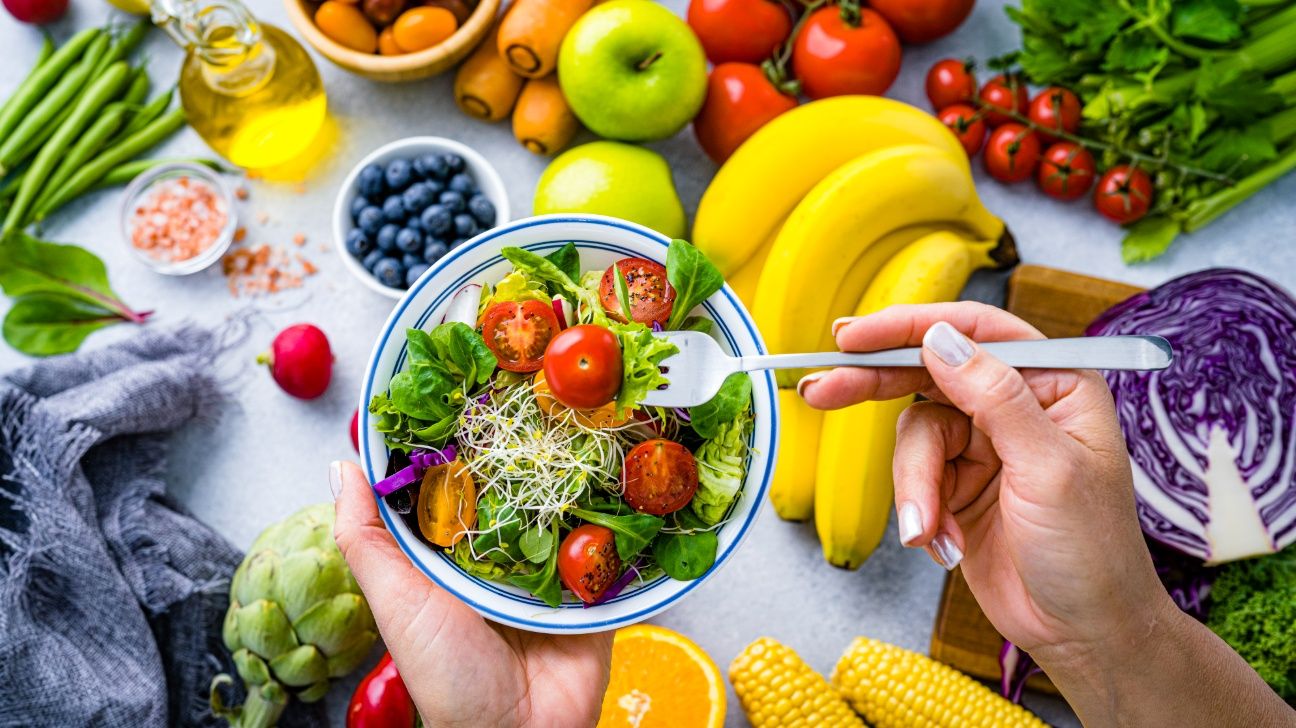
The concept taps into genuine nutritional science. Different colored fruits and vegetables contain distinct phytonutrients, antioxidants, and fiber profiles. Red tomatoes contain lycopene. Orange carrots provide beta-carotene. Leafy greens deliver lutein. Purple foods offer anthocyanins. Each color signals different beneficial compounds.
This variety matters for health. Eating a range of colored foods ensures you consume diverse micronutrients your body needs. Fiber from multiple sources supports digestive health and satiety, which can reduce overall calorie intake naturally. A 2019 analysis published in Advances in Nutrition found that people consuming greater vegetable variety showed better dietary quality markers.
The weight loss connection appears real but indirect. The 3-color rule doesn't directly burn fat. Instead, prioritizing whole foods in multiple colors typically crowds out processed options. Whole foods contain fewer calories per serving than packaged alternatives while providing more satiety. Fiber and water content in vegetables increase fullness on fewer calories.
The approach works best when combined with portion awareness. Loading a plate with three colors of vegetables is excellent. Adding excessive amounts of calorie-dense dressings or oils diminishes the benefit. Preparation method matters too. Roasted or raw vegetables preserve nutrients better than heavily breaded or fried versions.
For practical application, aim for variety at lunch and dinner. A simple formula: fill half your plate with vegetables of different colors, add a protein source, and include a whole grain. This naturally creates a balanced meal without strict calorie