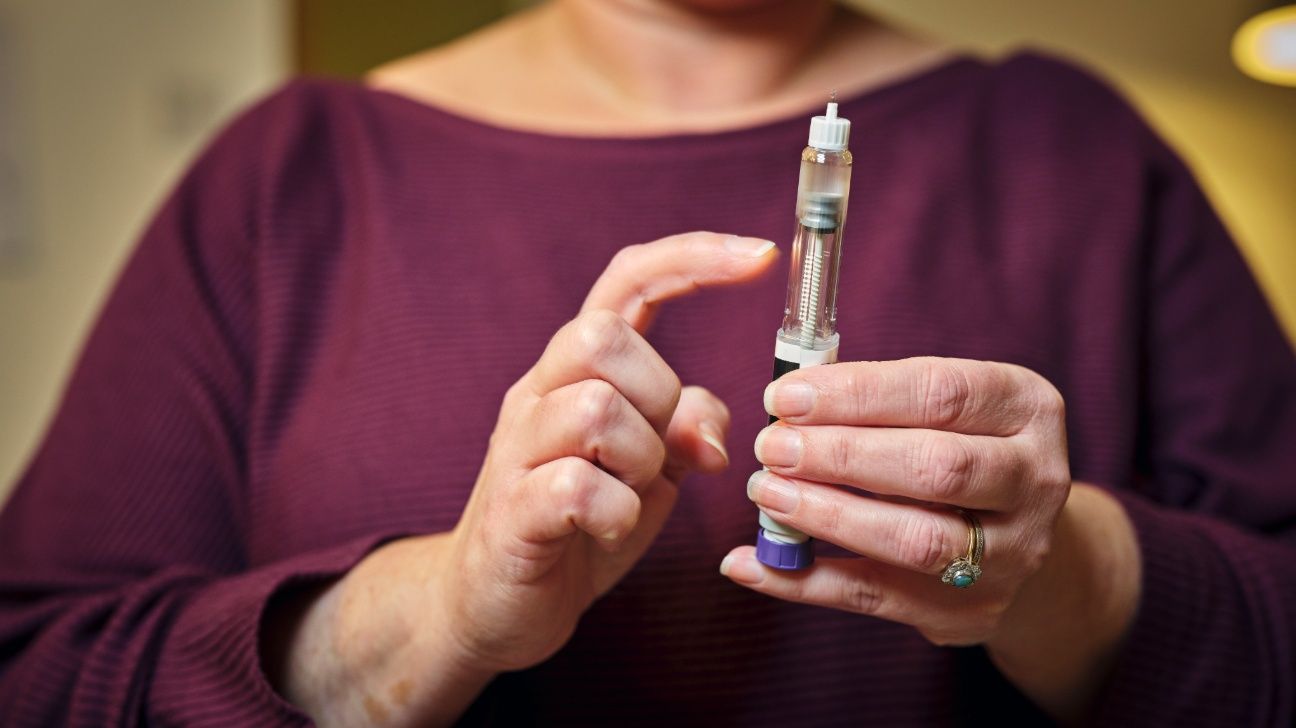
GLP-1 receptor agonists like semaglutide (Ozempic, Wegovy) and tirzepatide (Zepbound, Mounjaro) help people sustain lower calorie intake for more than a year, according to new research. This finding addresses a key question about whether the weight loss effects of these drugs persist over time.
The study tracked how these medications affect eating behavior and energy intake across extended periods. People taking GLP-1s maintained reduced calorie consumption well beyond the initial treatment phase, suggesting the drugs produce lasting changes in appetite regulation rather than temporary appetite suppression.
Researchers measured food intake, satiety signals, and metabolic markers in participants using these medications. The data showed consistent reductions in daily calorie consumption over the 12-month observation period. This sustained decrease differs from many other weight loss interventions, where calorie intake tends to increase again as the body adapts.
GLP-1 medications work by mimicking glucagon-like peptide-1, a hormone that regulates blood sugar and appetite. The drugs slow stomach emptying, increase feelings of fullness, and signal the brain to reduce hunger. These mechanisms appear to remain effective even after extended use.
The findings have practical implications for people managing weight and type 2 diabetes. Extended appetite suppression means individuals can maintain weight loss without constant willpower battles over food choices. This represents an advantage over dieting alone, where hunger typically returns and makes sustained calorie reduction difficult.
Researchers note that while these medications help control calorie intake, they work best alongside lifestyle changes. Continued physical activity and balanced nutrition amplify outcomes. The study also underscores that maintaining weight loss requires ongoing treatment. People who stop taking GLP-1s typically regain weight as appetite hormones return to baseline.
These findings support the use of GLP-1s for long-term