# Vaccine Shows Promise in Preventing Cancer Recurrence
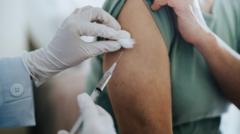
A therapeutic vaccine has delayed cancer recurrence in trial participants, offering a new strategy in the fight against the disease's return. The vaccine extended the time patients remained cancer-free, though researchers have not yet determined how long this protection lasts.
The approach differs from traditional preventive vaccines. Rather than protecting against infection, this jab trains the immune system to recognize and attack cancer cells that may remain after initial treatment. The trial demonstrated measurable delays in cancer's return, suggesting the vaccine activates the body's natural defense mechanisms against dormant tumor cells.
Researchers remain cautious about the timeline of protection. The breakthrough comes from ongoing clinical trials, but the duration of benefit remains unclear. This uncertainty reflects both the complexity of cancer biology and the need for longer follow-up periods to establish sustained benefits.
The vaccine works by teaching immune cells to identify specific markers on cancer cells. By strengthening immune surveillance, the treatment may prevent microscopic cancer populations from developing into detectable tumors. This mechanism represents a shift toward personalized cancer prevention rather than treating established disease.
The findings arrive during a period of expanded research into therapeutic cancer vaccines. Multiple pharmaceutical companies and research institutions are pursuing similar approaches, recognizing that preventing recurrence offers substantial quality-of-life benefits for survivors.
Trial participants who received the vaccine showed extended disease-free intervals compared to control groups. This metric represents a meaningful outcome for cancer care, where each month without recurrence improves survival odds and reduces treatment burden.
Researchers emphasize the need for larger trials to confirm efficacy and establish optimal patient populations. Questions remain about which cancer types benefit most from this approach and whether the vaccine works best combined with conventional therapies.
The vaccine's success in trials represents progress toward turning cancer into a manageable chronic condition rather than an acute threat. As follow-up data accumulates, researchers will determine whether this approach becomes standard