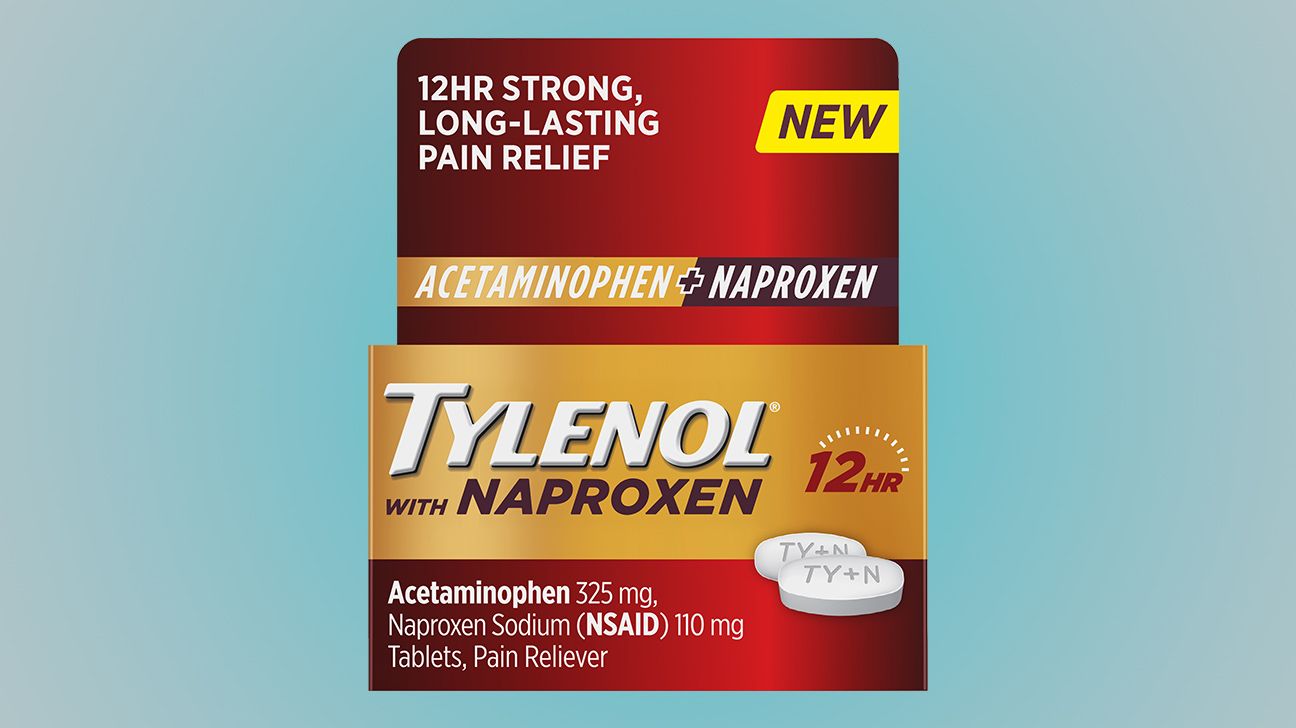
# FDA Approves Tylenol with Naproxen, Marking New Option for Over-the-Counter Pain Relief
The U.S. Food and Drug Administration has approved Tylenol with Naproxen, an over-the-counter combination medication that pairs acetaminophen with the nonsteroidal anti-inflammatory drug naproxen. The approval represents the first time these two pain relievers have been cleared for sale together in a single product, offering patients an alternative to opioid painkillers for moderate pain management.
The combination targets a gap in pain relief options. Acetaminophen and naproxen work through different mechanisms. Acetaminophen blocks pain signals in the brain, while naproxen reduces inflammation by inhibiting prostaglandin production. By combining both, the medication aims to deliver faster and more comprehensive relief than either drug alone.
Clinical research supporting this combination has shown faster onset of action compared to single-ingredient products. Studies demonstrate that patients taking the combination experience pain reduction within 30 minutes for many types of acute pain, including headaches, muscle aches, and menstrual cramps. The faster timeframe appeals to consumers seeking quicker symptom relief without waiting 45 to 60 minutes for traditional acetaminophen or ibuprofen to take effect.
The approval comes as healthcare providers and patients increasingly seek non-opioid alternatives for pain management. The opioid crisis has prompted both medical professionals and regulatory agencies to expand access to safer pain-relief options. The CDC and FDA have both prioritized non-opioid pain management strategies, making this combination approval part of a broader shift in pain medicine.
However, the combination carries considerations that differ from single-ingredient pain relievers. Acetaminophen carries a well-documented risk of liver damage when taken in excessive doses, particularly in people who drink alcohol regularly. Naproxen increases the risk of gastrointestinal bleeding and cardiovascular events, especially with long-term use or in patients with existing heart conditions. Users must avoid taking additional acetaminophen or ibuprofen products while using this combination to prevent unintentional overdosing.
The medication is intended for short-term use. The FDA approval limits duration of use, and consumers should not take the product for more than 10 days without consulting a healthcare provider. People with liver disease, kidney problems, asthma, or active stomach ulcers should avoid this combination entirely or only use it under medical supervision.
Dosing instructions require careful attention. The combination is not appropriate for children under a certain age, and specific weight-based dosing applies to pediatric patients. Adults should follow package directions precisely and never exceed the recommended daily limit.
Healthcare providers view this approval as a practical tool for patients seeking effective pain relief without opioids. The combination's faster action may reduce the temptation to take additional doses prematurely, which occurs frequently with slower-acting single-ingredient products. Pharmacists now play an expanded role in educating patients about the product's benefits and limitations, particularly regarding liver and stomach safety.
Consumers considering this medication should discuss it with their healthcare provider or pharmacist, especially those taking blood thinners, having a history of gastrointestinal problems, or managing chronic pain conditions. While the combination offers convenience and efficacy, responsible use requires understanding both what makes it effective and what restrictions apply.