# You Don't Need to Fear Fruits and Vegetables During Cyclospora Outbreaks
A cyclospora outbreak does not warrant abandoning fresh produce. Federal health officials and food safety experts confirm that produce remains safe when you handle it correctly, and the nutritional benefits of eating fruits and vegetables far outweigh the minimal infection risk.
Cyclospora cayetanensis, a parasitic infection spread through contaminated water, has triggered periodic outbreaks in North America over the past three decades. Most cases link to imported produce like lettuce, cilantro, and berries. The concern feels justified, but public health data tells a different story. The Centers for Disease Control and Prevention tracks cyclospora cases carefully, and cases remain rare relative to the billions of produce servings consumed annually.
The infection causes diarrhea, loss of appetite, and abdominal cramps that typically last one to two weeks if untreated. Antibiotics like trimethoprim-sulfamethoxazole resolve symptoms within days. Immunocompromised individuals face greater risk, but even these populations benefit from eating produce when prepared safely.
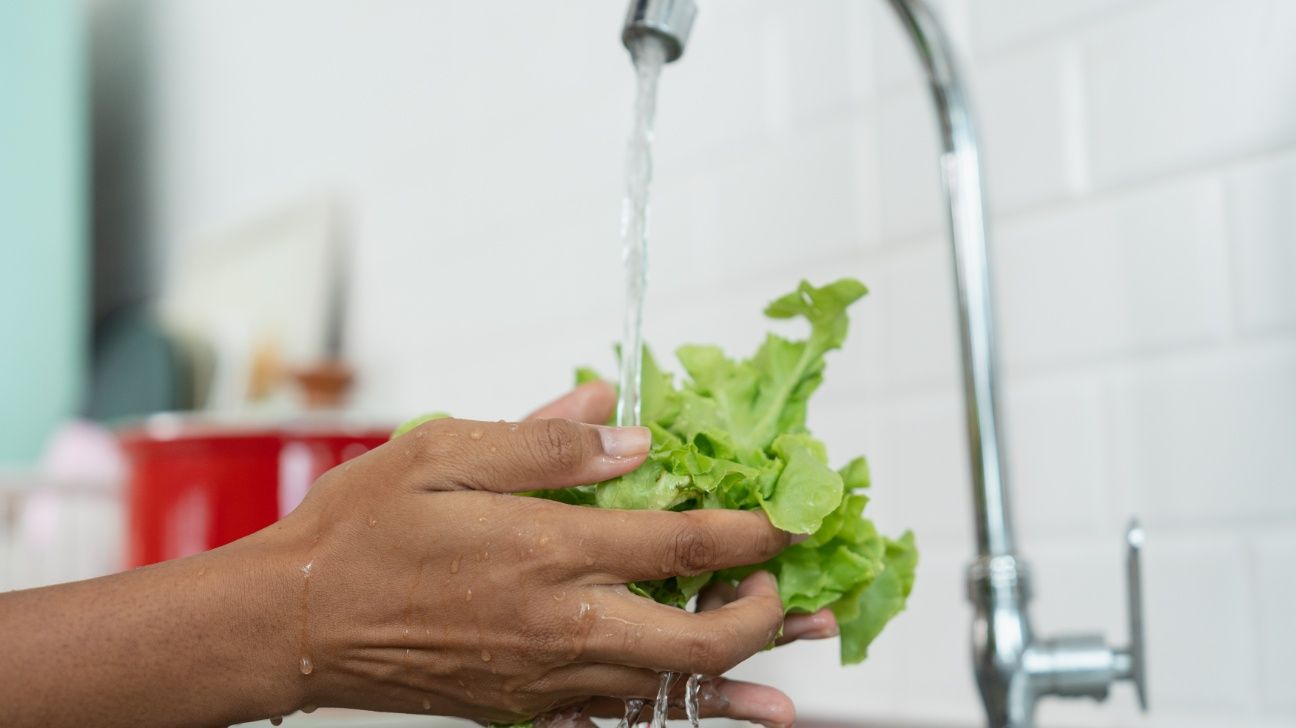
Water contamination, not the produce itself, creates the hazard. Cyclospora parasites require weeks to become infectious outside the human body. This means washing produce thoroughly under running water removes the parasite in most cases. Salad greens and berries respond well to gentle rinsing. Produce with thicker skins, like bell peppers and squash, naturally resist contamination.
Public health authorities recommend these practical steps instead of avoidance. Rinse all produce under running water, including items you plan to cook. Dry produce with clean cloth or paper towels after washing. Store produce separately from raw meat. Prepare salads on clean surfaces with sanitized cutting boards. These habits protect you from cyclospora, listeria, E. coli, and other foodborne pathogens.
The nutritional case for continued consumption remains strong. Fruits and vegetables reduce risk of heart disease, type 2 diabetes, and certain cancers. The Academy of Nutrition and Dietetics emphasizes that the documented health benefits of produce consumption substantially exceed the small theoretical risk of cyclospora infection when basic food safety practices apply.
Pregnant people, young children, older adults, and those with weakened immune systems face heightened vulnerability to severe illness from cyclospora. These groups benefit from extra caution, including cooking produce when possible, but complete avoidance creates nutritional gaps that carry their own health consequences.
Local health departments issue targeted alerts when they identify contaminated product lots. These announcements include specific produce types, brands, and date ranges. Check these notices before shopping, but recognize that trace incidents do not justify sweeping dietary changes for the general population.
The produce industry has strengthened safety protocols substantially since major outbreaks in 2018 and 2019. Suppliers implemented enhanced water testing, sanitation improvements, and traceability systems that identify problems faster. These measures have reduced outbreak frequency and size.
Cyclospora outbreaks receive media attention that sometimes exceeds their actual public health impact. This coverage, while informative, occasionally drives unnecessary food fear. Continue eating fresh fruits and vegetables with confidence. Wash them thoroughly under running water. Stay informed about specific product recalls. These straightforward practices maintain the health benefits of produce without meaningful infection risk.