# Nearly One-Third of Women in Their 20s Skip Cervical Cancer Screening
A significant gap exists in cervical cancer prevention among young women. Nearly one in three women in their 20s have never undergone cervical screening, a concerning trend that leaves millions vulnerable to cervical cancer and its precursors.
Cervical cancer screening detects human papillomavirus (HPV) infection and abnormal cell changes before they progress to cancer. The Pap test and HPV test are the two primary screening methods. When caught early through screening, cervical cancer is highly preventable and treatable. Yet many young women remain unscreened.
The reasons behind this gap vary. Some women lack awareness of screening guidelines or underestimate their risk. Others face barriers including cost, transportation, appointment availability, or discomfort discussing reproductive health with providers. Additionally, the HPV vaccine, now recommended for people ages 11 to 26, creates a false sense of complete protection. While the vaccine prevents infection with high-risk HPV strains, it does not protect against all types that can cause cervical cancer.
Current screening recommendations from the American Cancer Society suggest that women should begin cervical cancer screening at age 21. Women ages 21 to 29 with normal results should repeat screening every three years using a Pap test alone. For women ages 30 to 65, screening can extend to every three years with a Pap test or every five years with an HPV test.
The consequences of delayed screening are real. When cervical precancers go undetected, they can progress to invasive cancer. In the United States, cervical cancer rates have declined dramatically over the past several decades due to widespread screening programs. However, this progress remains incomplete.
Expanding screening access addresses multiple barriers simultaneously. Telemedicine options allow women to consult providers remotely. Some healthcare systems now offer at-home HPV self-testing kits that women can collect privately. Community health centers provide affordable or sliding-scale screening. Insurance coverage has improved, though gaps remain for uninsured and underinsured populations.
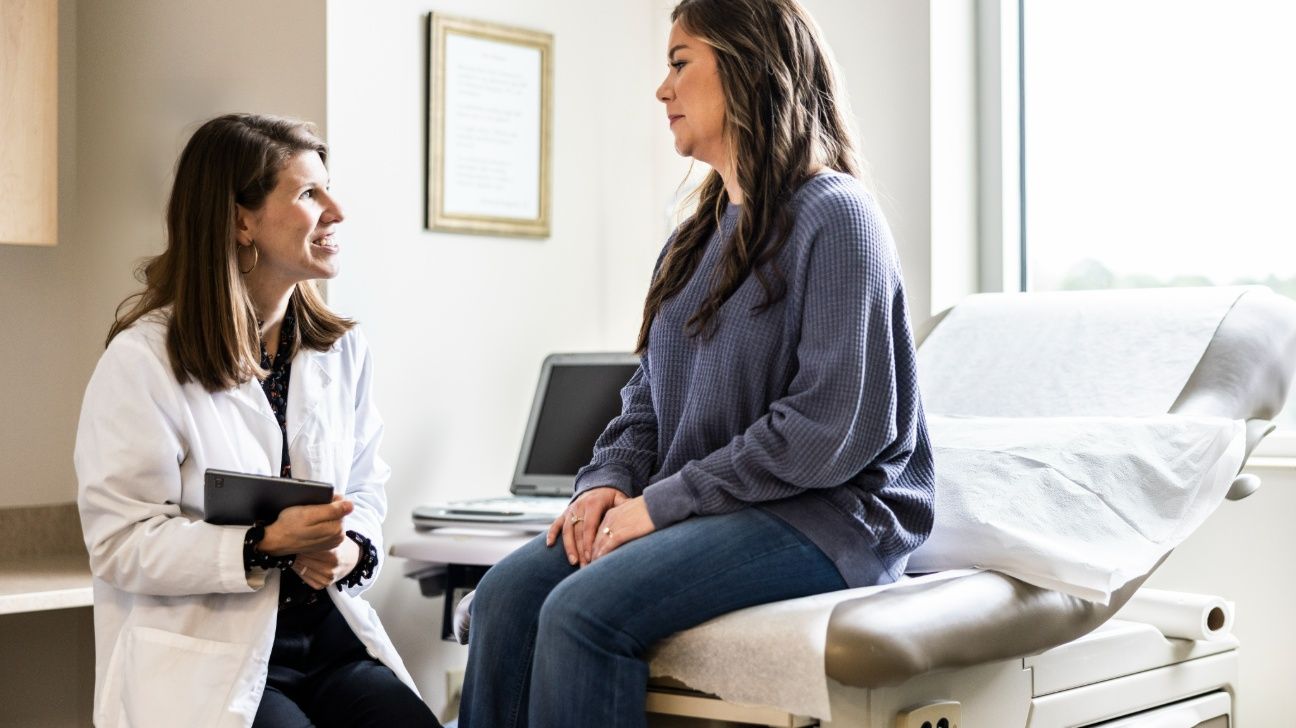
Healthcare providers play a critical role in this conversation. During routine gynecological visits, doctors should discuss screening status explicitly with young women. This normalizes the conversation and addresses misconceptions about who needs screening or what the process involves.
Young women should understand that screening does not detect cancer itself in most cases. It identifies precancerous changes, giving providers opportunities to monitor closely or treat lesions before they become dangerous. Treatment options for abnormal results range from observation to minor in-office procedures, depending on findings.
The path forward requires coordinated effort. Public health campaigns must reach young women with accurate information about screening importance. Healthcare systems need to reduce logistical barriers through flexible scheduling and alternative testing options. Insurance policies should ensure screening accessibility regardless of income level.
Women in their 20s hold their cervical cancer prevention in their own hands. One conversation with a healthcare provider starts the process. Scheduling a screening appointment takes minutes but potentially saves years of health complications. The evidence supporting cervical cancer screening is overwhelming. Young women deserve access to this lifesaving prevention strategy.