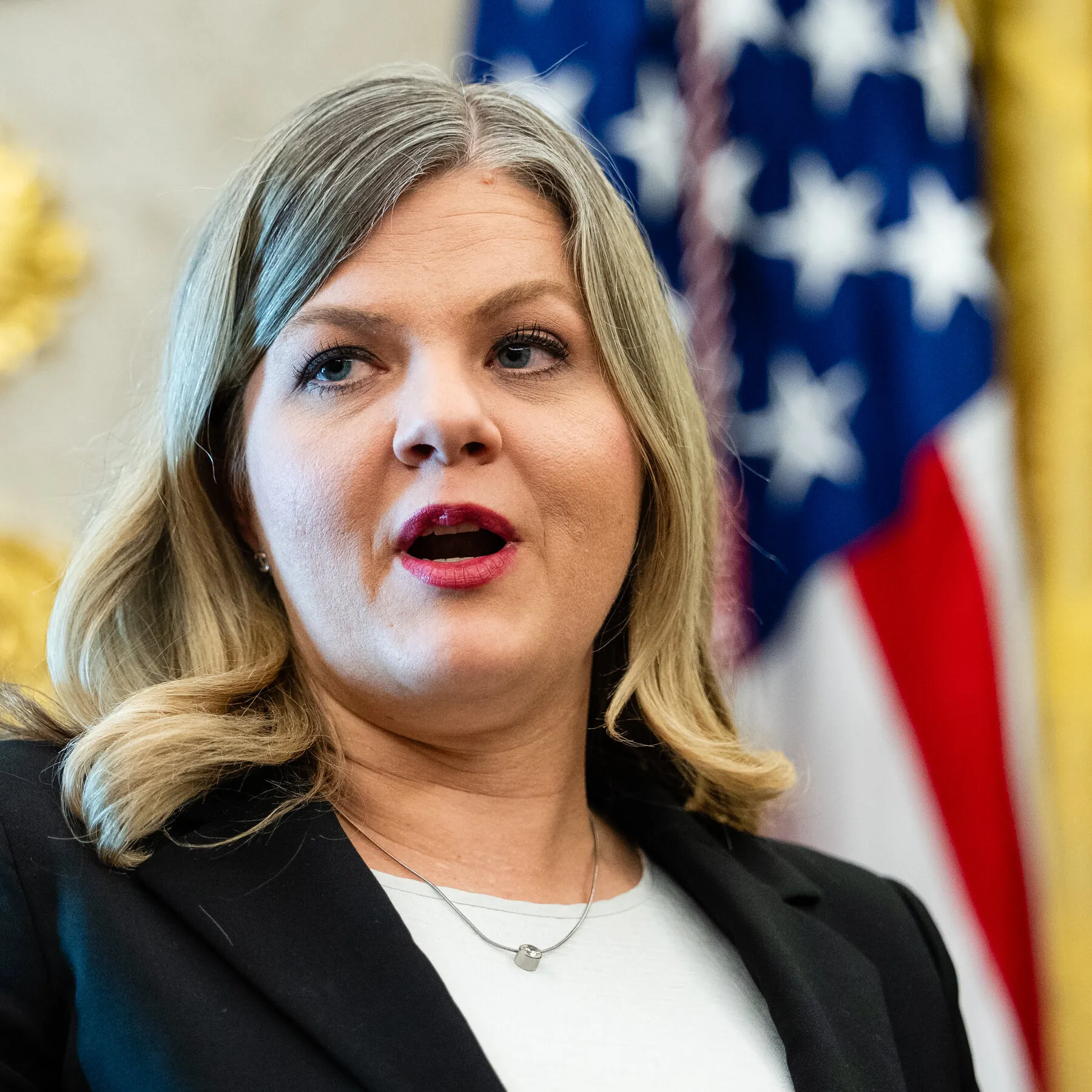
# FDA Nominee's Past Positions on Abortion Pills and Vaccines Face Senate Scrutiny
Dr. Heidi Overton's nomination as head of the Food and Drug Administration has surfaced her past statements and policy work that diverge from scientific consensus on two major public health issues: medication abortion and childhood vaccination schedules.
As reported by the New York Times Health section, Overton has publicly labeled mifepristone, the first medication in a two-drug abortion regimen, as "dangerous to women." This characterization contradicts decades of safety data. Mifepristone has been used safely in over 5 million procedures in the United States since FDA approval in 2000. The drug's safety profile led the FDA to expand access in 2023, removing requirements that patients obtain the pill in person at clinics or hospitals. Major medical organizations, including the American College of Obstetricians and Gynecologists, have affirmed mifepristone's safety when used as directed.
In her role as a White House aide, Overton worked on efforts to reduce the number of vaccines recommended for children. This position conflicts with the evidence supporting the current vaccination schedule. The CDC and American Academy of Pediatrics develop immunization recommendations based on rigorous clinical trials and ongoing safety monitoring. The vaccines in the standard schedule prevent diseases that historically caused significant childhood mortality and disability.
These stances place Overton at odds with the FDA's typical scientific approach to drug regulation. The agency relies on clinical trial data, post-market surveillance, and peer-reviewed evidence to determine whether medications are safe and effective. Her public characterization of mifepristone suggests a predetermined conclusion rather than an evidence-based assessment.
Overton's vaccination positions raise questions about her potential influence on FDA vaccine reviews and approvals. While the FDA does not directly recommend vaccines, it evaluates them for safety and efficacy before licensure. A commissioner skeptical of vaccination science could potentially slow or complicate the approval process for new vaccines or boosters.
The Senate confirmation hearing provides an opportunity for lawmakers to question Overton directly about her specific concerns with these medications and the scientific basis for her past statements. Senators will likely ask whether her personal views would influence her leadership of an agency charged with protecting public health through evidence-based decision-making.
The FDA oversees about 20 percent of all consumer spending in the United States, making the commissioner's role consequential. The agency's decisions affect whether new drugs reach patients, how medications are labeled, and what safety monitoring occurs after approval. A commissioner who questions the safety of well-established medications or vaccines could reshape how the agency evaluates medical interventions.
Overton's nomination reflects broader tensions about the role of personal beliefs versus scientific evidence in federal health agencies. Her confirmation hearing will test whether senators prioritize alignment with current scientific understanding or embrace alternative perspectives on medication safety and vaccination.