# Gen Z Is Trading Treadmills for Barbells. Here's What the Fitness Shift Means
Generation Z is reshaping the fitness landscape, moving away from endless treadmill sessions toward weightlifting and resistance training. Gyms report packed strength sections during peak hours while cardio equipment sits emptier than it did a decade ago. This generational pivot reflects a genuine shift in fitness philosophy, backed by emerging research on what actually delivers health results.
The change makes sense when you examine the science. Strength training builds muscle mass, which naturally declines with age. More muscle tissue increases resting metabolic rate, making weight management easier. Resistance exercise also improves bone density, blood sugar regulation, and cardiovascular health more efficiently than traditional steady-state cardio alone. Research published in the American Heart Association journals shows that resistance training combined with aerobic exercise produces superior outcomes compared to cardio-only approaches.
Gen Z's preference aligns with the findings of exercise physiologists who have long argued that the "run more, eat less" mentality of previous fitness generations often backfired. Excessive cardio without resistance training leaves people feeling weak and fatigued, not stronger. Young adults, many of whom grew up seeing fitness influencers demonstrate barbell work, now recognize strength training as more effective for building the body composition they want.
The cultural shift extends beyond aesthetics. Younger gym-goers appear more interested in functional fitness and building genuine capacity than pursuing a number on a scale. This reflects a maturation in fitness culture. Social media platforms like TikTok and Instagram now showcase lifting transformations, proper form tutorials, and strength progression stories. Lifters receive immediate social validation, unlike someone quietly grinding out cardio.
Gym memberships have surged, particularly in strength-focused facilities and boutique lifting studios. Planet Fitness and traditional gyms have expanded their free weight areas and added dedicated strength zones to meet demand. Equipment shortages during peak hours show just how pronounced this shift has become. Some facilities report they can barely keep dumbbells stocked.
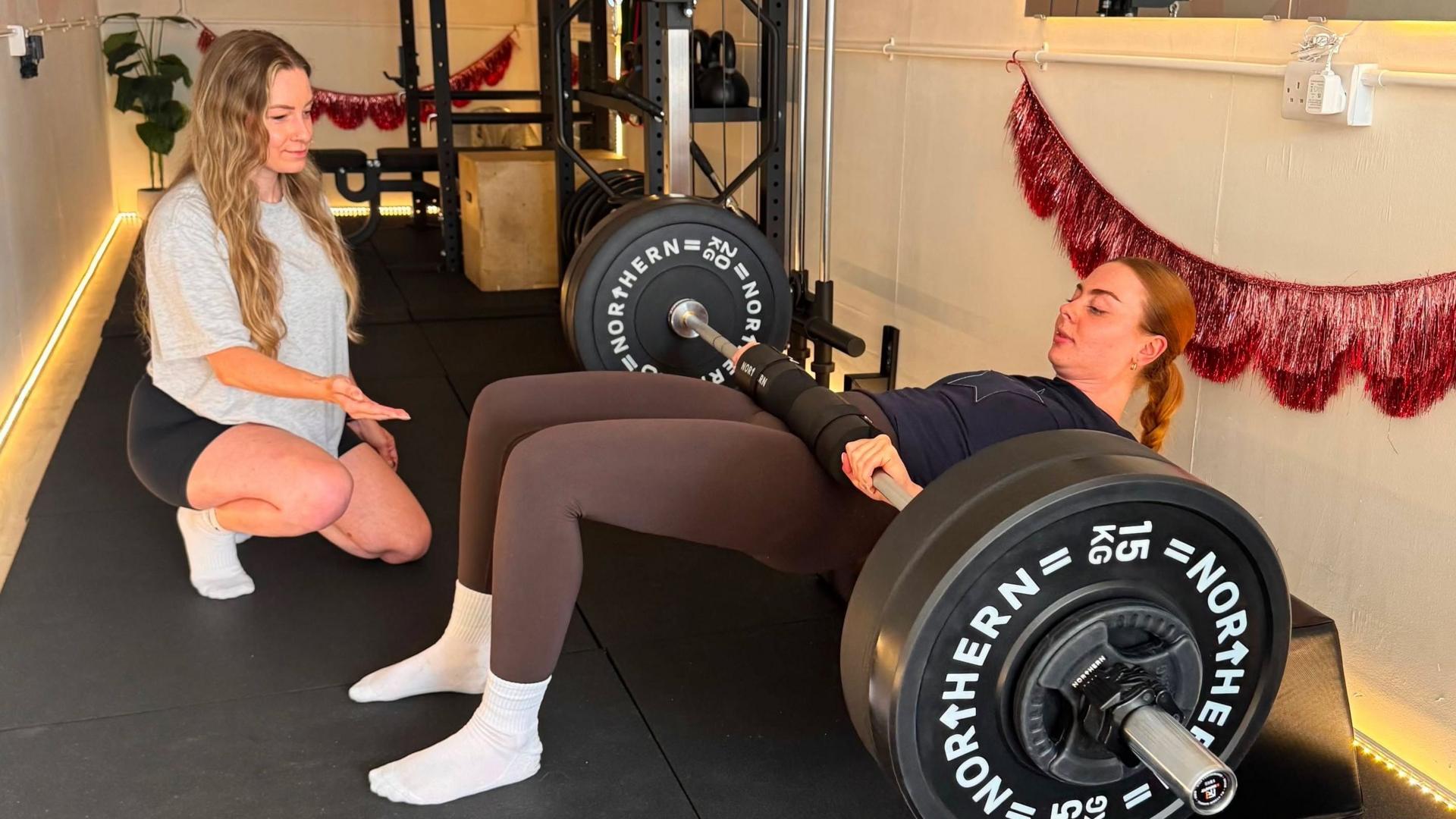
Personal trainers have adapted too. Many now emphasize progressive overload in strength training rather than calorie-burning intensity. They teach Gen Z to track lifts the way previous generations tracked running miles. This creates a completely different psychological relationship with exercise. Instead of viewing workouts as punishment for food consumed, strength training feels like genuine progress and skill development.
The shift does carry one caution. Improper form in strength training causes injury. Gen Z's enthusiasm for lifting means some young adults are pushing heavy weight without proper instruction, risking shoulder, knee, and lower back problems. Physical therapists report increased overuse injuries among younger clients who escalated training volume too quickly.
The smartest approach combines both modalities. Research consistently shows that resistance training two to three times weekly plus moderate aerobic activity produces optimal health outcomes. Gen Z is not wrong to emphasize strength. They may just need to avoid abandoning cardiovascular work entirely and to invest in proper coaching when starting a lifting program.