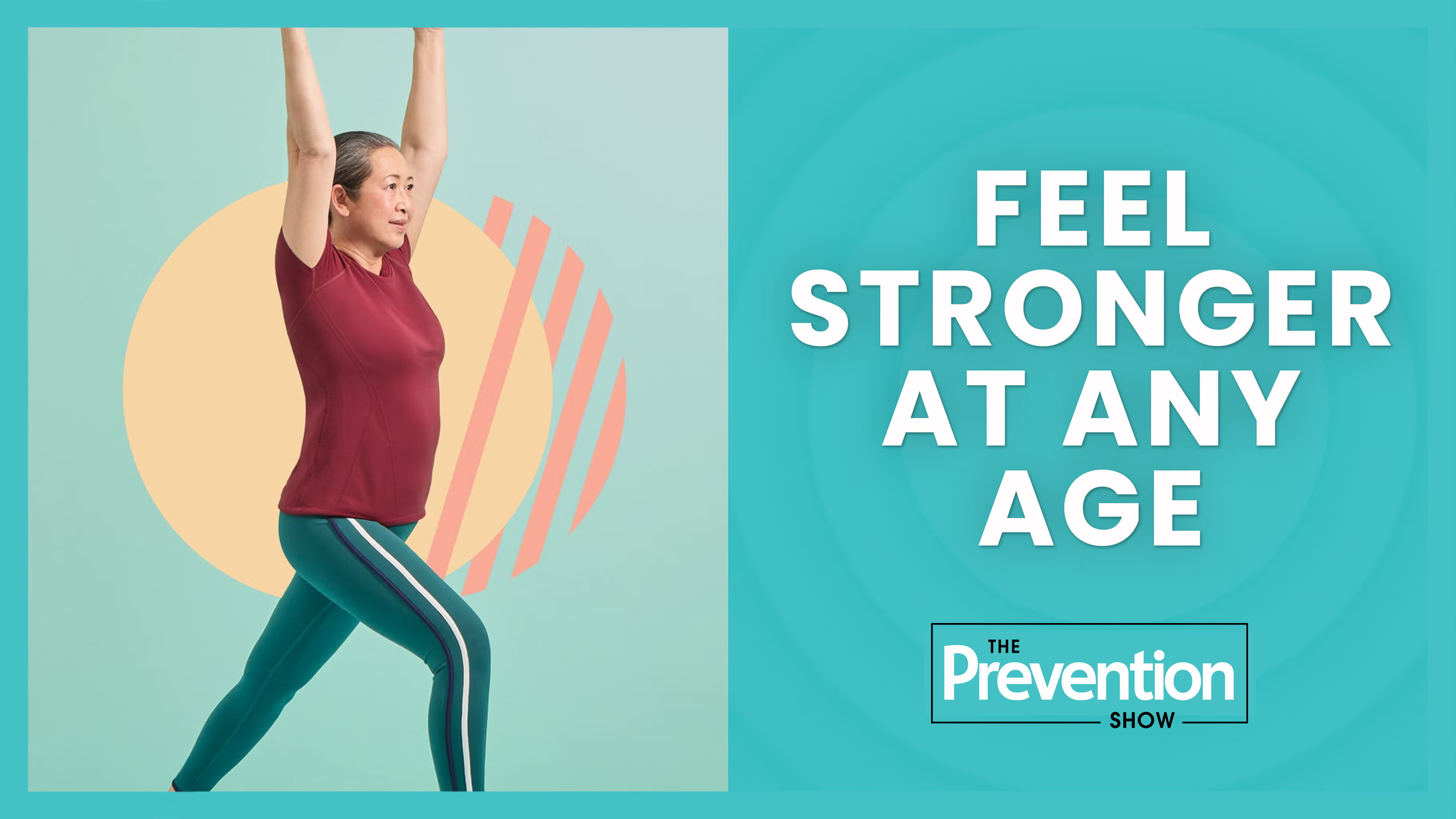
# Simple Strength Work Cuts Through Daily Pain
Pain that accompanies aging doesn't arrive from inevitable decline. Weakness and discomfort develop from inactivity, and targeted strength training reverses both. Six specific movements address the muscle groups that deteriorate first and cause the most trouble in daily life.
Preventive strength work stops pain before it starts. Unlike stretching alone, which addresses flexibility without building resilience, resistance training strengthens the tissues that support joints and spine. Research published in the Journal of Aging and Physical Activity shows that older adults who perform regular resistance work report 30 percent fewer pain complaints than sedentary peers. The benefits emerge within weeks, not months.
The six moves target areas where middle-aged and older adults experience the most dysfunction. Lower back pain, knee instability, shoulder tightness, and hip weakness stem from muscles that atrophy without use. These exercises rebuild capacity in each zone.
Squats address leg strength and hip stability. When hips weaken, the spine compensates. This creates lower back strain that radiates through daily activities like sitting, standing, and climbing stairs. Squats rebalance this relationship. Starting with bodyweight squats, progression involves holding weights or performing single-leg variations. The movement teaches the body to load the hips rather than the spine.
Push-ups build chest, shoulder, and arm strength. Weak upper body muscles force the neck into forward positioning, causing chronic tension headaches and shoulder pain. Push-ups also improve posture by strengthening muscles that oppose slouching. Wall push-ups or incline variations make this accessible for beginners.
Planks strengthen the core without requiring spinal flexion. Many people avoid crunches due to back pain, yet core weakness drives that pain. Planks engage deep abdominal muscles safely. Holding for 20 to 30 seconds, then progressively extending the duration, builds endurance without stress.
Glute bridges activate hip extensors, often called "dead" from sitting. Strong glutes stabilize the pelvis and reduce strain on lower back and knees. The movement reverses the tightness created by hours in chairs. Performing bridges with controlled tempo, holding briefly at the top, maximizes activation.
Rows counteract the forward-facing position of modern life. Sitting at desks, scrolling phones, and driving all encourage rounded shoulders. Rows retrain the back muscles. Resistance bands or light dumbbells make this movement scalable.
Deadlifts teach proper spinal mechanics during lifting. Many people bend at the spine rather than the hips, inviting injury. Deadlifts, performed with light weight or even just a broomstick, reprogram movement patterns. The body learns to hinge at hips while keeping the spine neutral.
Consistency matters more than intensity. Performing these movements two to three times weekly produces results. Rest days allow adaptation and prevent overuse. Progressive overload, adding weight or repetitions gradually, ensures continued progress without plateauing.
Starting simply prevents discouragement. Bodyweight versions of each movement work perfectly. Adding resistance comes later, after movement quality improves. Many physical therapists recommend learning proper form from a trainer before advancing.
Daily aches stem from weak muscles and poor mechanics, not from age itself. These six movements restore capacity. The pain that feels permanent often disappears within weeks of consistent training.