# Building an Effective Home Pilates Practice Without Breaking the Bank
Home pilates has become a realistic fitness option for people who lack time, money, or proximity to studios. The good news, according to instructors who design at-home routines, is that you don't need a room-filling investment to see results.
The barrier to entry matters. Many people assume pilates requires expensive equipment or dedicated square footage. That assumption keeps them from starting. But certified pilates instructors have distilled what actually works for home practitioners, and the answer involves strategic choices rather than bulk purchases.
**What Instructors Actually Recommend**
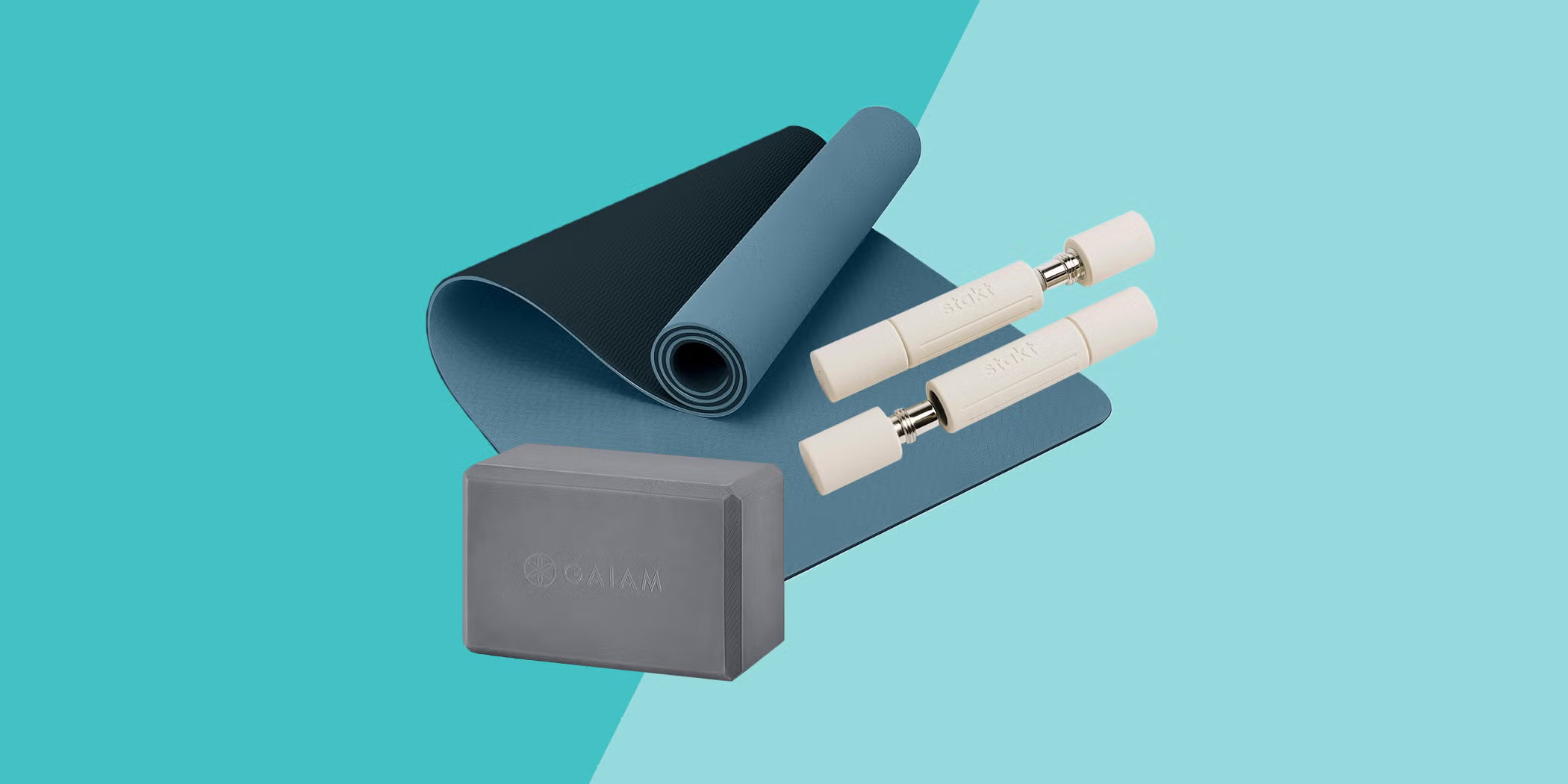
The foundation of an effective home pilates setup begins with your body weight and floor space. Pilates originated as a mat-based practice, and this remains the most accessible starting point. A quality yoga or pilates mat provides cushioning without excessive thickness, which can destabilize balance work.
Beyond the mat, instructors consistently point to a few high-value additions. Resistance bands offer variable difficulty levels, work multiple muscle groups, and take up minimal storage space. Loop bands and long resistance bands serve different purposes in a home practice.
A stability ball rounds out the essentials. It engages core muscles during traditional pilates movements and adds instability that forces your stabilizer muscles to work harder. This tool costs under $30 and stores easily.
For people ready to expand their practice, a pilates ring (also called a magic circle) provides added resistance during leg work and arm exercises. Small foam rollers aid recovery and self-myofascial release between sessions.
**The Equipment Trap**
Reformers and other large machines have their place in studios but represent unnecessary spending for most home practitioners. They consume significant space and require a learning curve. Instructors working with home clients report better adherence and results when people start simple and add only what their practice demands.
**Making It Work**
Space constraints shouldn't prevent you from beginning. A 5-by-5-foot area accommodates a full pilates workout. Natural light and access to water matter more than square footage.
Consistency beats equipment. Someone practicing three times weekly with just a mat will see better results than someone with a fully equipped room who exercises sporadically. Instructors emphasize that the most effective home setup is one you actually use.
Starting small also solves the motivation problem. Beginners often feel overwhelmed by options. A streamlined setup removes decision fatigue and makes it easier to roll out your mat and begin.
**Building Gradually**
Effective home pilates practitioners often build their collections over months or years. This approach lets you understand which tools genuinely enhance your practice rather than purchasing based on marketing hype.
Begin with a mat and your bodyweight. Add a resistance band after two to three weeks. Progress to a stability ball if core engagement feels easy. This graduated approach lets your muscles adapt and your preferences clarify.
Instructors report that home practitioners who build gradually develop stronger body awareness and more sustainable practices than those who buy everything upfront. The journey matters as much as the destination.