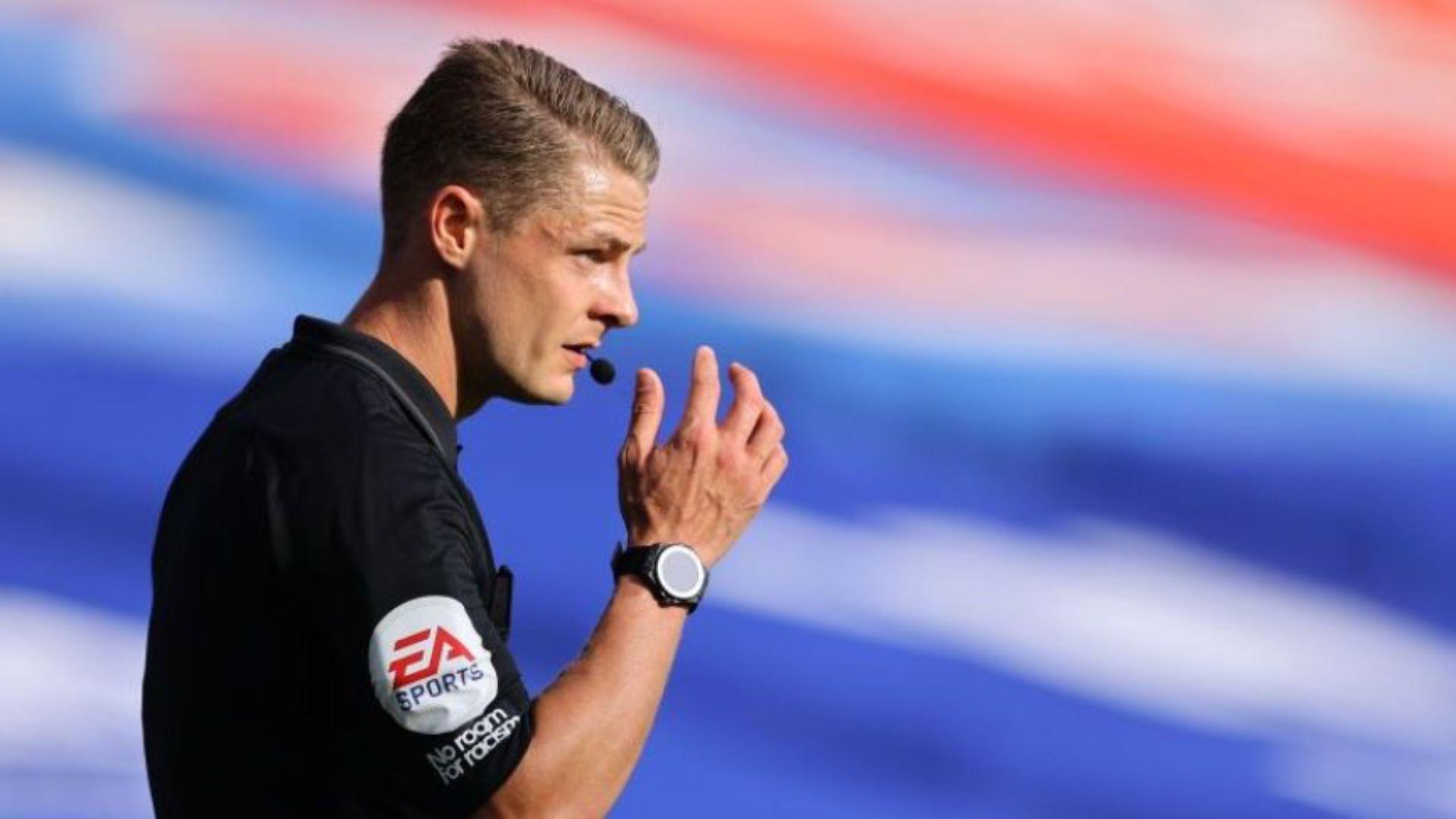
# Former FA Cup Assistant Referee Fights Back After Tumors End Career
Dan Robathan dedicated decades to football officiating. As an assistant referee for the FA Cup, one of English soccer's most prestigious competitions, Robathan worked at the highest levels of the sport. Then multiple tumors ended everything.
Robathan now faces the emotional aftermath of a career cut short by health crisis. He describes needing time to "grieve" the loss of his professional identity and the future he had planned. His experience reveals how serious illness disrupts not just physical health but psychological wellbeing, particularly for athletes and sports professionals whose identities center on their work.
Career-ending health crises carry mental health weight that extends far beyond the physical diagnosis. When someone builds their entire adult life around a specific role, sudden removal creates a void that medical treatment alone cannot fill. Robathan's struggle reflects a broader pattern documented in sports medicine research. Athletes and officials who experience forced early retirement from sports often report depression, identity loss, and difficulty adjusting to life without their defining work.
The grief Robathan describes mirrors what psychologists call "role loss." This goes beyond unemployment. For sports professionals, the role encompasses community status, daily purpose, physical challenge, and often financial security. Losing it simultaneously triggers multiple forms of loss that require therapeutic attention. Mental health support for athletes facing forced retirement remains underfunded in most sports organizations, leaving individuals like Robathan to navigate this transition with minimal professional guidance.
Robathan's public acknowledgment of his grief serves another function. He normalizes the emotional toll of medical crises. Too often, people facing serious illness focus exclusively on physical recovery while suppressing the psychological impact. Robathan's willingness to name grief as a legitimate response validates similar experiences in others confronting unexpected health disruptions.
The FA Cup assistant referee situation also highlights disparities in medical support across sports sectors. While elite athletes sometimes access comprehensive sports medicine teams and mental health professionals, officials and support staff often lack equivalent resources. Robathan's career ended due to medical necessity, but the structural support available to him during this transition remains unclear.
Moving forward, Robathan faces the challenge many confront after serious illness. Recovery involves more than physical healing. It requires psychological adjustment, identity reconstruction, and finding new sources of meaning and purpose. This process typically takes longer than patients and their families expect. Grief, as Robathan names it, follows its own timeline.
His story underscores why healthcare systems and sports organizations must invest in mental health support alongside medical treatment. When serious illness forces career transition, individuals need counseling, peer support networks, and time to process loss. Robathan's experience demonstrates that even accomplished professionals at the top of their field face psychological vulnerability when health crisis disrupts their working life.