# CDC Leadership Changes Create Staffing Crisis, Threatening Disease Surveillance and Research
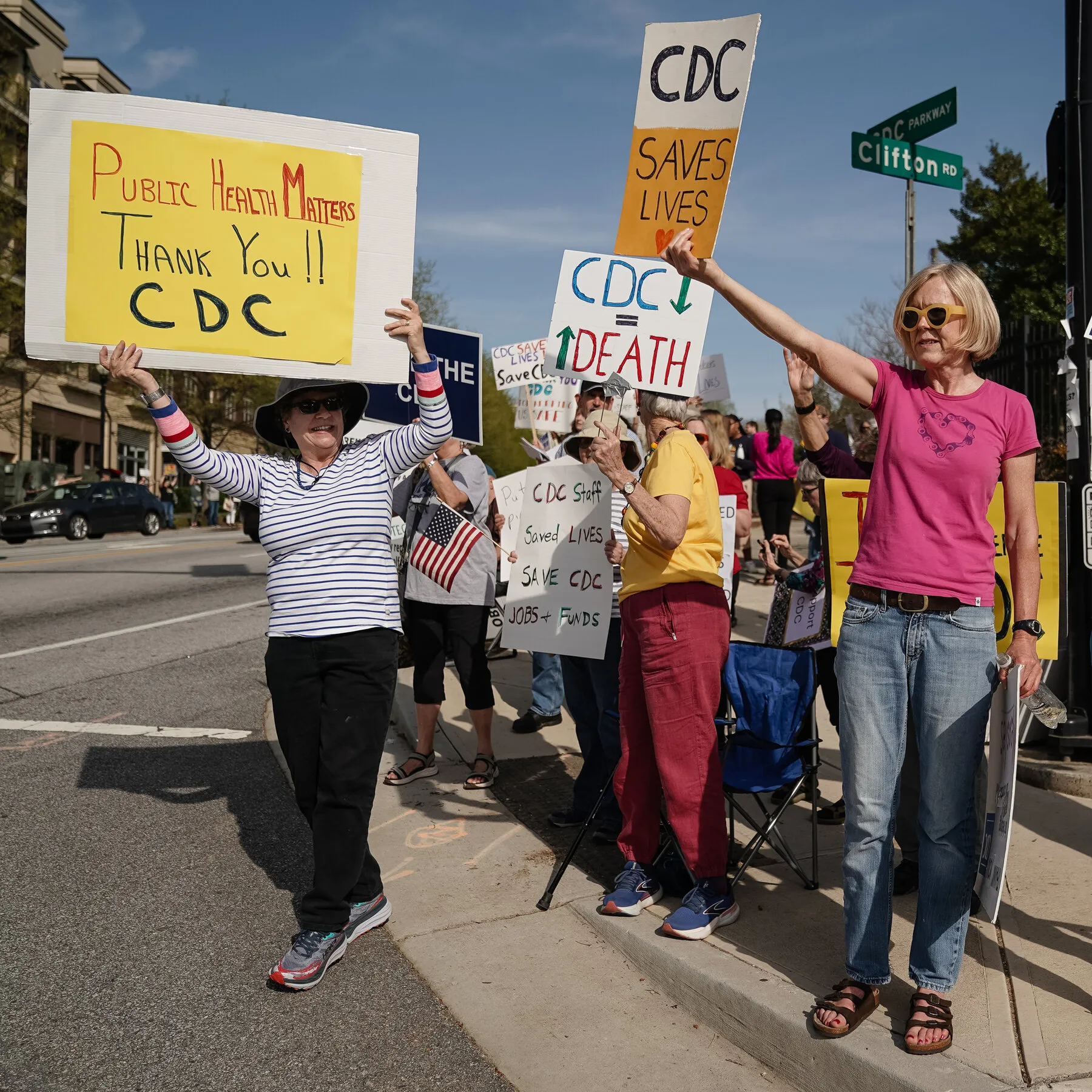
The Centers for Disease Control and Prevention faces severe operational disruptions after losing nearly a third of its workforce and experiencing organizational restructuring under new leadership, according to reporting from the New York Times Health section. The agency's capacity to conduct independent scientific research, track disease outbreaks, and respond to public health emergencies has deteriorated significantly.
Health Secretary Robert F. Kennedy Jr. and his associates have implemented changes that reduced the CDC's autonomy in decision-making and research direction. The staff reductions represent one of the most substantial workforce contractions in the agency's modern history. CDC employees and former officials describe the organization as struggling to fulfill its core mission of disease surveillance, epidemiological research, and outbreak response.
The cuts affect multiple divisions within the agency. Disease surveillance teams that monitor patterns of illness across the United States operate with fewer investigators. Laboratory capacity has contracted. Research initiatives have stalled or been discontinued. Staff members report delays in data analysis, slower outbreak response times, and reduced capacity for long-term disease tracking projects.
Scientists within the agency expressed concern about the loss of institutional knowledge. Senior researchers and epidemiologists who spent decades building expertise in specific disease areas departed as positions were eliminated or restructured. This brain drain threatens continuity in understanding chronic disease patterns, infectious disease trends, and emerging health threats.
The CDC's independence in scientific matters has been constrained. Career scientists report increased pressure to align research conclusions with political priorities rather than follow where data leads. This shift contradicts the evidence-based approach that established the CDC's reputation for rigorous public health guidance.
Public health experts outside the agency raised alarms about pandemic preparedness. The United States relies on CDC surveillance systems to detect novel pathogens before they spread widely. Reduced staffing compromises the agency's ability to identify emerging threats early. Similarly, investigations into disease outbreaks take longer with fewer epidemiologists available to conduct field investigations and analyze data.
State and local health departments depend on CDC resources, training, and technical support. Budget cuts and reduced staffing trickle down to regional health systems that lack resources to independently conduct sophisticated disease surveillance or manage complex outbreaks.
The restructuring reflects broader shifts in how federal health agencies operate under current leadership. Kennedy's appointment introduced personnel with skepticism toward conventional public health approaches. Organizational changes removed experienced administrators and scientists who historically insulated the agency from political influence.
Former CDC directors and public health officials called the changes damaging to the agency's capacity. The CDC took decades to build its surveillance infrastructure, laboratory capabilities, and scientific credibility. These assets cannot be quickly restored once dismantled.
The workforce reductions and autonomy constraints create operational challenges extending beyond the immediate staffing crisis. Disease surveillance systems built on historical data require consistent personnel to maintain. Research momentum in specific fields halts when teams dissolve. Training programs for public health professionals shrink.
Whether the CDC can restore its scientific independence and rebuild its workforce remains uncertain. The organizational changes appear designed to be durable rather than temporary, suggesting the restructuring reflects strategic priorities rather than budget necessity.