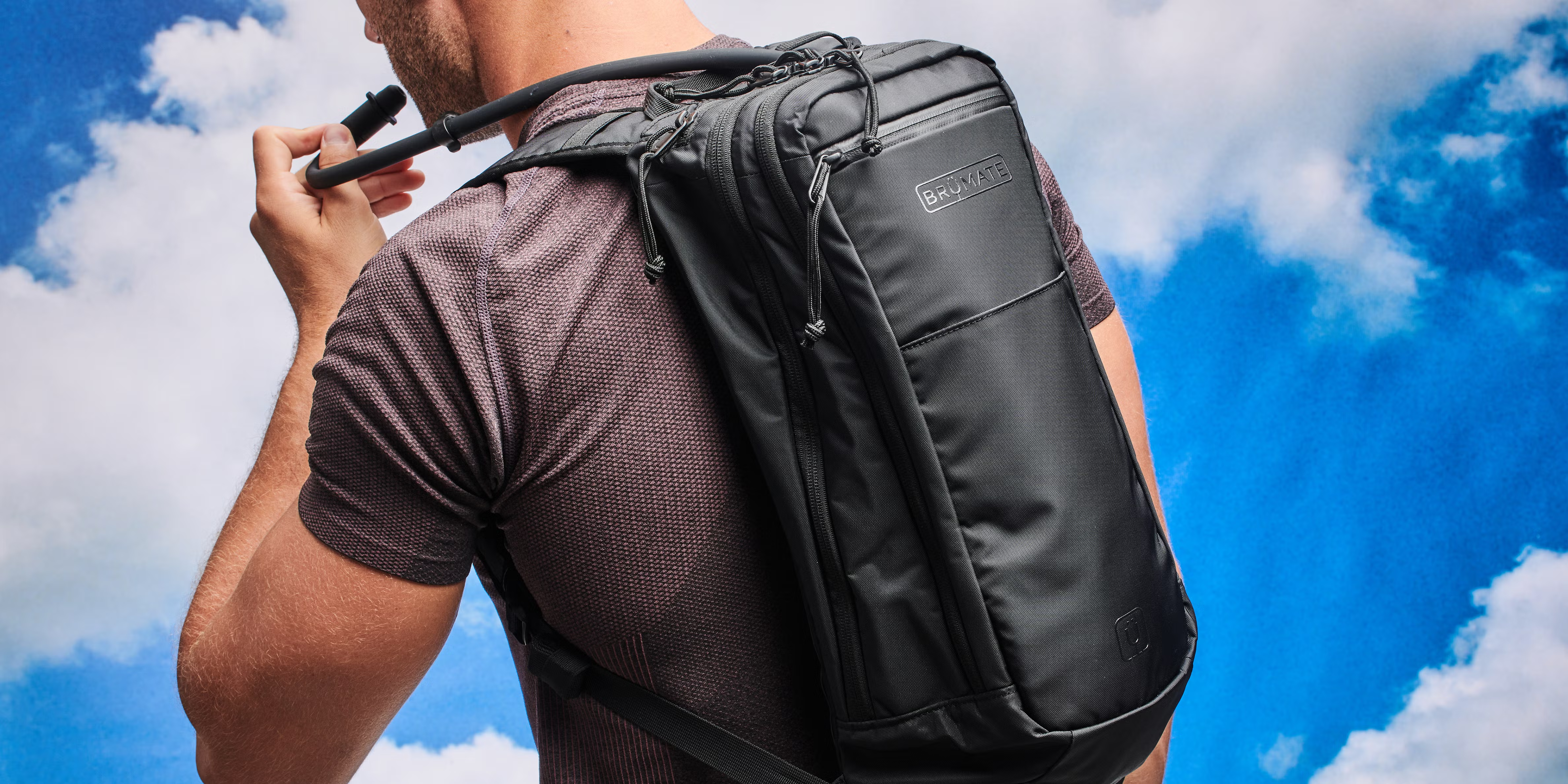
# Hydration Packs Keep Serious Endurance Athletes On Track
Dehydration during long-distance running, cycling, and hiking sabotages performance and safety. Carrying water in your hands grows uncomfortable fast. Hydration packs solve this problem by distributing weight across your back and freeing both arms for balance and natural movement.
The science behind hydration during endurance exercise is straightforward. The American College of Sports Medicine recommends drinking 400-800 milliliters of fluid every hour during sustained aerobic activity lasting longer than 60 minutes. Waiting until you're thirsty means you're already dehydrated. Thirst lags behind actual fluid loss by 15-20 minutes, according to research from the Journal of Athletic Training.
When you sweat, your body loses not just water but electrolytes, primarily sodium. Pure water alone doesn't replace these losses efficiently. The best hydration packs accommodate sports drinks containing carbohydrates and electrolytes, which enhance absorption and maintain blood glucose levels. A study in Medicine and Science in Sports and Exercise found that cyclists who consumed electrolyte drinks maintained power output better than those drinking plain water.
Hydration packs offer practical advantages over handheld bottles. The hands-free design prevents fatigue in your shoulders, wrists, and grip. During trail running, this freedom helps you maintain balance on technical terrain. Cyclists benefit from keeping both hands available for steering and braking. Long-distance hikers avoid the repetitive strain injury that comes from gripping bottles mile after mile.
Capacity matters. Most quality packs hold 2-3 liters, enough for a three-hour run or a moderate day hike without resupply. Weight distribution affects comfort. Packs designed for runners keep loads light (under 2 pounds when full) and position weight low on your back to minimize bounce. Cycling-specific packs sit higher and tighter to avoid interference with pedaling.
Insulation also matters. Standard packs expose water to direct sunlight, warming it to uncomfortable temperatures within hours. Insulated sleeves maintain cooler temperatures, making you more likely to drink regularly since cold water tastes better and signals hydration readiness to your brain.
Proper use maximizes benefits. Drink on a schedule, not just when thirsty. During runs or hikes, aim for 200-300 milliliters every 20-30 minutes. For cycling, increase to 400-500 milliliters every 20-25 minutes depending on intensity and heat. Fill your pack with a sports drink containing 6-8% carbohydrates and 300-600 milligrams of sodium per liter.
Choose packs with accessible drinking tubes. Your drink system should allow sips without stopping or removing your pack. Quality valves prevent leaks and don't require squeezing hard. Some models include insulated tubes that keep beverages cooler for longer.
For activities exceeding four hours, plan resupply stops even with a full pack. No pack carries enough fluid for ultra-endurance events. Knowing where water sources exist prevents arriving at aid stations already dangerously dehydrated.
Whether you're training for a marathon, logging serious mountain bike miles, or tackling multi-hour trail adventures, hydration packs remove one variable from your equation. You can focus entirely on effort and technique knowing your fluids stay accessible, cool, and ready when your body needs them.