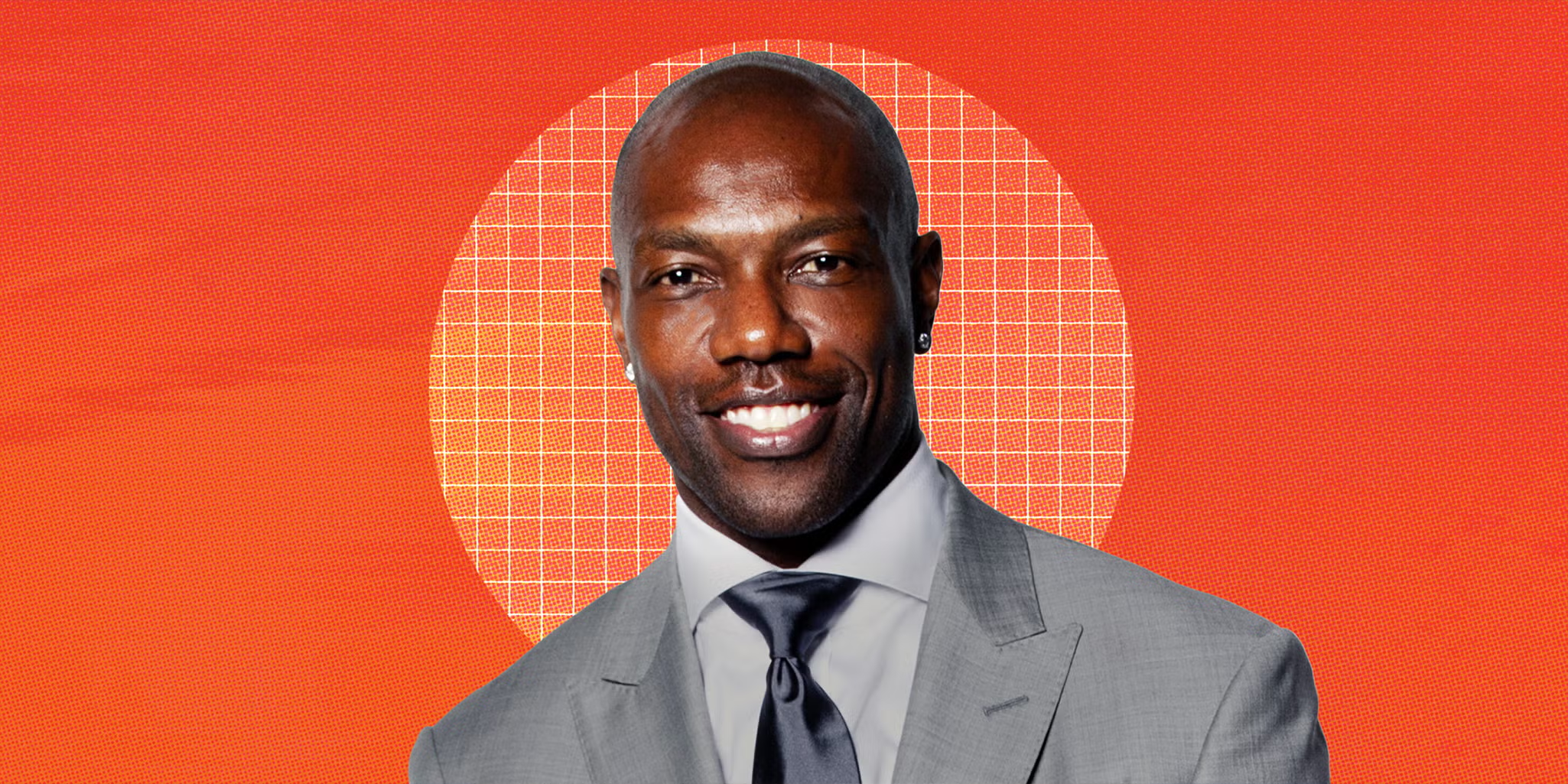
# Terrell Owens Opens Up About How Dementia Has Impacted His Family
Hall of Fame wide receiver Terrell Owens recently spoke publicly about dementia's devastating effect on his family, bringing attention to a condition that affects nearly 6 million Americans and often remains shrouded in stigma and silence among families dealing with cognitive decline.
Owens' decision to share his personal experience highlights something neurologists and gerontologists have long emphasized. Dementia doesn't just affect the person diagnosed. It reshapes family dynamics, emotional health, and daily routines for everyone around them. The isolation many families experience when a loved one receives a dementia diagnosis often compounds the psychological toll, making public conversations like Owens' particularly valuable for normalizing what millions face behind closed doors.
Dr. Richard Isaacson, director of the Alzheimer's Prevention Clinic at Weill Cornell Medicine, and other leading neurologists have identified three evidence-based strategies for protecting brain health before memory loss appears. These approaches don't guarantee dementia prevention, but research shows they meaningfully reduce risk.
The first pillar is cardiovascular exercise. Studies consistently demonstrate that aerobic activity increases blood flow to the brain and promotes the growth of new neural connections. The research points to at least 150 minutes of moderate-intensity exercise weekly, though even smaller amounts deliver cognitive benefits.
The second involves cognitive engagement. Mental stimulation through learning new skills, reading, puzzles, or social interaction activates multiple brain regions and builds cognitive reserve, a neurological buffer against age-related decline. Dr. Yaakov Stern's work at Columbia University shows that people with more cognitive reserve experience slower cognitive decline even when brain changes accumulate.
The third factor centers on sleep quality and duration. During sleep, the brain's glymphatic system clears toxic proteins, including amyloid-beta and tau, which accumulate in Alzheimer's disease. Poor sleep accelerates this accumulation. Consistently getting 7 to 9 hours nightly supports this crucial cellular cleanup process.
Beyond these three, a Mediterranean-style diet rich in fish, olive oil, vegetables, and nuts appears protective. Social connection also matters profoundly. Loneliness correlates with faster cognitive decline, while strong social relationships demonstrate protective effects comparable to physical exercise in some studies.
For families already navigating dementia, early diagnosis and professional support systems become essential. Access to specialists, caregiver resources, and support groups can substantially reduce burden and improve quality of life for both patients and loved ones. Organizations like the Alzheimer's Association provide practical guidance for family members adjusting to behavioral changes and care demands.
Owens' willingness to discuss his family's experience serves another purpose. It opens conversation about the intersection of dementia and athletics, given research exploring possible links between repeated head trauma in professional sports and neurodegenerative diseases, though causation remains complex and contested. His voice amplifies calls for better early detection methods and preventive care strategies that remain underfunded relative to the disease's impact.
The conversation matters now because demographic shifts mean more people will face dementia in coming decades. Simultaneously, our understanding of prevention opportunities has never been richer. Combining lifestyle interventions with regular cognitive screening for those at risk offers families concrete steps toward brain health, even as science continues searching for treatments that might reverse damage already done.