# Smart Shopping for Health Care Savings: What Flexible Spending Accounts Actually Cover
Flexible Spending Accounts (FSAs) offer a tax advantage many people overlook as the calendar year winds down. Employees with FSA coverage can set aside pre-tax dollars for qualified medical expenses, reducing their taxable income while building a health care fund. The catch: most FSAs operate on a use-it-or-lose-it basis, meaning unspent balances disappear after December 31 (though some plans now offer limited carryover options).
Prevention's health editors compiled a curated list of 34 FSA-eligible items to help readers maximize this benefit before the deadline. The selection spans practical necessities and wellness products that many people already buy out of pocket, representing genuine savings opportunities.
The list prioritizes flu season preparation as cold and respiratory illness season peaks. FSA-eligible items in this category include thermometers, pain relievers, decongestants, and throat lozenges. These purchases shift from discretionary to pre-tax expenses, stretching health care dollars further during months when illness runs rampant.
Skincare products qualify for FSA reimbursement when they treat specific medical conditions. The IRS permits FSA coverage for acne treatments, eczema remedies, and products addressing dermatological concerns. Prescription-strength or medically necessary topicals fall clearly into eligible territory, though some over-the-counter options require a doctor's letter of medical necessity to qualify. This distinction matters for budget planning.
Massage guns and recovery devices represent a growing FSA category. These tools serve therapeutic purposes for muscle soreness, tension relief, and post-exercise recovery. When used for pain management or physical therapy purposes rather than pure luxury, they meet FSA requirements. The same applies to compression sleeves, foam rollers, and similar wellness devices.
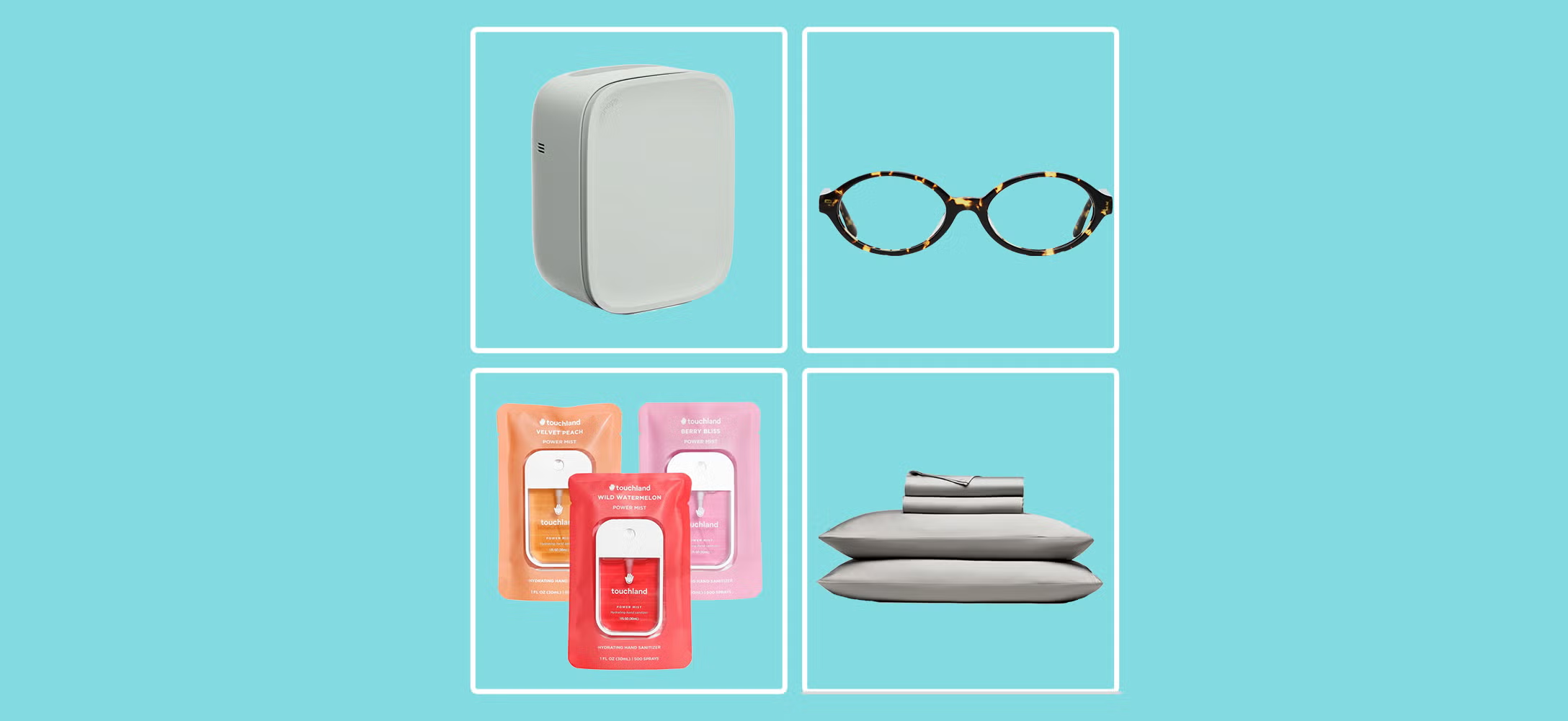
Bedding and sleep products occupy an unexpected but legitimate FSA space. High-quality mattresses, pillows, and weighted blankets qualify as medical equipment when purchased to address sleep disorders or chronic pain conditions. Documentation from a healthcare provider strengthens these claims, particularly for premium options.
Beyond these categories, eligible items include first-aid supplies, pain management tools, blood pressure monitors, fitness trackers with health monitoring features, and prescription eyewear. Orthodontic care, dental treatments, and hearing aids also qualify. Mental health support including therapy sessions and psychiatric care expenses can be FSA-covered as well.
The strategic advantage involves timing and categorization. Buying items you need anyway through FSA funds produces immediate tax savings. The effective discount depends on individual tax brackets, but ranges from 20-37 percent for most workers. Someone in the 24 percent tax bracket saves $0.24 on every dollar spent through their FSA on eligible items.
However, navigating eligibility requires attention. The IRS distinguishes between items that are "general health" (ineligible) and items treating specific medical conditions (eligible). Hand sanitizer, vitamins, and supplements generally don't qualify unless addressing a diagnosed deficiency. Cosmetic products fail to qualify, though medically necessary ones sometimes do.
Reviewing your FSA plan documents matters because individual plans vary in coverage. Some restrict certain categories more strictly than others. Contacting your plan administrator or using the FSA provider's eligibility checker prevents wasted purchases.
Workers considering FSA participation for next year should evaluate their anticipated health expenses. FSAs work best for people with predictable medical costs who won't face hardship from losing unused balances. For others, Health Savings Accounts (HSAs) offer more flexibility and better carryover policies.