# Finding the Right Hoodie: What Matters Beyond the Brand
The search for a reliable hoodie involves more than brand recognition. Style editors and wardrobe experts evaluate performance across several dimensions that affect both comfort and longevity.
Men's Health recently tested hoodies from multiple manufacturers, including Alo and Champion, to identify which options deliver genuine value. The evaluation process considered fabric quality, durability, fit consistency, and real-world performance across different conditions.
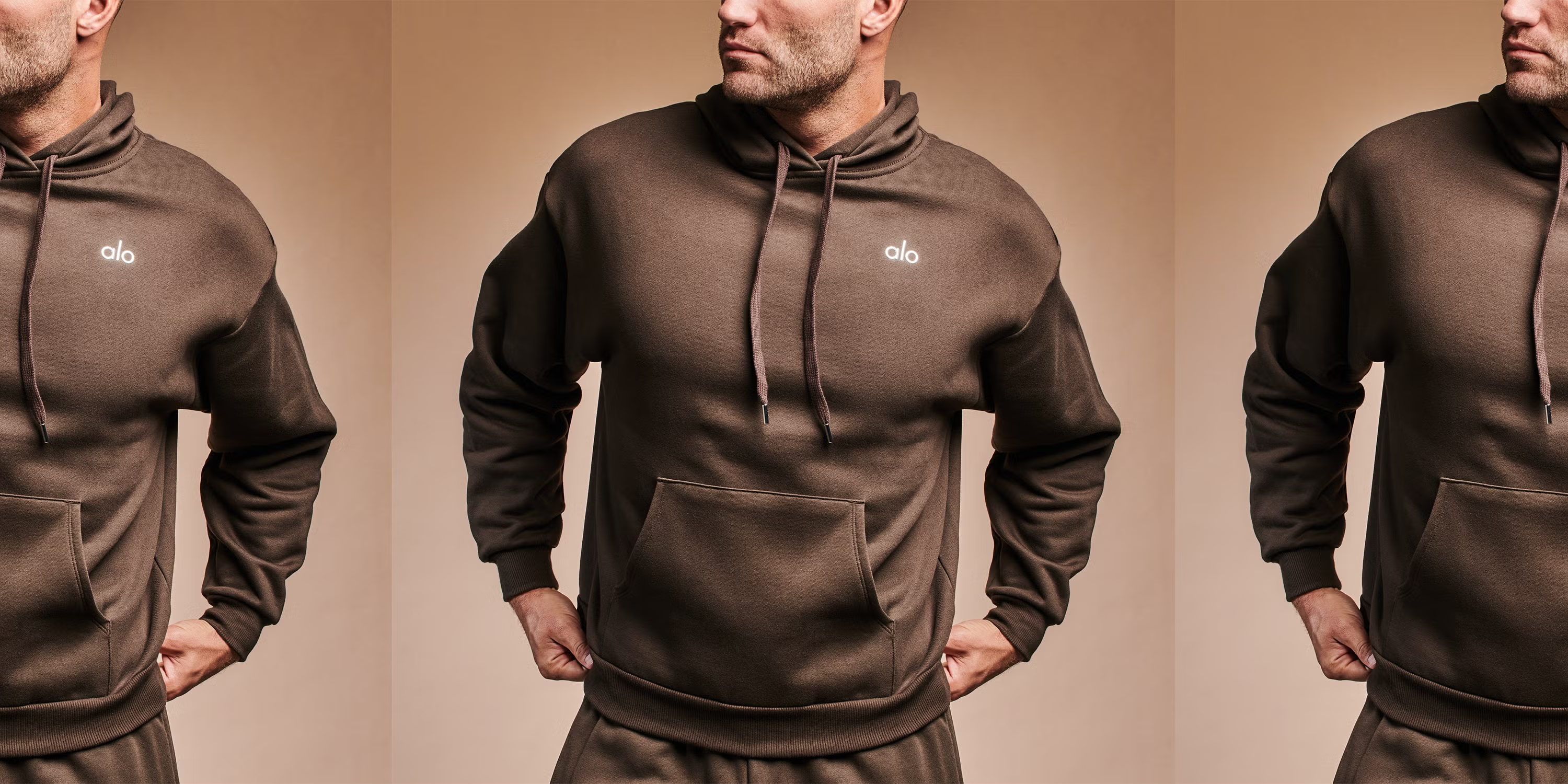
Alo hoodies typically emphasize premium fabric construction and form-fitting silhouettes. The brand focuses on technical materials designed to manage moisture and temperature regulation. These hoodies work well for layering during workouts or casual wear when a streamlined aesthetic matters.
Champion hoodies represent a different approach. The brand prioritizes classic construction and accessibility. Champion's heritage in athletic wear translates to reinforced seams and substantial fabric weight that withstand regular washing and extended wear. The looser fit appeals to those seeking comfort-first design.
The testing methodology mattered here. Editors didn't simply evaluate initial feel or appearance. They assessed how hoodies performed after multiple wash cycles, how well colors held, and whether sizing remained consistent. They also examined the weight of fabric, examining whether thicker construction justified higher prices or whether lighter materials served specific purposes better.
Fabric composition emerged as central to performance. Hoodies blending cotton with synthetic fibers often delivered better wrinkle resistance and shape retention than pure cotton options. The percentage breakdown between materials shaped how each hoodie responded to humidity, static cling, and shrinkage risk.
Construction details revealed important distinctions between brands. Reinforced neck ribbing prevented stretching after repeated pulls over the head. Double-stitched seams held better than single-stitched alternatives during heavy use. Tagless labels reduced irritation during extended wear, a small feature with meaningful impact for some wearers.
Price didn't always correlate with performance. Some mid-range options outperformed more expensive alternatives when evaluated across durability markers. Conversely, premium pricing sometimes reflected genuine improvements in fabric sourcing or construction precision rather than marketing alone.
Fit consistency across sizes varied between brands. Some manufacturers maintained proportional sizing that worked equally well for different body types. Others featured sizing that skewed toward specific builds, requiring trial before purchase.
The testing process also considered practical details like pocket depth, hood construction, and drawstring quality. Shallow pockets limited functionality. Hood designs ranged from minimal coverage to substantial construction that blocked wind effectively. Drawstring materials varied from basic cotton to reinforced synthetic blends that resisted fraying.
Editors tested hoodies through actual wearing rather than laboratory conditions alone. This revealed how fabrics performed during workouts, casual outings, and layering scenarios. Real-world testing exposed issues that static evaluation might miss.
Color retention testing involved multiple wash cycles at different temperatures. Some hoodies faded noticeably while others maintained their original appearance. Fade patterns sometimes appeared uneven, creating an aged look that wasn't intentional.
The takeaway from this evaluation emphasizes examining specific construction features rather than relying on brand reputation alone. Alo and Champion each excel in different contexts. Alo works well for those prioritizing fit and technical performance. Champion serves those seeking durability and traditional comfort at accessible pricing. The best choice depends on personal priorities around fit, intended use, budget, and how much fabric maintenance you're willing to undertake.