# Government Pledges to Reform Pension Triple Lock by 2030 as Part of Care System Overhaul
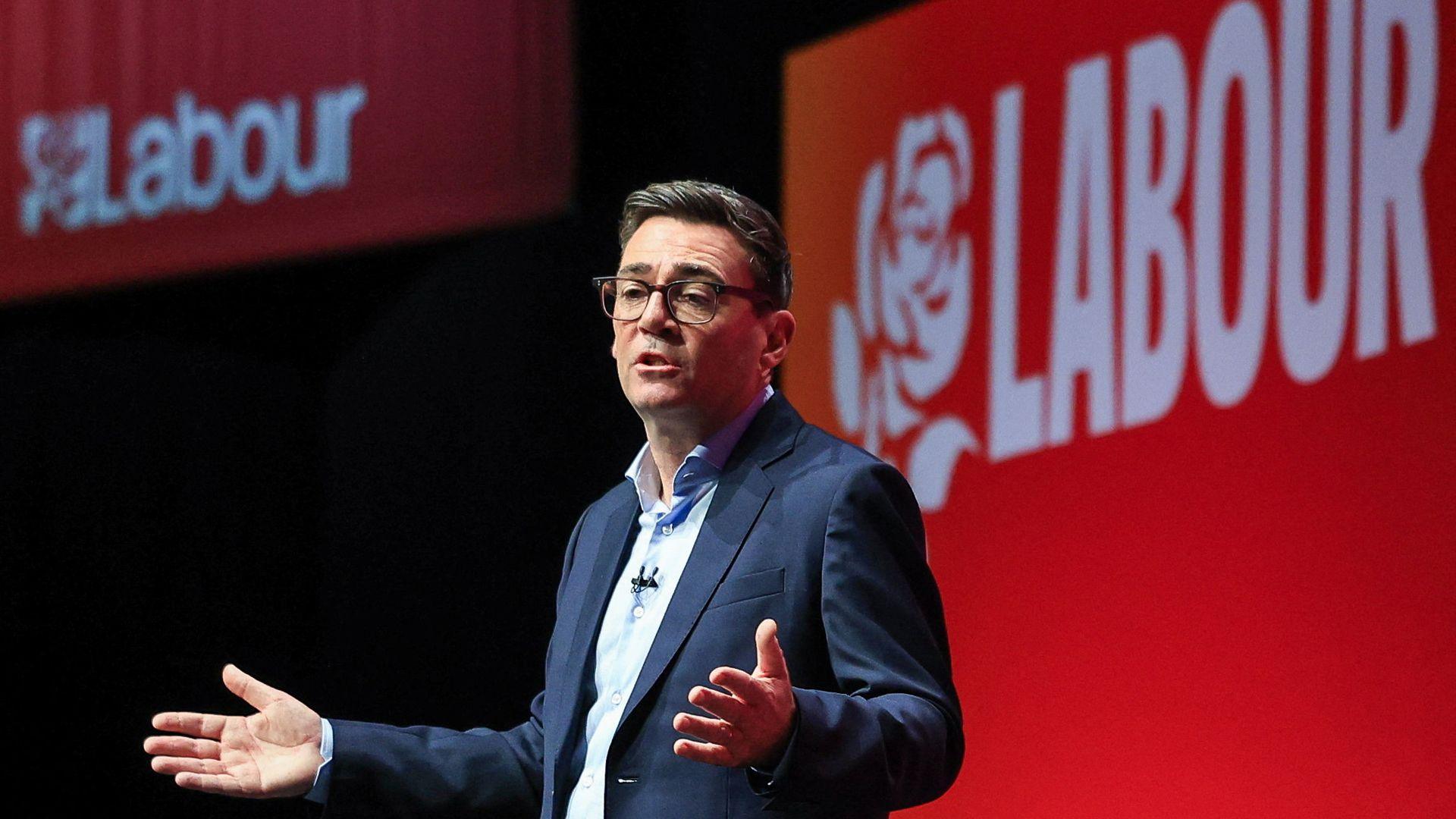
Prime Minister Keir Starmer outlined an ambitious restructuring of the UK's social care funding model during his party conference speech, announcing plans to end the existing pension triple lock mechanism by 2030. The announcement came as part of a broader long-term strategy to address mounting pressures on the nation's health and social care systems.
The triple lock, currently a cornerstone of UK pension policy, guarantees that state pensions rise annually by whichever is highest among three measures: inflation, average wage growth, or 2.5%. This mechanism has protected older adults' purchasing power since 2010, but government officials argue that maintaining it indefinitely places unsustainable strain on public finances needed for care services.
Starmer's speech emphasized the interconnection between pension policy and care funding. As the UK's population ages, demand for social care intensifies. The National Health Service already faces significant pressures, with waiting lists and staffing shortages affecting service delivery across the country. By reallocating resources currently committed to the triple lock, policymakers hope to redirect funds toward home care, residential facilities, and community support services that directly serve older adults and vulnerable populations.
The government's position reflects growing consensus among health economists that current funding structures cannot sustain simultaneously high pension guarantees and comprehensive care coverage. The Institute for Fiscal Studies and other research organizations have highlighted demographic trends showing that by 2030, the proportion of adults aged 65 and over will increase substantially, straining both pension budgets and care capacity.
Ending the triple lock represents a complex policy shift with competing implications for pensioners. While the move frees resources for care services that many older adults eventually require, it also reduces guaranteed income growth for current and future retirees. The government has not yet specified whether alternative protections will replace the triple lock or how the transition will affect those already receiving pensions.
The 2030 timeline offers a five-year runway for implementation and public adjustment. This delay allows current pensioners continued protection under the existing mechanism while giving policymakers time to develop replacement frameworks. The government has indicated that detailed proposals regarding alternative pension protections will emerge through subsequent consultations with pensioner groups, unions, and health organizations.
Experts in aging policy note that this reform sits within broader international trends. Other developed nations facing similar demographic pressures, including Australia and parts of Europe, have undertaken comparable pension restructuring to fund expanded care services. The effectiveness of such reforms depends heavily on implementation details and how replacement systems balance income security with care capacity.
The timing of this announcement reflects political recognition that social care challenges require immediate attention. Hospital discharge delays, caregiver shortages, and unmet care needs have emerged as prominent issues affecting both older adults' health outcomes and overall NHS performance. By linking pension reform directly to care improvement, the government frames a trade-off between two benefits that many voters value highly.
Implementation success will depend on whether reallocated resources actually translate into improved care access and quality, rather than simply reducing pension obligations while leaving care systems underfunded. Stakeholder responses from pensioner organizations and care sector representatives will shape how this policy evolves before the 2030 implementation date.