# Collagen Skincare: What Science Actually Shows About This Popular Ingredient
Collagen dominates skincare conversations, but the reality behind the hype differs significantly from marketing claims. The protein exists naturally in skin, where it provides structure and elasticity. As people age, collagen production declines by roughly one percent per year after age 30, contributing to wrinkles and sagging. This biological fact drives the multi-billion dollar collagen skincare market. Understanding what actually works matters before spending money on products.
Topical collagen applications face a fundamental obstacle. Collagen molecules are too large to penetrate the skin barrier effectively. When applied directly to skin, collagen primarily sits on the surface, providing hydration through occlusion rather than rebuilding underlying collagen stores. This doesn't mean topical collagen products lack value. They often deliver moisture and can improve skin texture temporarily. They simply don't rebuild collagen the way marketing suggests.
Collagen peptides taken orally present a different story. These hydrolyzed forms break collagen into smaller amino acid chains the body can absorb. Research published in the Journal of Cosmetic Dermatology found that participants taking collagen peptides showed improvements in skin elasticity and hydration after eight weeks. A 2019 study in Nutrients examined women aged 40 to 60 who consumed collagen peptides daily. Those taking the supplement showed measurable increases in skin hydration and reduced appearance of wrinkles compared to placebo groups.
The mechanism involves ingested collagen peptides providing amino acids like glycine, proline, and hydroxyproline that support the body's own collagen synthesis. The digestive system breaks these peptides into individual amino acids, which the body can then use to construct new collagen. This process takes time and consistency. Results typically emerge after four to twelve weeks of daily supplementation.
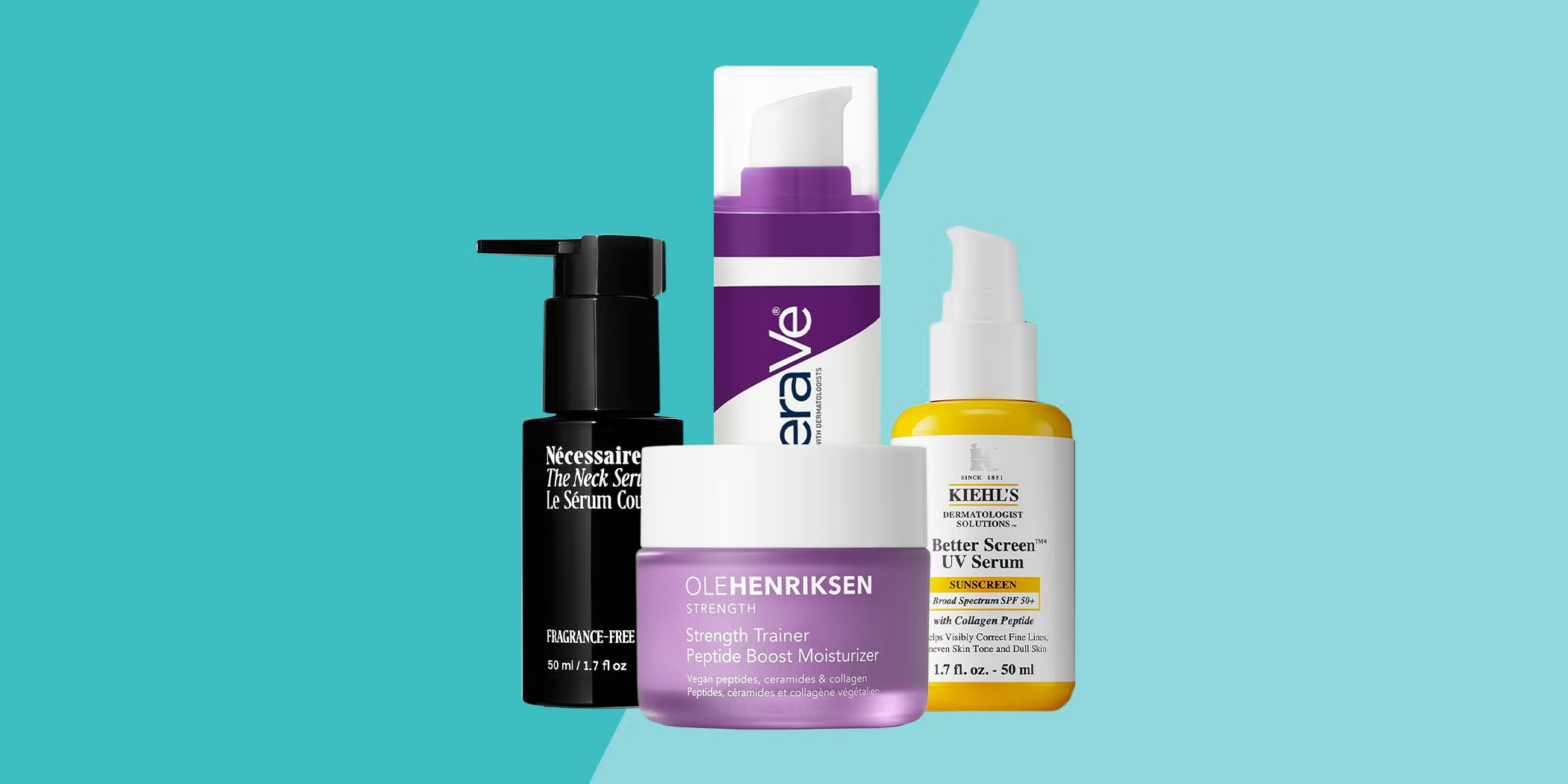
Retinoids offer the most robust evidence for topical collagen stimulation. These vitamin A derivatives increase collagen production by activating skin cells called fibroblasts. Dermatologists consider retinoids the gold standard for anti-aging skincare. Vitamin C serums also show promise. Ascorbic acid helps stabilize collagen and prevents enzymatic breakdown. Peptide-based serums represent another option. While these don't add collagen directly, they signal skin cells to produce more collagen independently.
Lifestyle factors amplify any collagen strategy. Sun exposure damages collagen through UV radiation. Consistent sunscreen use with SPF 30 or higher prevents this breakdown. Sleep supports collagen synthesis. During deep sleep, growth hormone peaks, triggering collagen production and repair. Smoking accelerates collagen degradation by increasing enzymes that break it down. A diet rich in vitamin C, zinc, and copper provides building blocks for collagen production.
The most effective collagen approach combines multiple tactics. A person might use a retinoid serum at night, apply a hydrating moisturizer with peptides during the day, take oral collagen peptides consistently, protect skin from sun damage, prioritize seven to nine hours of sleep nightly, and eat a protein-rich diet. No single product delivers transformation alone. Realistic expectations matter. Visible skin improvement requires three to six months of consistent effort.
Collagen skincare works best when people understand the science rather than chase promises of instant youth.