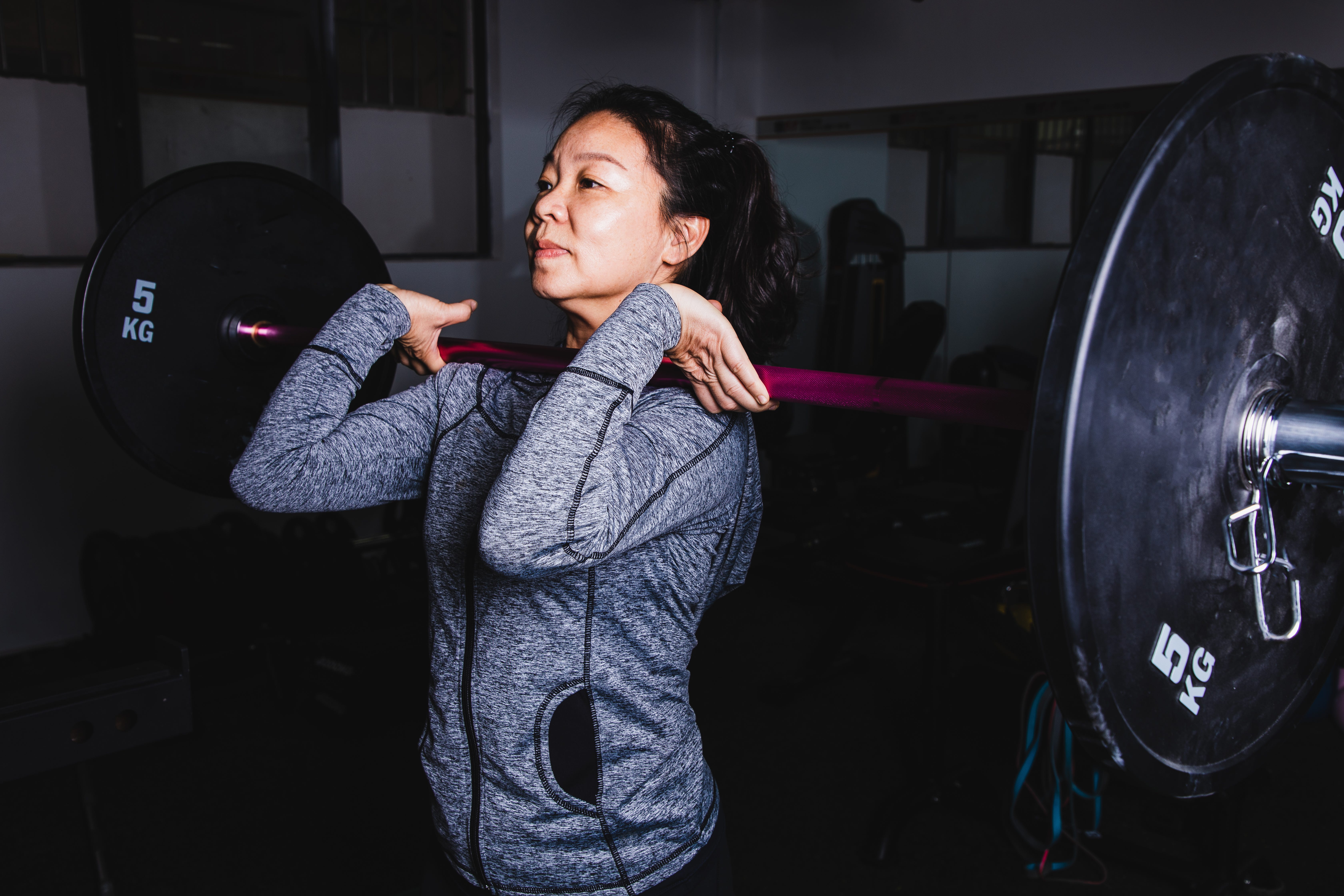
# Should You Lift Light Weights for High Reps or Heavy Weights for Low Reps?
According to Prevention, experts address how to select appropriate weight loads for strength building while maintaining safety.
The outlet notes that choosing between light weights with high repetitions and heavy weights with low repetitions depends on individual fitness goals and experience levels. Prevention reports that experts emphasize the importance of picking a weight that challenges muscles adequately without compromising form or risking injury.
The distinction matters because different rep ranges produce different results. Light weights performed for higher repetitions build muscular endurance and can improve cardiovascular fitness. Heavy weights lifted for fewer repetitions develop maximum strength and muscle mass, though they require greater technical proficiency.
Prevention indicates that experts recommend beginners start with lighter loads to establish proper movement patterns before progressing to heavier weights. This approach reduces injury risk while allowing trainees to understand how their bodies respond to resistance training.
The outlet explains that the ideal weight selection involves finding a load where the final repetitions feel challenging but achievable with good form. If a weight feels too easy throughout all sets, it likely needs increasing. If form breaks down or joints feel strained, the load is probably too heavy.
Prevention notes that experts suggest varying rep ranges throughout a training program. Alternating between higher rep sets and lower rep sets with heavier weights can produce more comprehensive strength gains and prevent plateaus.
Individual factors influence proper weight selection, Prevention reports. These include current fitness level, training experience, age, and any existing injuries or limitations. Recovery capacity and overall training volume also play roles in determining appropriate loads.
The outlet states that consistency matters more than immediately lifting maximum weights. Building strength safely takes time. Progressive overload—gradually increasing weight or reps over weeks and months—produces better long-term results than attempting heavy lifts before developing adequate strength and technique.