Kenya has confirmed four additional Ebola cases, bringing the country's total to seven confirmed infections, according to the New York Times Health section. This marks Kenya's first recorded cases of the virus, as the country had never documented Ebola infections prior to this month.
The emergence of Ebola in Kenya represents a significant shift in the geographic spread of the virus. Ebola outbreaks have historically occurred in other parts of sub-Saharan Africa, but Kenya's status as a previously unaffected country makes these new cases noteworthy for regional public health officials and international disease monitoring agencies.
The confirmation of cases in Kenya raises questions about transmission patterns and potential sources of infection in the region. Ebola spreads through direct contact with blood or bodily fluids of infected individuals or animals, typically fruit bats, which serve as the virus's natural reservoir. The sudden appearance of multiple cases in a country with no prior documented history of the disease suggests either new transmission routes or spillover events from animal populations.
Kenya's health authorities have not yet released detailed information about the affected individuals or epidemiological investigations into how the virus entered the country. Public health response protocols typically include isolating confirmed cases, tracing contacts of infected individuals, and monitoring those exposed for symptoms, which include fever, weakness, muscle pain, and hemorrhaging.
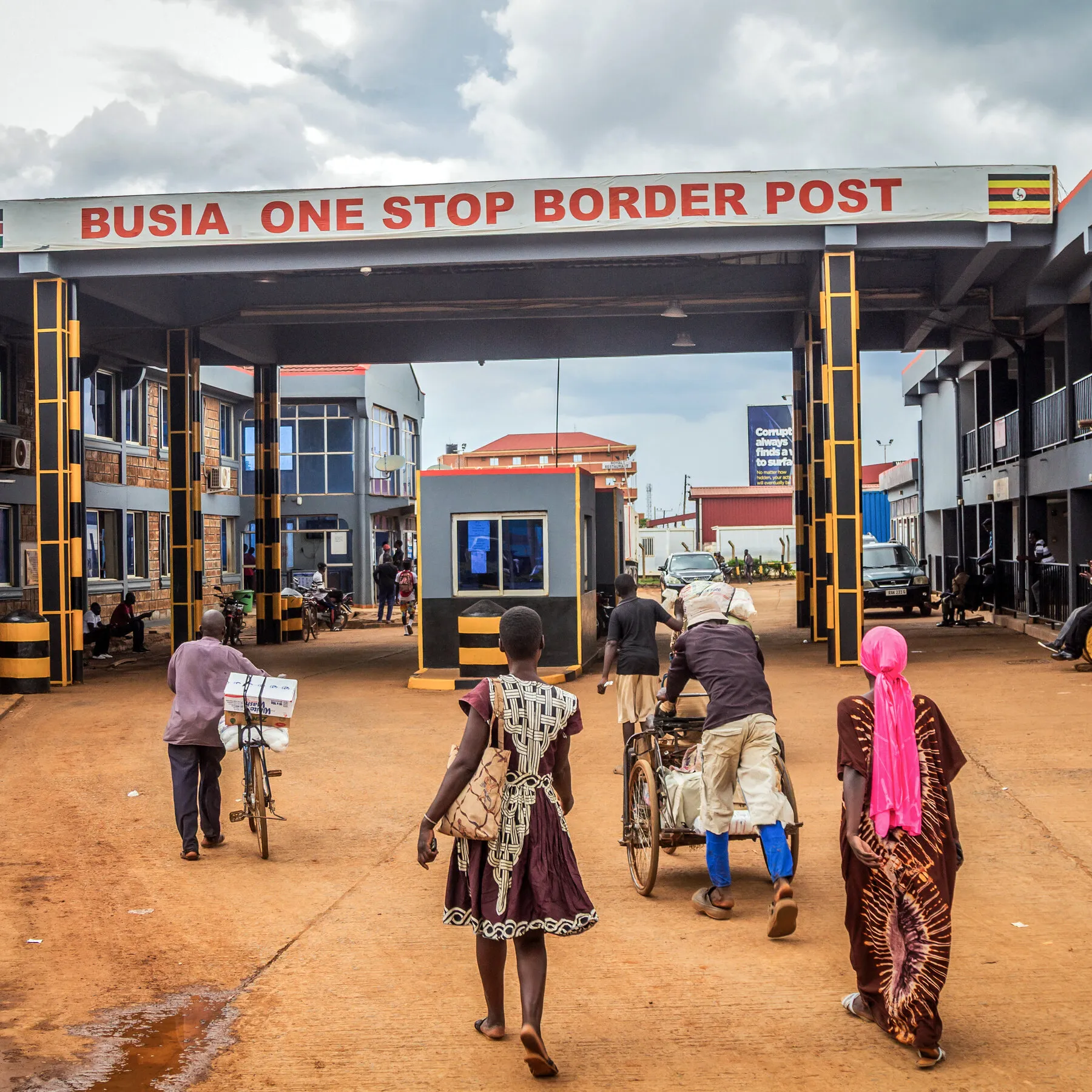
The appearance of Ebola in Kenya also carries implications for regional trade, travel, and cross-border health coordination with neighboring countries. Rwanda, Uganda, and the Democratic Republic of Congo have experienced significant Ebola outbreaks in recent years, and Kenya's geographic proximity to these nations makes surveillance and early detection critical for containing potential spread.
Health organizations and governments across East Africa are likely monitoring the situation closely. The World Health Organization and other international bodies track Ebola cases globally to support affected nations and prevent international transmission. Kenya's response to these first confirmed cases will test the country's disease surveillance