# A Daily Serving of Nuts May Help Lower Blood Pressure, Research Shows
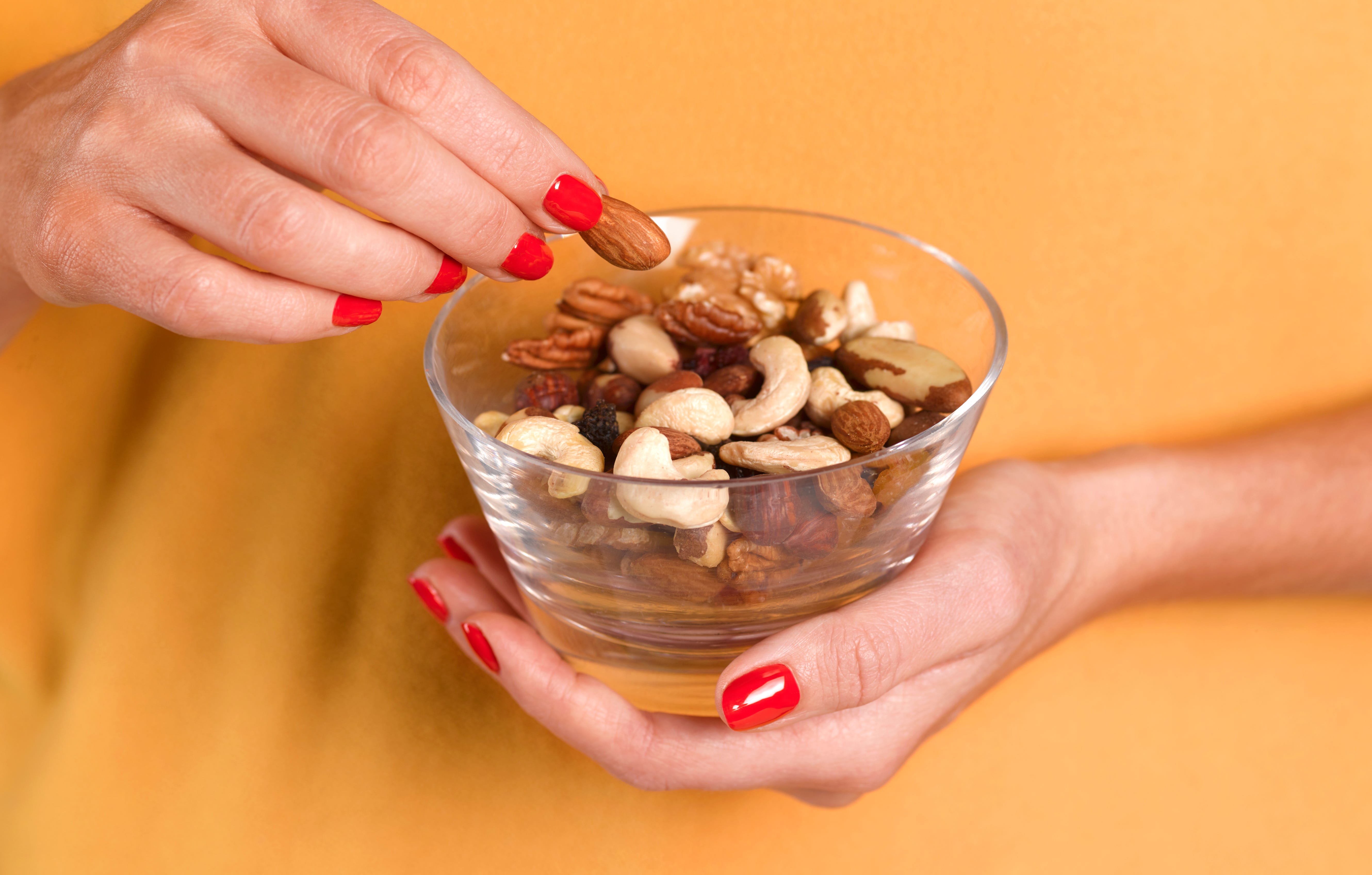
Eating just one serving of nuts each day appears to reduce blood pressure, according to recent research. The finding offers an accessible, affordable dietary approach for people managing hypertension or looking to prevent it.
Scientists have long recognized that nuts contain compounds linked to heart health. But this latest work quantifies the blood pressure benefit more precisely. One serving, typically defined as about one ounce or a small handful, delivered measurable results in study participants. The effect emerged across different nut varieties, suggesting the benefit isn't limited to one specific type.
Nuts deliver this blood-pressure boost through several mechanisms. They contain arginine, an amino acid that relaxes blood vessels and improves blood flow. Potassium levels in nuts help counterbalance sodium in the diet. Magnesium, another mineral abundant in nuts, plays a direct role in blood vessel function. The fiber content supports overall cardiovascular health. These compounds work together to create what researchers call a "synergistic effect."
What makes this finding practical is the cost and accessibility factor. Unlike some health interventions requiring specialty products or expensive protocols, nuts remain one of the most affordable functional foods available. A jar of almonds or walnuts costs far less than pharmaceutical interventions for hypertension. This positions nut consumption as a preventive health strategy accessible to most households.
The research aligns with established dietary guidelines. The American Heart Association already recommends nuts as part of a heart-healthy eating pattern. This new evidence strengthens the case for making nuts a daily habit rather than an occasional snack. People don't need to eat handfuls at a time. One modest serving delivers the benefits.
For those with existing high blood pressure, incorporating this simple dietary change offers a complementary approach alongside medical treatment. Some study participants showed blood pressure reductions comparable to what certain antihypertensive medications achieve. This doesn't mean nuts replace medication for people who need it, but they represent a valuable addition to a comprehensive strategy.
The timing of nut consumption doesn't appear to matter significantly. Whether eaten as part of breakfast, a midday snack, or added to dinner, the blood pressure benefits emerge. People who dislike eating nuts plain can add them to oatmeal, salads, yogurt, or use nut butters as spreads or ingredients in smoothies.
Variety matters too. Almonds, walnuts, pistachios, and cashews all showed benefits in research. People can rotate between types based on preference and availability, which helps with long-term adherence. Those with tree nut allergies should explore peanuts, technically legumes that deliver similar cardiovascular benefits.
This research speaks to a broader truth in nutrition science. Small, consistent dietary changes often produce meaningful health outcomes over time. Blood pressure management doesn't always require dramatic overhaul. Starting with one serving of nuts daily represents a realistic entry point for people ready to take control of their heart health. The combination of proven efficacy, affordability, and ease of implementation makes this one of the most actionable dietary recommendations available.