# The Right Blood Pressure Monitor Can Help You Catch a Silent Killer
High blood pressure affects nearly half of American adults, yet many don't know they have it. That's why cardiologists emphasize regular monitoring at home. The devices you choose matters. A reliable blood pressure monitor gives you accurate readings that help you and your doctor catch problems early, before they turn into heart attacks or strokes.
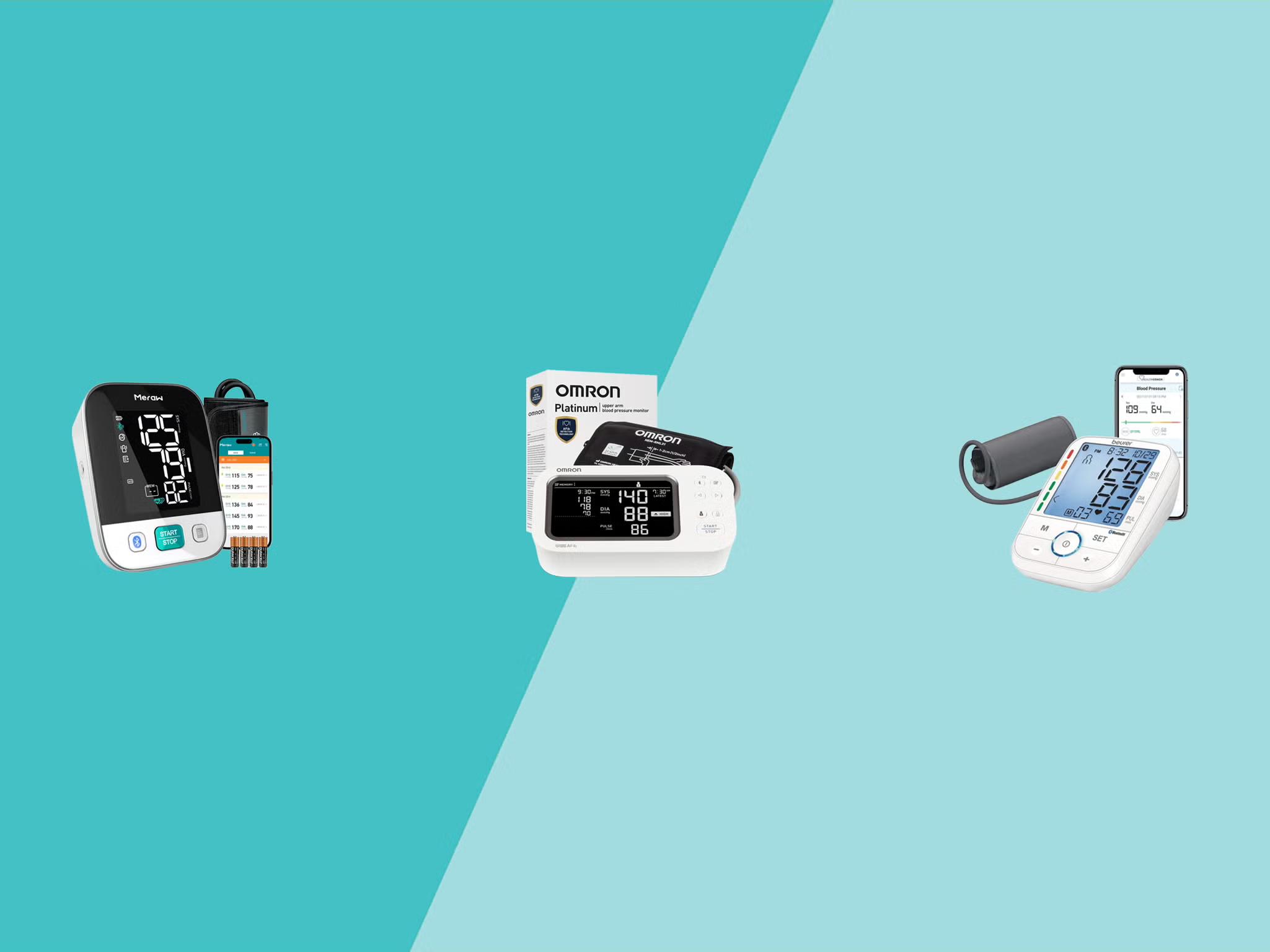
Prevention magazine surveyed cardiologists to identify the best blood pressure monitors currently available. The doctors selected devices based on accuracy, ease of use, and reliability. Several top-rated options are currently on sale during October Prime Day, making this an ideal time to invest in your cardiovascular health.
Home blood pressure monitoring has real clinical value. When your doctor measures your blood pressure once during an office visit, they get a snapshot. Home readings over time reveal your true patterns. This matters because some people experience "white coat syndrome," where anxiety spikes their numbers in medical settings. Others have elevated readings primarily at home. Tracking both patterns helps your doctor make better treatment decisions.
The American Heart Association recommends daily monitoring for anyone with high blood pressure or a family history of hypertension. Consistent tracking works better than occasional checks. Most cardiologists now ask patients to log readings several times per week, ideally at the same time each day.
Accuracy separates quality monitors from inferior ones. Devices approved by organizations like the International Protocol for the Validation of Blood Pressure Measuring Devices undergo rigorous testing. Look for this certification before buying. Wrist monitors, while convenient, tend to be less accurate than upper-arm cuffs because small positioning changes affect readings dramatically. Upper-arm models deliver more consistent results.
Ease of use determines whether people actually stick with monitoring. The best monitors display large, readable numbers. Some connect to smartphone apps that automatically track your history. This digital record helps you spot trends and makes sharing data with your doctor simple. Bluetooth connectivity removes the burden of manual note-taking.
Several devices stand out in cardiologist recommendations. Omron, Withings, and Panasonic all manufacture models praised for reliability and user-friendly design. Some are designed specifically for people with larger arms or those who struggle with traditional cuffs. Talking with your doctor about which model works best for your situation ensures you get a device you'll actually use consistently.
The stakes of monitoring are high. Uncontrolled hypertension damages blood vessels silently over months and years. By the time you notice symptoms, serious damage has occurred. Regular home monitoring catches rising pressure early, when lifestyle changes or medication adjustments can prevent that damage.
October Prime Day sales make quality monitors more accessible. Spending sixty to two hundred dollars on a reliable device now could prevent thousands in future medical costs and, more importantly, protect your health. If high blood pressure runs in your family or you've had elevated readings, talk to your doctor about which monitor they recommend. Starting a monitoring routine today is one of the most practical steps you can take for long-term cardiovascular health.