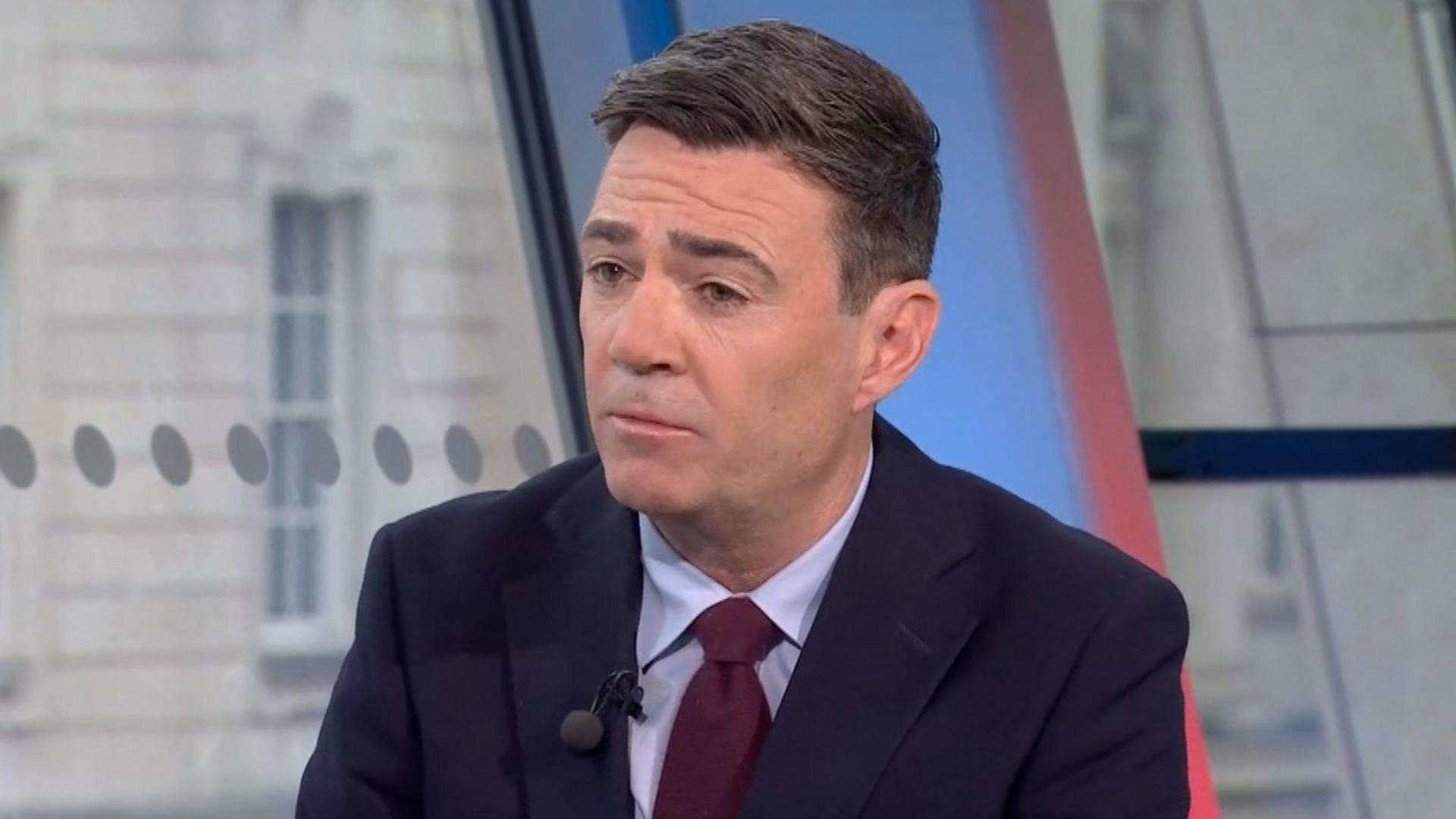
# Social Care Crisis Threatens NHS Stability, Health Leader Warns
Andy Burnham, mayor of Greater Manchester, issued a stark warning about the interconnected crisis gripping Britain's health and social care systems. The healthcare leader argues that without urgent reform of social care services, the entire National Health Service will face collapse under mounting pressure.
Burnham's comments reflect a growing consensus among health administrators and policy experts about a fundamental problem: the NHS cannot function effectively when social care systems fail upstream. The logic is straightforward. When elderly people or disabled individuals lack adequate home care support, they end up in hospital beds for longer than medically necessary. These extended stays clog emergency departments and ward capacity, creating bottlenecks that ripple through the entire system.
The social care sector in England has deteriorated significantly over the past decade. Funding has stagnated while demand has grown. Care homes report staffing shortages. Home care workers struggle with low wages and poor working conditions. Disabled adults wait months for assessments and support packages. The result: families become the primary caregivers, burning out without professional backup. When that informal network fails, people default to hospital care, which costs far more and solves fewer problems.
Burnham's proposal centers on a formal care service detailed plan that would be presented to voters at the next general election. This reflects a political shift toward treating social care as a ballot issue rather than a backstage policy debate. The move acknowledges public frustration with incremental changes and band-aid funding announcements.
The connection between social care and NHS strain appears in concrete data. Hospital admission rates for falls, infections, and other preventable conditions spike among people without adequate home support. Discharge from hospital becomes delayed when patients have no care arrangement waiting. Community health teams spend precious resources managing crises that earlier intervention could have prevented.
Health leaders across the system echo Burnham's concerns. The Health Foundation, an independent think tank, has documented how social care underfunding creates a cascading effect through primary care, emergency services, and hospital capacity. Royal College of Nursing representatives have warned that nurses spend increasing time on tasks that should fall to social care workers, diverting them from clinical care.
Burnham's framing represents a strategic shift in how health leaders communicate about social care. Rather than treating it as a separate, lower-priority sector, he explicitly links it to NHS survival. This reframing matters politically. Voters understand the NHS is precious. If leaders can demonstrate that protecting the NHS requires investing in social care, it changes the conversation.
The question now centers on whether politicians will translate concern into action. Proposing a detailed care service for electoral debate is one step. Funding that service sustainably while managing competing demands on the public purse remains the harder challenge. Burnham's warning puts the issue directly before voters, making social care reform a legitimate election issue rather than an administrative detail.