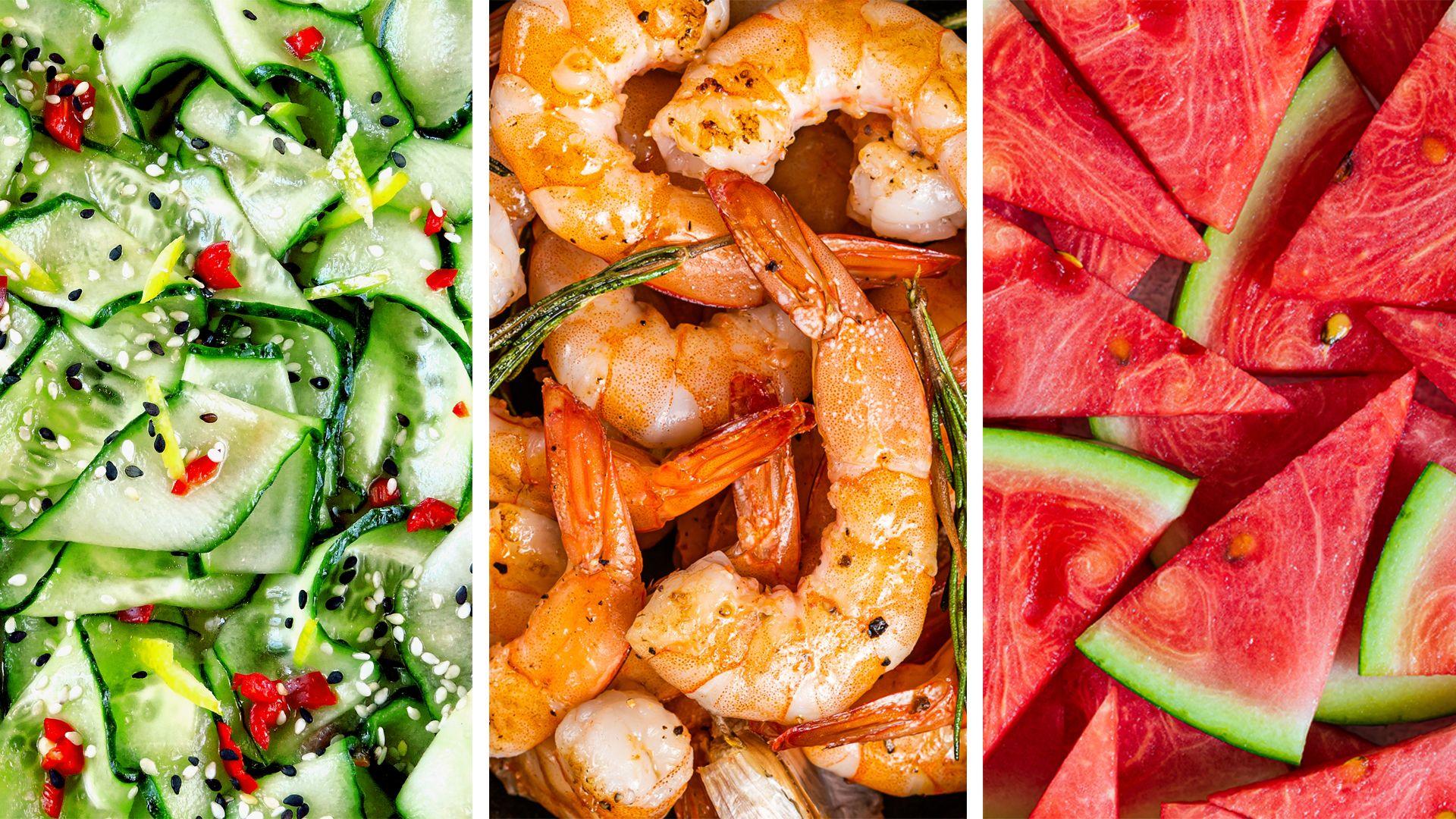
Aisling Daly, senior lecturer in nutrition at Oxford Brookes University, says there is no need for more protein during a heatwave. However, eating protein generates body heat through digestion, as the stomach, intestines and liver require energy to break down and absorb complex molecules. Daly recommends getting protein from sources that produce less internal heat, including bean salads, eggs, pre-cooked meats, Greek yogurt, smoothies with peanut butter, and lighter fish like tuna, salmon or prawns.
For cooking in hot weather, air fryers use less than half the energy of conventional ovens and release less heat into the kitchen. Slow cookers, though they run longer, are typically more energy efficient and release even less heat than air fryers.
Dr Charlotte Mills, food and nutrition scientist at the University of Reading, notes that hydration needs vary by individual based on age, body size, activity levels and health status. The NHS normally recommends six to eight glasses of fluid daily, though heatwaves may require more. Daly emphasizes that people should "eat our water as well as drink it," since 80-90% of fruit and vegetables contain water. Cucumber, tomatoes, lettuce, celery, watermelon and strawberries all contain above 90% water.
Warm or room-temperature drinks cool the body just as effectively as cold ones, according to Daly. Research suggests the body sweats more quickly after hot drinks to shed excess heat and maintain core temperature at 37 degrees Celsius. Daly says one or two coffees daily make little difference to hydration, but five or six will have an effect. Dark or orangey urine indicates dehydration and signals the need to drink more.