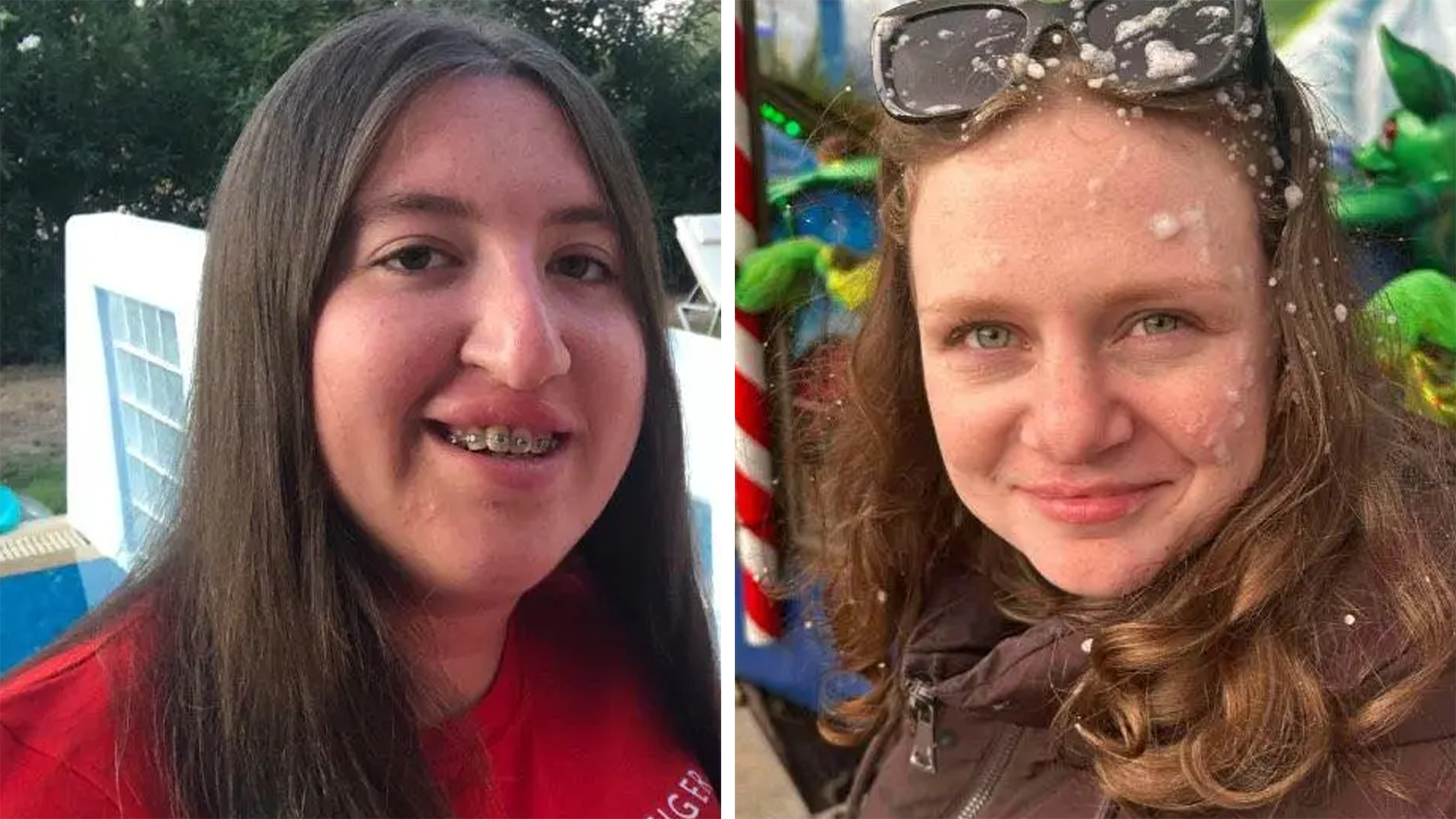
Amber Dorgan and Emily Evans, both in their twenties who underwent cleft lip surgery as children, say dermal fillers have boosted their confidence after being left with scarring.
Dorgan, 20, from Neath, receives free dermal filler for life through The Welsh Centre for Cleft Lip and Palate at Morriston Hospital in Swansea. "Now I feel like I can just go out and talk to anyone, be more social and just be confident," she said.
Evans, 21, from Kidwelly, discovered through social media that aesthetic practitioners offered filler treatments for cleft scars. She found aesthetic practitioner Summer Rose-Dorland, who runs a clinic in Somerset and operates pop-up clinics in Wales. Rose-Dorland works with CleftInject, a non-profit organization that connects adults with cleft scarring to trained aesthetic practitioners. According to Rose-Dorland, some practitioners with CleftInject "offer a majority of treatments free of charge", especially for first treatments.
However, concerns about exploitation have emerged. Dr Nicola Stock, an associate professor at the University of the West of England's Centre for Appearance Research, warned that people with a cleft lip were being "deliberately targeted" by the aesthetics industry and "left vulnerable to potential harm and exploitation".
Dr Neil Brierley, a consultant cleft and plastic surgeon with the West Midlands Cleft Service, emphasized that people should inform their cleft team before pursuing filler treatments, as placement could prevent future surgical options. He also noted the lack of regulations in the aesthetics field. "I know that there are a number of organisations, various world colleges and specialist societies [which] are trying to bring in regulation in line with government but at the moment the entire field is unregulated," he said.
Rose-Dorland, who qualified four years ago and completed 20 training courses, stated: "I stand for having regulation, I generally think we need it in the aesthetics industry."