The arrival of the da Vinci robot at Belfast City Hospital in May is undoubtedly a milestone for gynaecological care in Northern Ireland. The machine's ability to perform precise, minimally invasive surgery - having already completed 130 procedures, 105 of them for complex endometriosis - represents genuine progress. Yet celebrating this technology risks obscuring a far more troubling reality: women in Northern Ireland have been systematically failed for decades, and a single £2.4m machine cannot undo the damage already done.
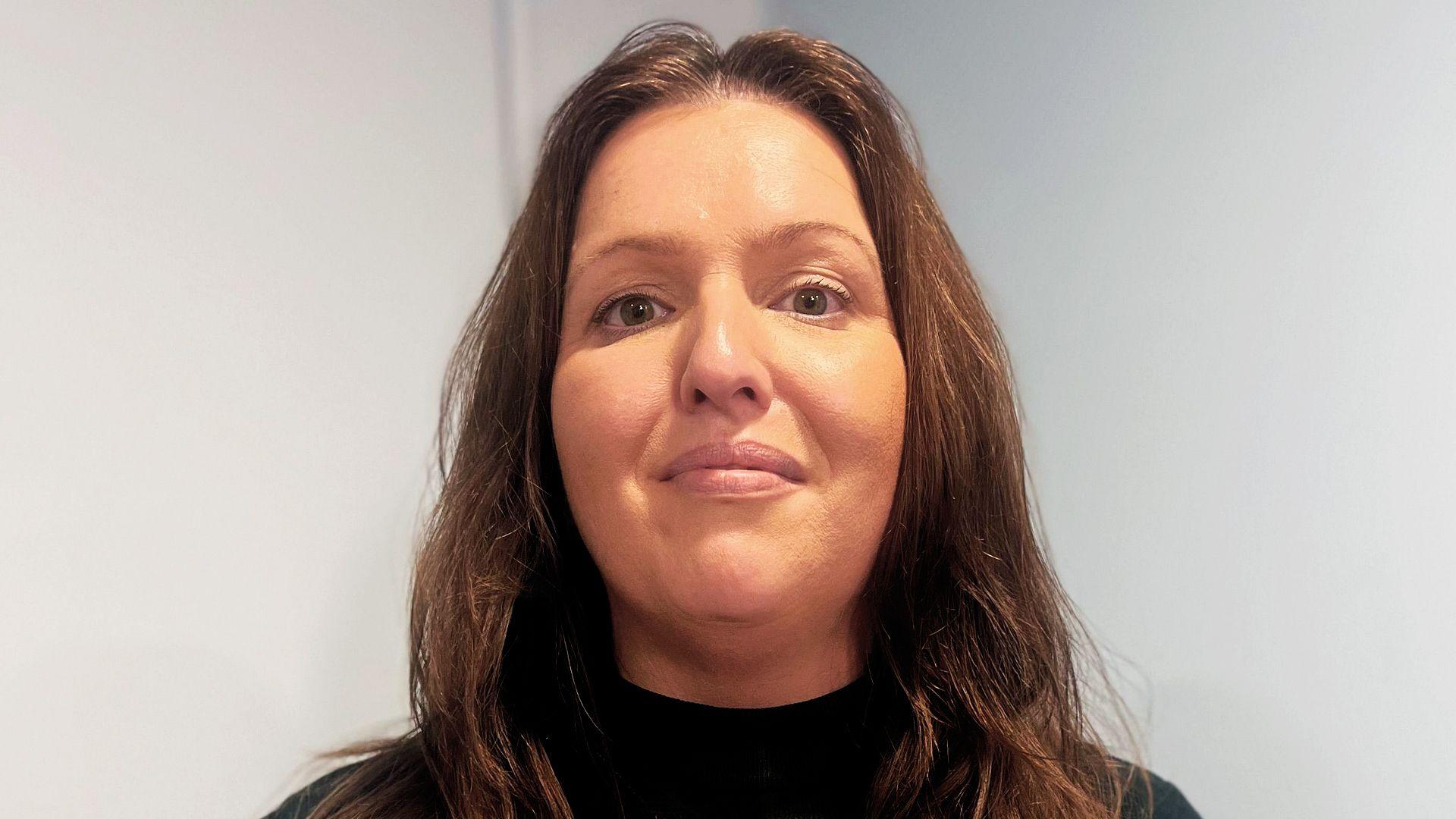
Colleen Crothers embodies this injustice. She experienced chronic period pain from age 14, but waited 22 years before being referred to gynaecology. By the time she finally received a diagnosis of both adenomyosis and endometriosis, she had already missed 'so much of family life due to daily pain' and required a hysterectomy at age 41. With average waits of about seven years for complex surgery in Northern Ireland, countless women like her have lost the chance to have children, suffered unnecessary pain, and endured compromised mental and physical health. These are not merely inconveniences - they are life-altering consequences of systemic neglect.
The announcement on Monday of a £1.95m investment in endometriosis services, including £700,000 for two regional endometriosis centres at Belfast City and Altnagelvin Area hospitals, is welcome. Yet it arrives impossibly late for those already damaged by the waiting lists. Health Minister Robbie Butler's statement that this investment will 'help ensure more women receive the care they need, when they need it' rings hollow for women who needed that care years ago.
What the da Vinci robot actually represents is not a solution, but an indictment. That four consultants have now been trained to operate it is important, but it also exposes the underlying problem: Northern Ireland's gynaecological services were so under-resourced that a single machine becomes a transformative breakthrough. Dr Hans Nagar's hope that 'there will be other robots going elsewhere in Northern Ireland' and that this will encourage young staff to stay, rather than emigrate to Canada, Australia, or the Republic of Ireland, underscores how inadequate services have been.
The real test of Northern Ireland's commitment to women's health is whether this investment and technology represent genuine systemic change, or merely a band-aid on a wound that should never have been allowed to fester. Colleen Crothers may be grateful that she is now pain-free, but she remains childless and in early menopause - consequences that technology alone cannot reverse. Until women stop waiting years for basic diagnosis and treatment, celebrations of medical innovation ring hollow.