The University of Birmingham is leading a government-funded trial to test blood tests that can detect multiple cancers from a single sample. About 200 GP surgeries across England will offer these tests to more than 20,000 patients aged 45 and over who have symptoms such as abdominal pain or persistent bloating.
The blood tests look for proteins or fragments of DNA that may signal cancer. They aim to detect hard-to-diagnose cancers including pancreatic, liver, ovarian, stomach, bowel, kidney, bladder, prostate, and others. The tests may help doctors identify which patients with vague symptoms need further investigation.
Prof Peter Johnson, NHS England's national clinical director for cancer, noted that detecting abdominal cancer early is "notoriously difficult" because symptoms can easily be mistaken for other less serious conditions. Earlier diagnosis gives patients a much better chance of successful treatment and survival.
Around 71,000 people in England are diagnosed each year with pancreatic, stomach, liver, ovarian or bowel cancer, and nearly 35,000 die from these diseases.
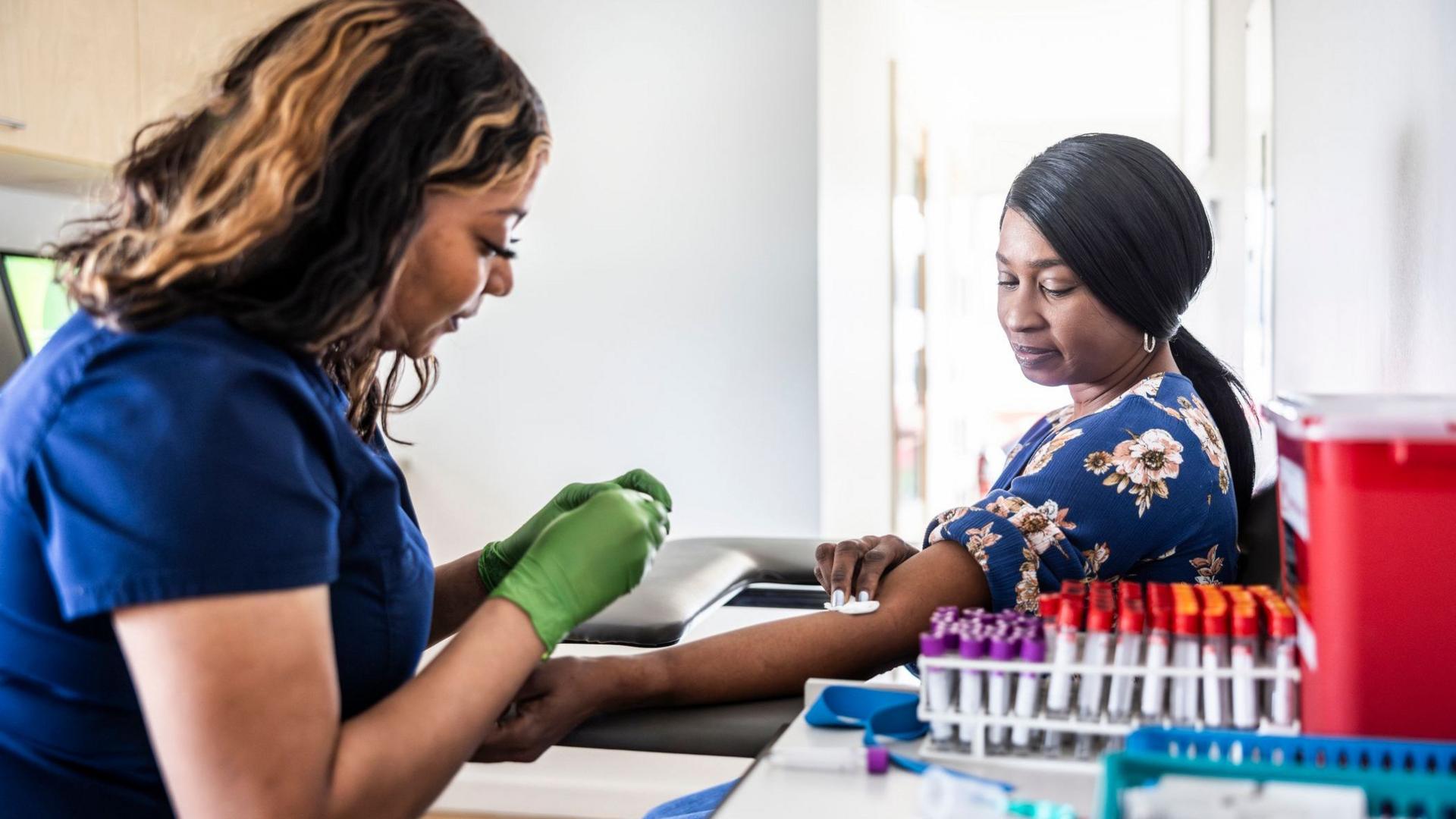
Patients will provide one or two tubes of blood at their GP practice alongside routine tests. Scientists will analyze the samples for signs of cancer and may be able to pinpoint the tumor's location if cancer is present.
A positive result does not automatically mean there is cancer, and a negative result is not a guaranteed all-clear. The trial will assess whether the tests are accurate enough for wider NHS use.
A separate NHS trial of a test called Galleri recently failed to meet its main goal of reducing diagnoses of late-stage cancers, though researchers are still assessing its potential benefits.