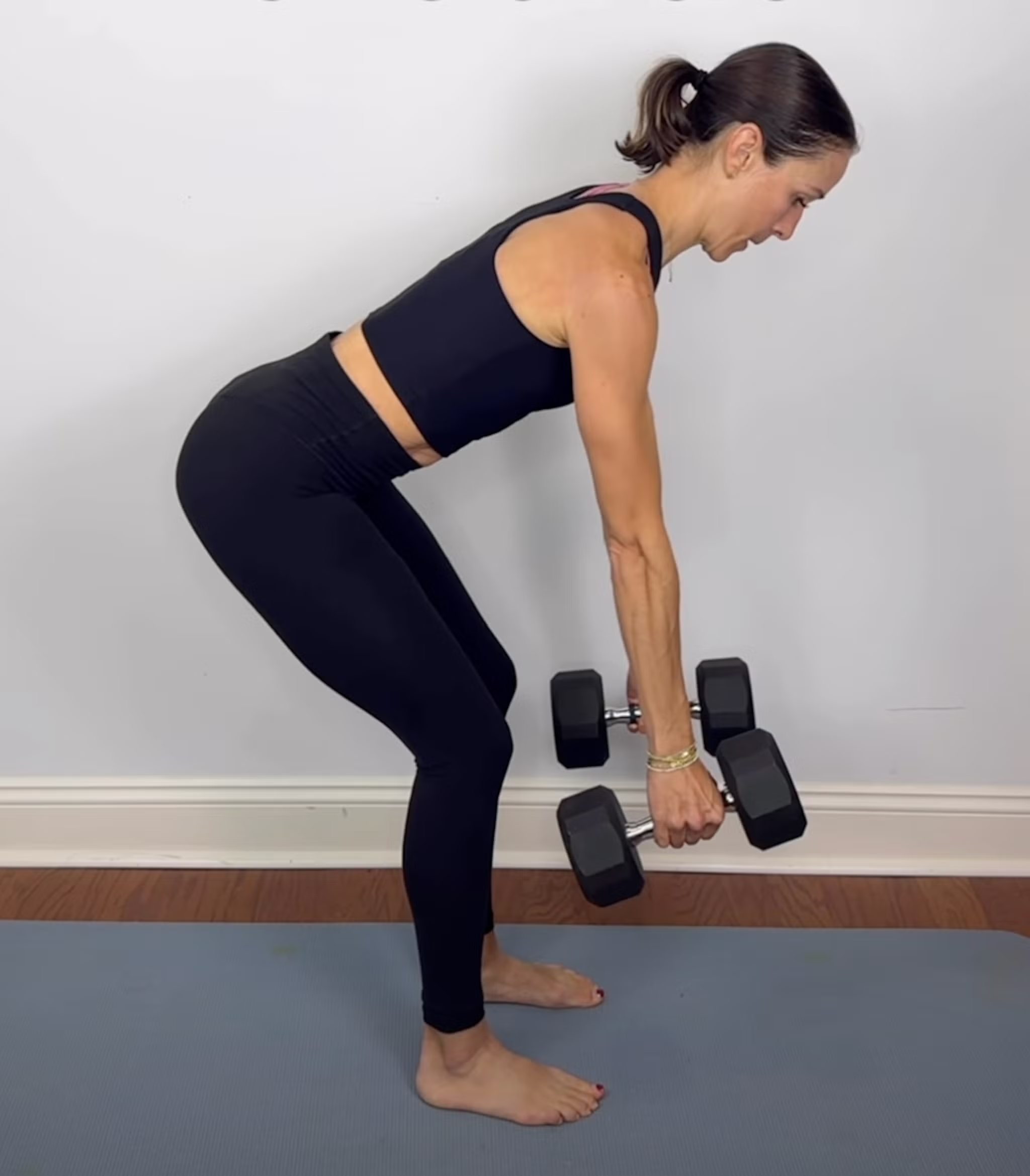
Certified perimenopause strength coach Chrissa Benson's claim that she has built stronger arms in her 40s than in her 20s should prompt us to ask a harder question: why isn't this the default expectation for aging adults? Benson's achievement isn't remarkable because it's impossible—it's remarkable because so few people attempt it. At a time when sarcopenia, or age-related muscle loss, can begin affecting us as early as age 30, with muscle mass decreasing by approximately 3-8% per decade and accelerating after 60, we've accepted decline as inevitable rather than preventable.
The science supports Benson's approach unequivocally. Research shows that two hours of strength work per week is associated with a 22% lower risk of developing major cardiovascular disease and a 44% lower risk of having a heart attack. Beyond these dramatic health benefits, maintaining upper-body strength through exercises like those Benson recommends—which she performs with weights ranging from 10 to 15 pounds and describes as underrated for targeting the back and shoulders, superior to standard bicep curls, and essential for the chest and back—directly supports the functional movements that keep us independent: lifting, pushing, pulling, and reaching. Most importantly, strong arms can mean the difference between recovering from a fall and losing independence entirely.
Yet Benson's three exercises that she 'never skips' remain underutilized by the very population that needs them most. The problem isn't knowledge—it's cultural messaging. We've normalized the idea that aging means weakening, that our 40s should feel different from our 20s in ways we simply accept. Benson's Instagram posts demonstrating her regimen represent a quiet rebellion against this narrative, but they shouldn't have to be revolutionary.
What should happen next is clear: strength training needs repositioning from optional wellness activity to essential health maintenance, particularly for those navigating perimenopause and beyond. Healthcare providers should prescribe it with the same confidence they prescribe medications. Fitness spaces should market to older adults not as a niche demographic, but as their primary audience. Benson has demonstrated what's possible when someone commits to consistency, but her success shouldn't inspire admiration for beating the odds—it should inspire widespread recognition that these aren't odds to beat. They're simply the results of doing what we should have been doing all along.
The real takeaway from Benson's achievement isn't that arm strength at 40 is impressive. It's that we've set the bar so low for aging bodies that maintaining—let alone building—muscle has become a surprising accomplishment rather than a basic expectation.