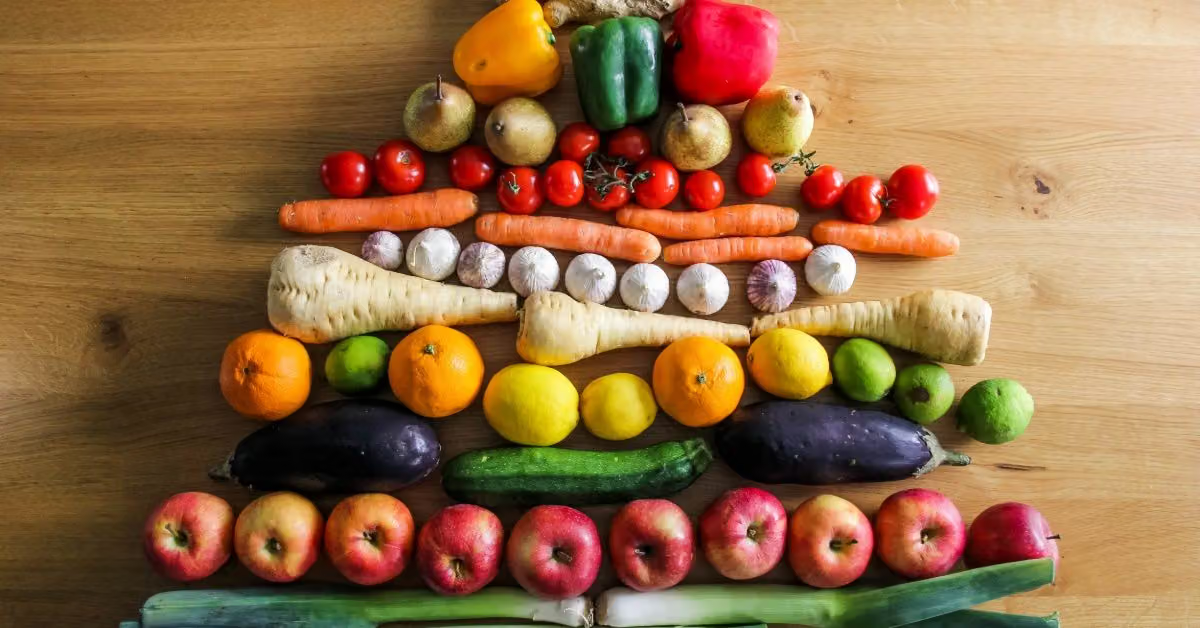
In September, 22 leading nutritionists from Europe, Canada, the United States, and Australia published a landmark food pyramid in Advances in Nutrition that offers a refreshing departure from our current national approach to nutrition. This first-of-its-kind international food pyramid emphasizes plant-based protein sources, cooking with plant-based oils, and healthier sugars and carbohydrates—principles grounded in analysis of more than 250 scientific publications. Yet it stands in stark contrast to the Trump administration's updated nutritional guidelines, part of Health Secretary Robert F. Kennedy Jr.'s Make America Health Again (MAHA) agenda, which prioritize red meat over plants. The question America should be asking is: why are we moving backward when the world's nutritionists are moving forward?
Led by Brigham Young University professor Karen Della Corte and researchers from the International Carbohydrate Quality Consortium (ICQC), this pyramid represents genuine scientific consensus across multiple countries and cultures. That distinction matters enormously. This isn't one country's preferences—it's an international agreement on what the evidence actually shows. The pyramid's foundation reflects a simple but powerful truth: the quality and source of nutrients matter more than blanket macronutrient counts. As Michelle Routhenstein, Preventive Cardiology Dietitian at Entirely Nourished, noted, the new pyramid encourages considering 'the quality and sources of those nutrients' rather than simply telling people to eat more protein or fewer carbohydrates.
The comparison between the two approaches is telling. While both the international pyramid and current U.S. guidelines discourage added sugars, refined carbs, and highly processed snacks, they diverge sharply on protein and fat sources. The new pyramid prioritizes plant-based proteins and emphasizes unsaturated plant oils for cooking, whereas U.S. guidelines place greater emphasis on animal proteins including red meat and include butter and beef tallow as cooking fat options. This isn't a minor difference—it reflects fundamentally different scientific conclusions about what keeps Americans healthy.
The cardiovascular evidence is compelling. Research consistently demonstrates that plant-forward eating patterns, including the Mediterranean and DASH diets, are associated with better cardiovascular health and lower risk of heart disease. Plant foods provide fiber, potassium, antioxidants, and other beneficial compounds that support healthy cholesterol levels, blood pressure, blood sugar, and blood vessel function. As Routhenstein emphasized, 'This is not to say that protein and fat are unimportant, but their sources matter.'
Importantly, the international pyramid doesn't eliminate animal proteins—it simply reorders priorities based on evidence. It's not about forcing veganism or vegetarianism on America. Rather, it's about acknowledging that plant-based sources should anchor our diets, with animal proteins as supplements aligned with individual health goals. Our current guidelines do the opposite. As our government pursues its Make America Health Again agenda, it should consider what international nutritionists are telling us: the path to better health runs through plants first, not red meat first.