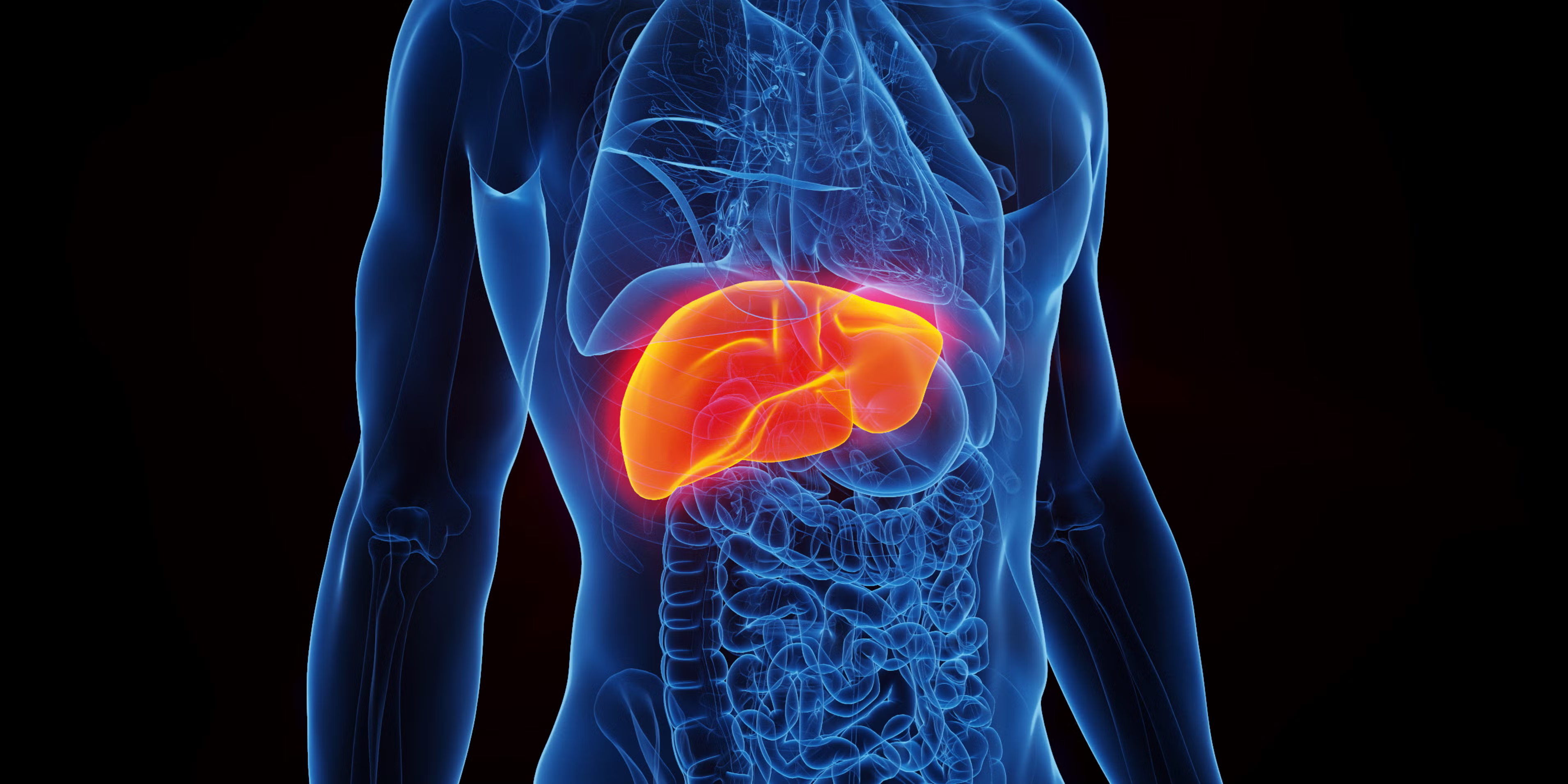
Your liver filters everything you consume and regulates glucose, cholesterol, and waste removal. Three stages of liver disease progress from inflammation to fibrosis (scarring) to cirrhosis, where the organ functions less efficiently.
Richard Sterling, MD, a hepatologist at Virginia Commonwealth University, notes that severe symptoms like jaundice, abdominal swelling, and confusion only appear when the liver is failing. Earlier symptoms like fatigue are too vague to self-diagnose. A standard blood panel from your annual physical can measure liver health by checking liver enzymes, platelet count, albumin, total protein, and bilirubin, plus screenings for hepatitis B and C.
Rohit Loomba, MD, director of the MASLD Research Center at UC San Diego, says treatment has improved dramatically in the last two decades. Fibrosis that has not advanced to cirrhosis can be reversed by removing the cause, such as improving diet or avoiding alcohol. Even cirrhosis can be stabilized under a liver specialist's care.
Better screening and vaccines have made viral hepatitis less common. The FDA approved Rezdiffra for treating MASH, an advanced stage of metabolic dysfunction-associated steatotic liver disease. Dr. Loomba published research showing that taking Mounjaro for a year was effective in treating MASH. In 2025, the FDA approved Wegovy to treat MASH in adults with moderate-to-advanced fibrosis.
Eight practices support liver health: eat lean protein and produce with little sugar; exercise 150 minutes per week at moderate intensity; drink two to three cups of coffee daily; lose 5 to 10 percent of body weight if overweight; limit sugar; review medications with a doctor; drink alcohol minimally or not at all; and avoid unregulated herbal supplements. Dr. Sterling states that liver cleanses and detoxes are not recommended by hepatologists and lack supporting data.