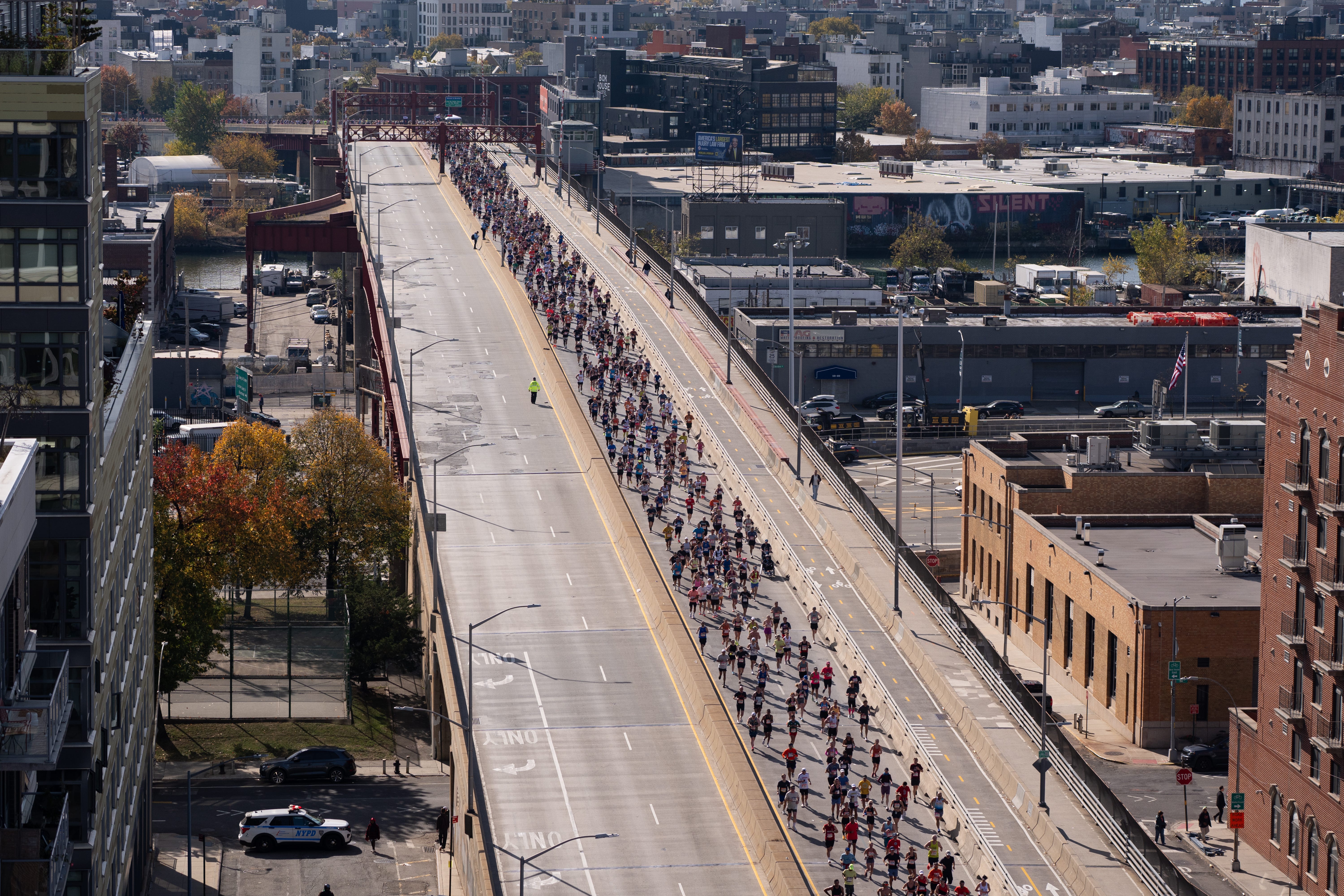
A 24-year-old runner, Rachel Apa, collapsed during the New York City Marathon and died in the hospital after doctors worked to save her life. Her father told the New York Times the cause was rhabdomyolysis, commonly called rhabdo.
Rhabdo is a breakdown of muscle tissue. Approximately 26,000 cases occur annually in the United States, with a mortality rate starting at 10 percent but potentially reaching 50 percent in severe cases. Derek M. Fine, MD, a nephrologist at Johns Hopkins Medicine, notes that most marathon runners show elevated creatine kinase (a blood marker of muscle breakdown) after races. The Centers for Disease Control and Prevention says rhabdo is diagnosed when creatine kinase reaches five times the upper limit of normal (normal is 20 to 200 U/L).
Rhabdo becomes dangerous when severe muscle breakdown releases harmful substances into the bloodstream. Myoglobin, a protein from muscle cells, can damage the kidneys. High potassium levels pose an even bigger risk, Fine says. "When the muscle cells break up, you get a very large release of potassium into the bloodstream and that potassium then can cause cardiac arrhythmias," he explains. This can trigger kidney failure or sudden cardiac arrest.
Multiple risk factors increase rhabdo likelihood. Pushing harder than your training level prepares you for raises risk, particularly for less trained athletes. Dehydration worsens muscle breakdown products that become toxic to the kidneys. Heat and humidity are significant factors. The 2022 NYC Marathon saw 24 cases of exertional rhabdomyolysis, likely linked to unseasonably high heat and humidity, according to a study in Nephron Clinical Practice.
Younger runners may face higher risk because they're more likely to push harder and ignore warning signs. A family history or previous episode of rhabdo suggests genetic susceptibility. Certain medications including statins and some antidepressants, plus underlying conditions like McArdle disease, can predispose someone to rhabdo.
Warning signs include severe muscle pain beyond normal race soreness, muscle weakness, and swelling. Dark or discolored urine warrants attention. Fine recommends drinking to thirst and taking electrolytes during long or hot races. Carbohydrates fuel ATP production, which muscles need to function properly.