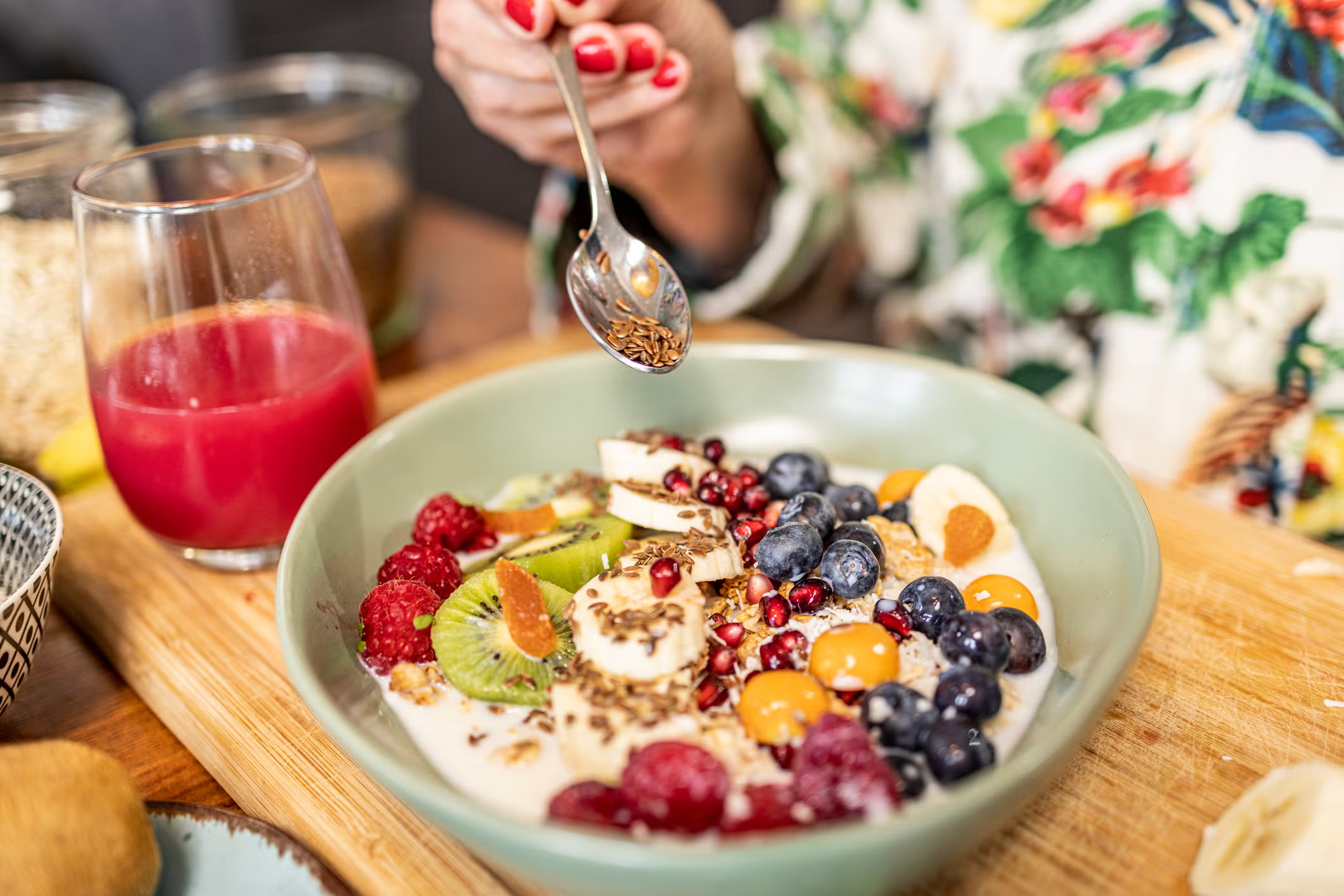
A registered dietitian recently outlined what nutrition science has established clearly: protein and fiber pairings work. When eaten together, they trigger hormones that signal fullness, delay stomach emptying, stabilize blood sugar, and support gut health. The evidence is compelling. Fiber slows sugar absorption into the bloodstream while protein blunts post-meal blood sugar spikes. Research consistently links higher fiber intake with a lower risk of heart disease, type 2 diabetes, and colorectal cancer. This isn't speculation—it's a well-supported eating strategy that works across meals, food preferences, and budgets.
Yet knowing something works and actually doing it are two different things. The numbers reveal a troubling disconnect. About 25 grams of fiber per day for women and 31 to 34 grams for men is generally recommended. Fewer than one in 10 adults hit that target. We're not just missing these recommendations by a little—we're falling dramatically short. This isn't a failure of science communication; it's a failure of implementation. The strategy is sound, but most people aren't using it.
The dietitian's practical suggestions help bridge this gap. Adding a scoop of Greek yogurt or a couple of eggs to oatmeal. Swapping white bread for whole-grain and adding raw vegetables to a sandwich. Building meals around beans, lentils, chickpeas, edamame, nuts, and seeds—foods that contain meaningful amounts of both protein and fiber. These aren't complicated interventions. They're accessible adjustments that work within existing eating patterns and budgets. The recommendation to stock canned beans (rinsed to cut sodium), frozen edamame, single-serve Greek yogurt, precooked lentils, and whole-grain bread makes the strategy even more feasible for busy days.
However, one critical piece of guidance shouldn't be buried in the fine print. If you have kidney disease, a digestive disorder like IBS, or take medication for diabetes, checking with your health care provider or a registered dietitian before significantly changing your protein or fiber intake is essential. This isn't optional caution—it's necessary medicine. Individual circumstances vary, and what works for most won't work for everyone.
The path forward requires acknowledging what we know and removing barriers to applying it. Healthcare providers should help patients implement protein-fiber pairings as part of routine care. Food companies could make protein-and-fiber combinations easier to identify and access. Individuals can start where they are: one meal at a time, gradually adding fiber while drinking plenty of water. The science supports this approach. The question now is whether we have the will to act on it.