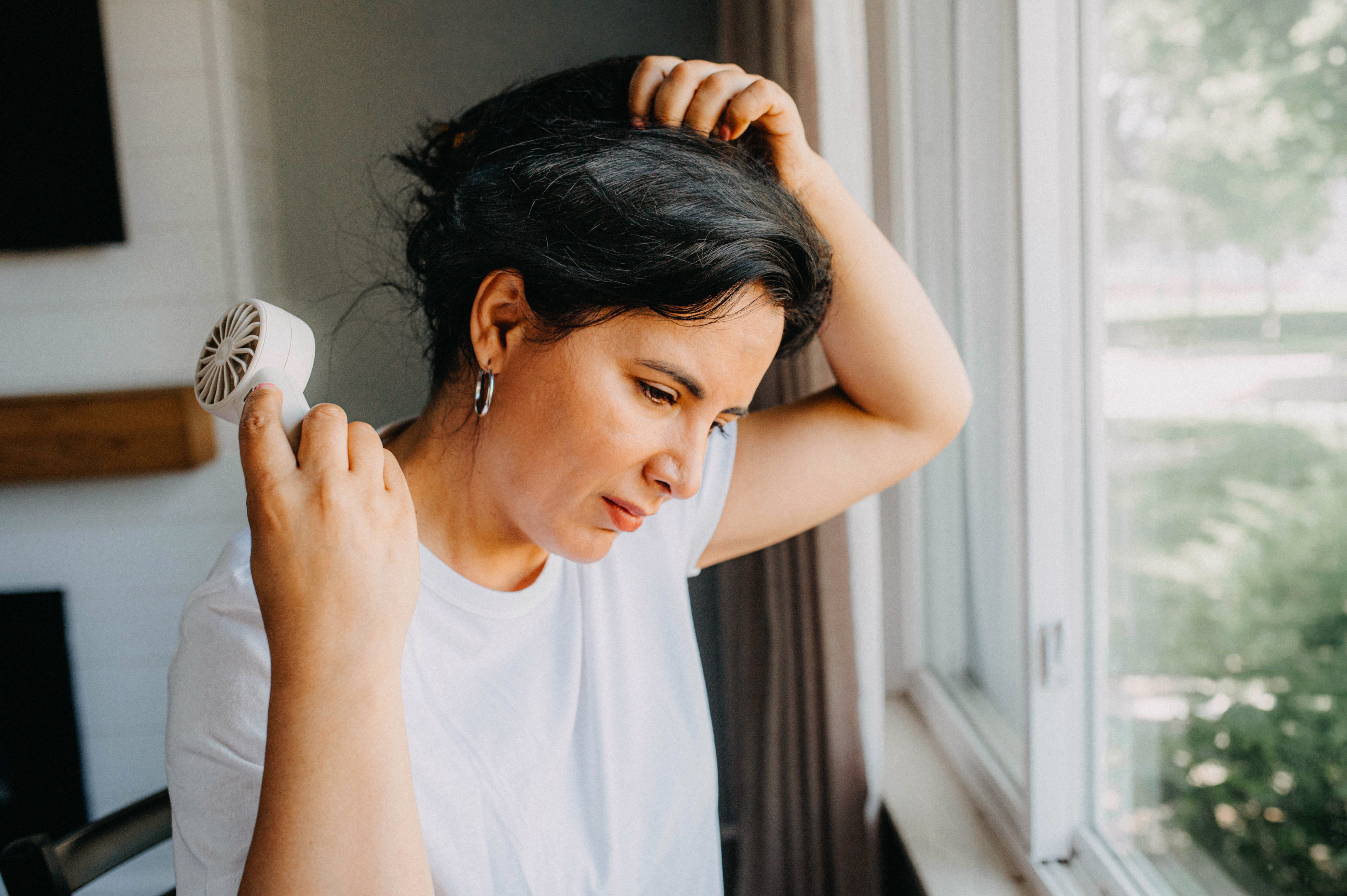
Women experiencing perimenopause and menopause deserve realistic expectations about what dietary changes can accomplish. According to the National Institute on Aging, most women going through menopause experience hot flashes at some point, and the long-running SWAN study found they lasted a median of about 7.4 years. That's a significant stretch of time, which makes the promise of relief through food alone understandably appealing—but also potentially misleading if we oversell what the science actually shows.
The evidence linking specific foods to hot flashes is mostly observational rather than definitive. Spicy foods are among the most commonly reported hot flash triggers, and a cross-sectional study found that frequent spicy food consumption was significantly associated with a higher likelihood of experiencing hot flashes, though it didn't prove cause and effect. Similarly, one review published in Maturitas noted that avoiding triggers such as alcohol and spices may help reduce hot flash frequency as a lifestyle measure for mild symptoms. One study of more than 1,800 women found that caffeine use was associated with more bothersome hot flashes and night sweats, specifically among postmenopausal women. These associations matter, but they're not proof.
The more promising research points to overall eating patterns rather than individual foods. A large prospective cohort study of Australian women found that a diet high in fat and sugar was associated with a higher risk of hot flashes and night sweats, while a Mediterranean-style diet was associated with a lower risk. That Mediterranean pattern—featuring vegetables, fruit, beans, whole grains, nuts, olive oil, and fish—shows genuine promise for reducing hot flashes and night sweats compared to diets high in fat and sugar.
Soy deserves particular mention because expectations often exceed evidence. One small randomized trial found that women who ate a low-fat vegan diet that included a half cup of cooked soybeans each day reported fewer and less severe hot flashes than women who didn't change their diet. However, the Menopause Society's 2023 review of nonhormone treatments concluded that the overall research on soy foods and supplements is too inconsistent to recommend them for hot flashes. Soy foods like edamame, tofu, and tempeh are nutritious protein choices worth trying, but don't expect miracles.
Here's what matters most: food isn't a cure, and diet works best alongside effective treatments—both hormonal and nonhormonal—not in place of them. The research is still growing, and much of it shows associations rather than proof. But trying small dietary tweaks is low-risk and good for your overall health regardless of their impact on hot flashes. If your symptoms are disrupting your sleep, work, or daily life, talk with your doctor. You deserve support tailored to your situation, not just hope on a plate.