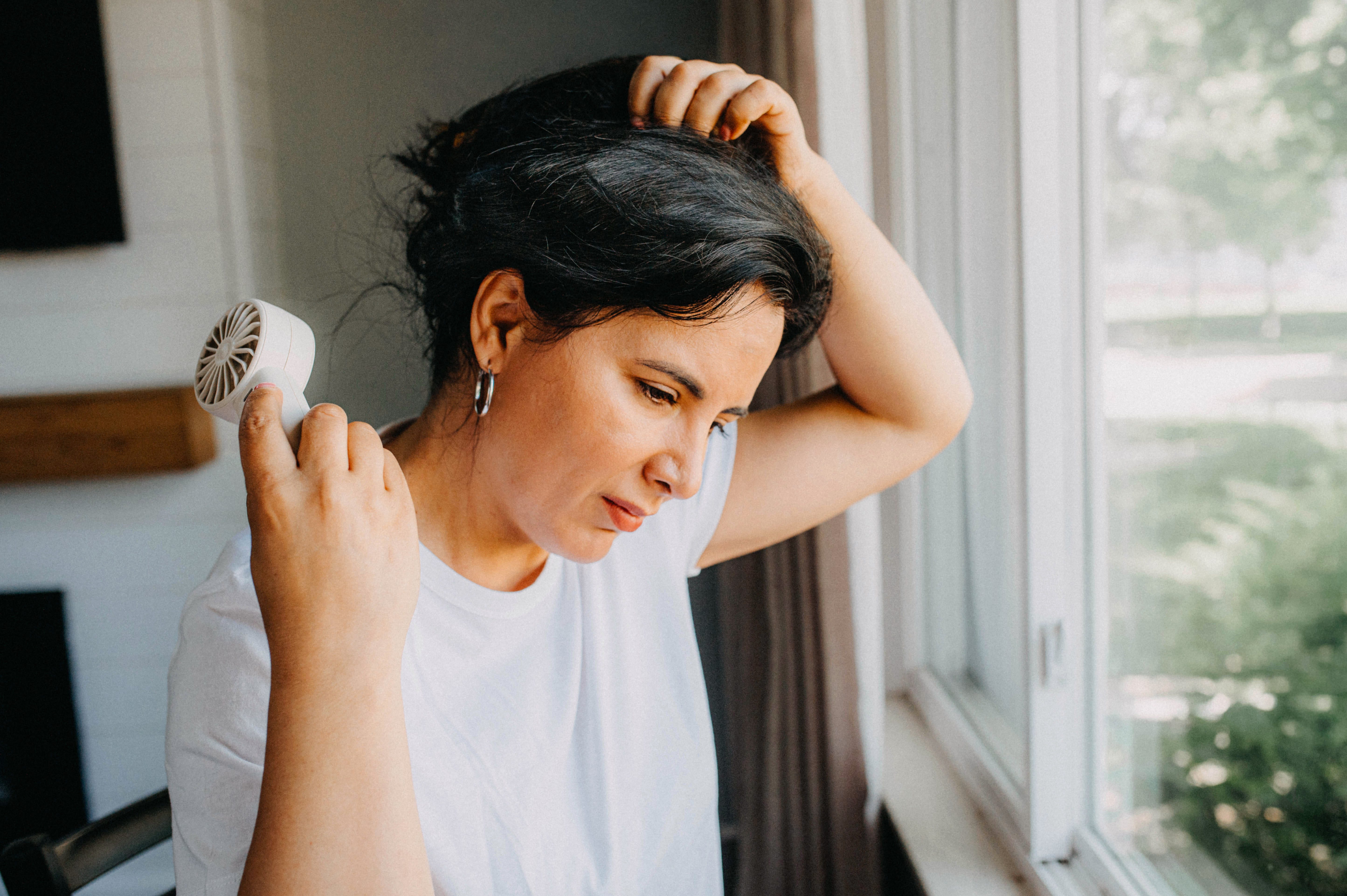
Spicy foods, alcohol, and caffeine may trigger hot flashes for some women, though most evidence comes from observational studies rather than controlled trials. A cross-sectional study found frequent spicy food consumption was significantly associated with a higher likelihood of hot flashes. One review in Maturitas noted that avoiding triggers such as alcohol and spices may help reduce hot flash frequency. A study of more than 1,800 women found caffeine use was associated with more bothersome hot flashes and night sweats among postmenopausal women.
A Mediterranean-style eating pattern has shown stronger evidence. A large prospective cohort study of Australian women found that a diet high in fat and sugar was associated with higher risk of hot flashes and night sweats, while a Mediterranean-style diet was associated with lower risk. That pattern includes vegetables, fruit, beans, whole grains, nuts, olive oil, and fish.
Soy contains isoflavones, plant compounds that act like a weak form of estrogen. One small randomized trial found women who ate a low-fat vegan diet including a half cup of cooked soybeans daily reported fewer and less severe hot flashes than women who didn't change their diet. However, the Menopause Society's 2023 review of nonhormone treatments concluded the overall research on soy foods and supplements is too inconsistent to recommend them for hot flashes.
No strong research shows that drinking more water prevents hot flashes, though keeping cold water nearby may provide comfort during a flash. Diet works best alongside medical treatments, not in place of them. If symptoms disrupt sleep, work, or daily life, talk with your doctor.