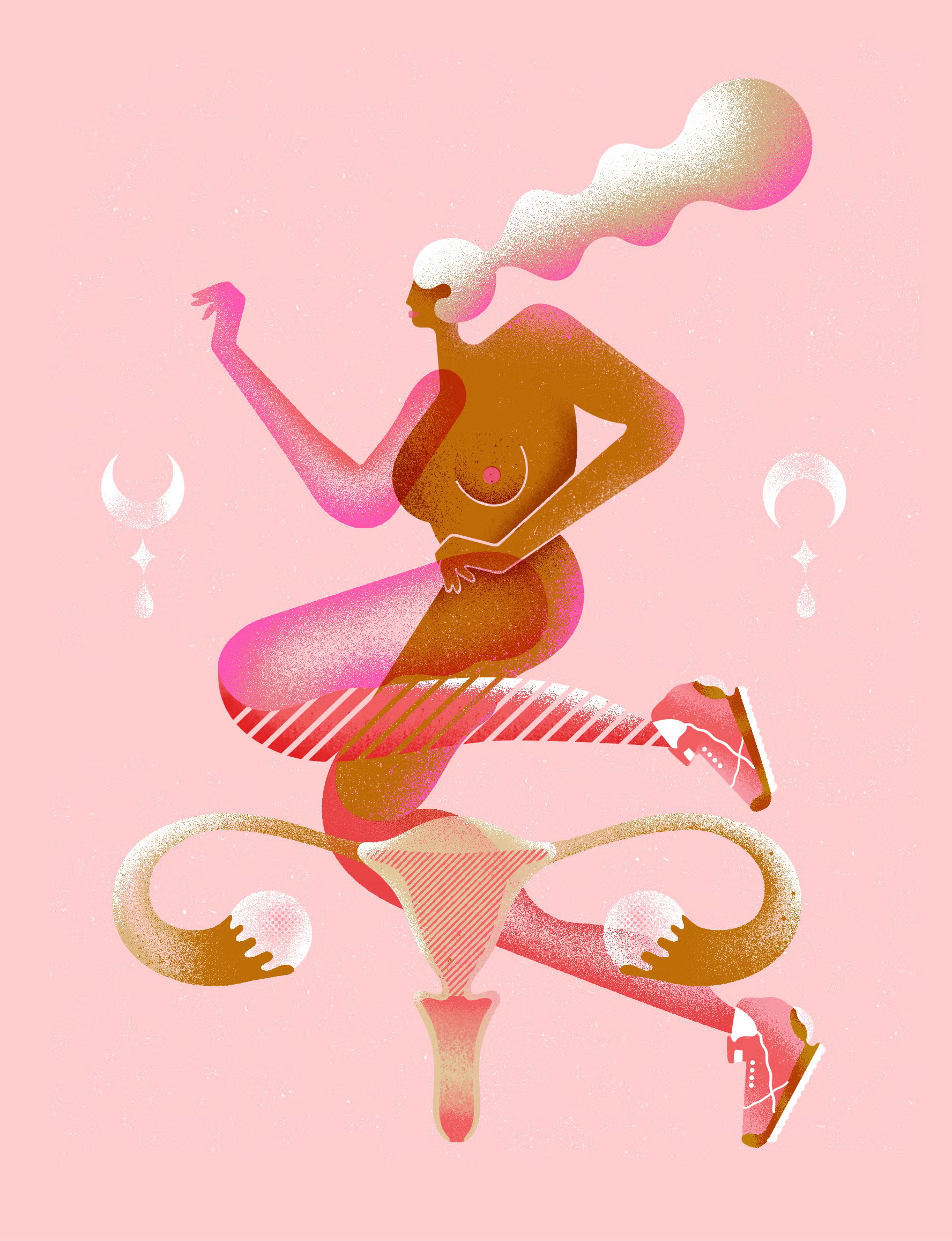
Kristine Kearns spent years being told her irregular periods resulted from running too much. Doctors advised her to eat more and suggested she try taking time off from distance training. None of this resolved her symptoms.
At 19, Kearns saw a new primary care physician who ordered blood tests and a pelvic ultrasound. The results showed polycystic ovary syndrome (PCOS), the most common endocrine disorder in people assigned female at birth of reproductive age, according to the American Journal of Obstetrics and Gynecology.
The National Institutes of Health requires two of the following for PCOS diagnosis: ovulatory dysfunction (irregular, heavy, or missed periods), high androgen levels (often manifesting as excessive body hair or acne), and one or more cysts on the ovaries. Besides irregular menstruation, PCOS can cause infertility and weight gain. Although there isn't a permanent cure, some patients treat symptoms through lifestyle management: eating well, exercising regularly, and getting enough sleep.
Kearns returned to running after her diagnosis. She also started taking an herbal supplement, moved to new living circumstances, and found a therapist. At 21, she began menstruating regularly each month. She has since run two half marathons while maintaining regular periods throughout each training cycle.
Kearns writes that she recently read research studies linking PCOS and emotional abuse and found "the last missing link" to understanding her condition. A 2022 health survey found that 29 percent of women and 21 percent of men felt doctors disregarded their worries during visits.