Automatic pardons for criminal records are now in force in England and Wales for women arrested or convicted for having illegal abortions. The change clears the names of more than 100 women, according to Labour MP Tonia Antoniazzi, who brought forward the decriminalisation amendment.
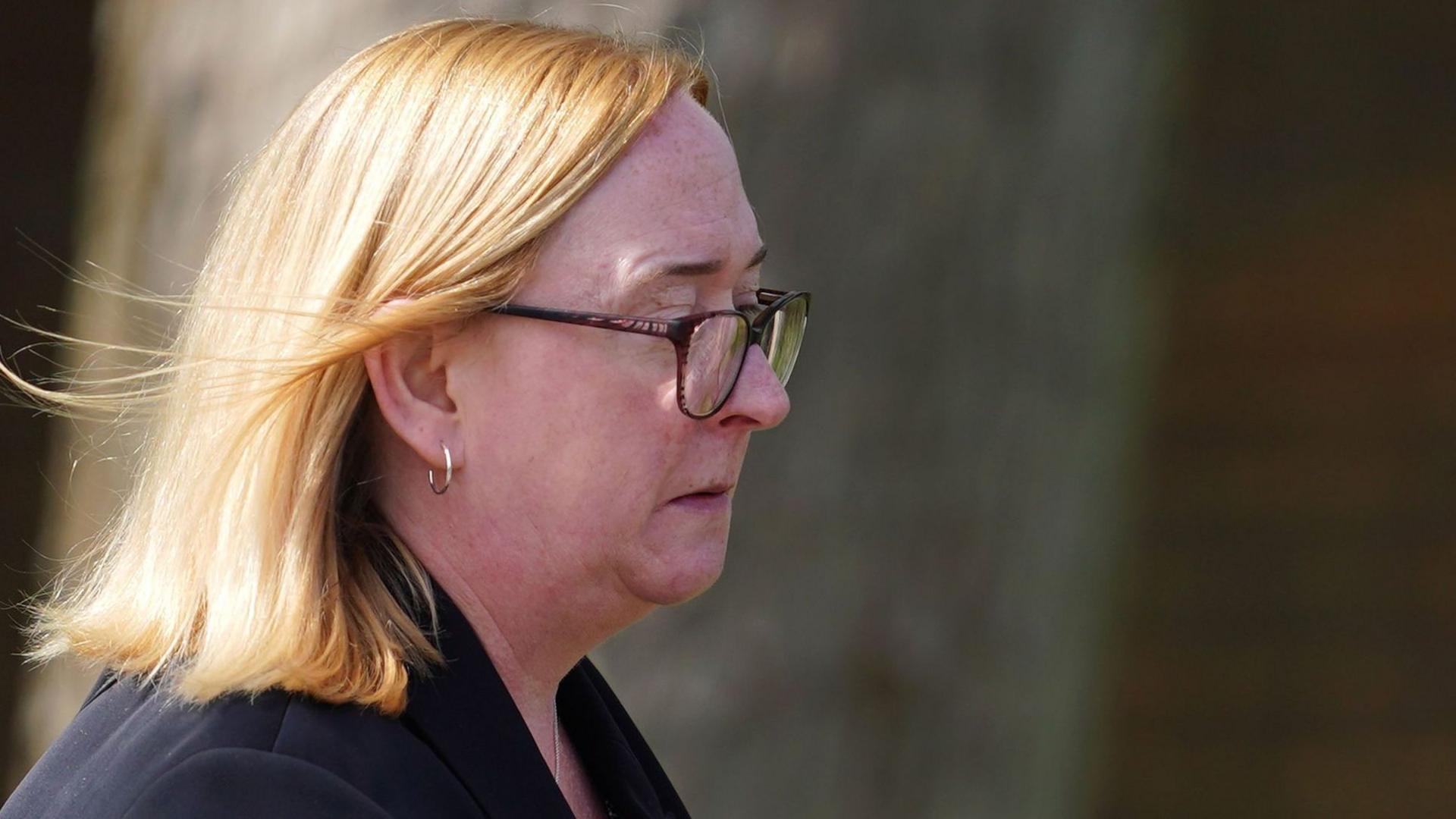
The case of Nicola Packer illustrates the impact of the now-repealed Victorian-era law. Packer, 41 at the time, took prescribed medication to end what she thought was an early pregnancy during a Covid lockdown in 2020. She did not realize she was approximately 26 weeks pregnant, far beyond the legal limit. After experiencing a stillbirth and going to hospital, police were called by staff. She was arrested and spent time in her hospital room recovering with two police officers present.
Packer's friend Helle Tumbridge told the BBC's Today Programme that Packer "had what's known as a cryptic pregnancy - that's when you don't have any sign of a pregnancy, no baby bump, no other symptoms." Prosecutors alleged Packer knew she had been pregnant for more than 10 weeks. She denied this. After five years of investigations, a jury unanimously acquitted her of "unlawfully administering to herself a poison or other noxious thing" with intent to procure a miscarriage.
Tumbridge said the whole incident was "incredibly traumatic" and that Packer "was treated appallingly" until justice was served. She added that "she'll live with that trauma for the rest of her life."
Minister Alex Davies-Jones said women affected do not need to take action to receive their pardon. They can find information online and contact a dedicated casework team.
Heidi Stewart from abortion care provider BPAS said: "While no pardon can undo the distress and trauma these women have experienced, this historic change in the law recognises the profound harm caused by their criminalisation and represents a meaningful step towards justice."
It is now no longer a criminal offence for a pregnant woman to terminate her own pregnancy at any stage.