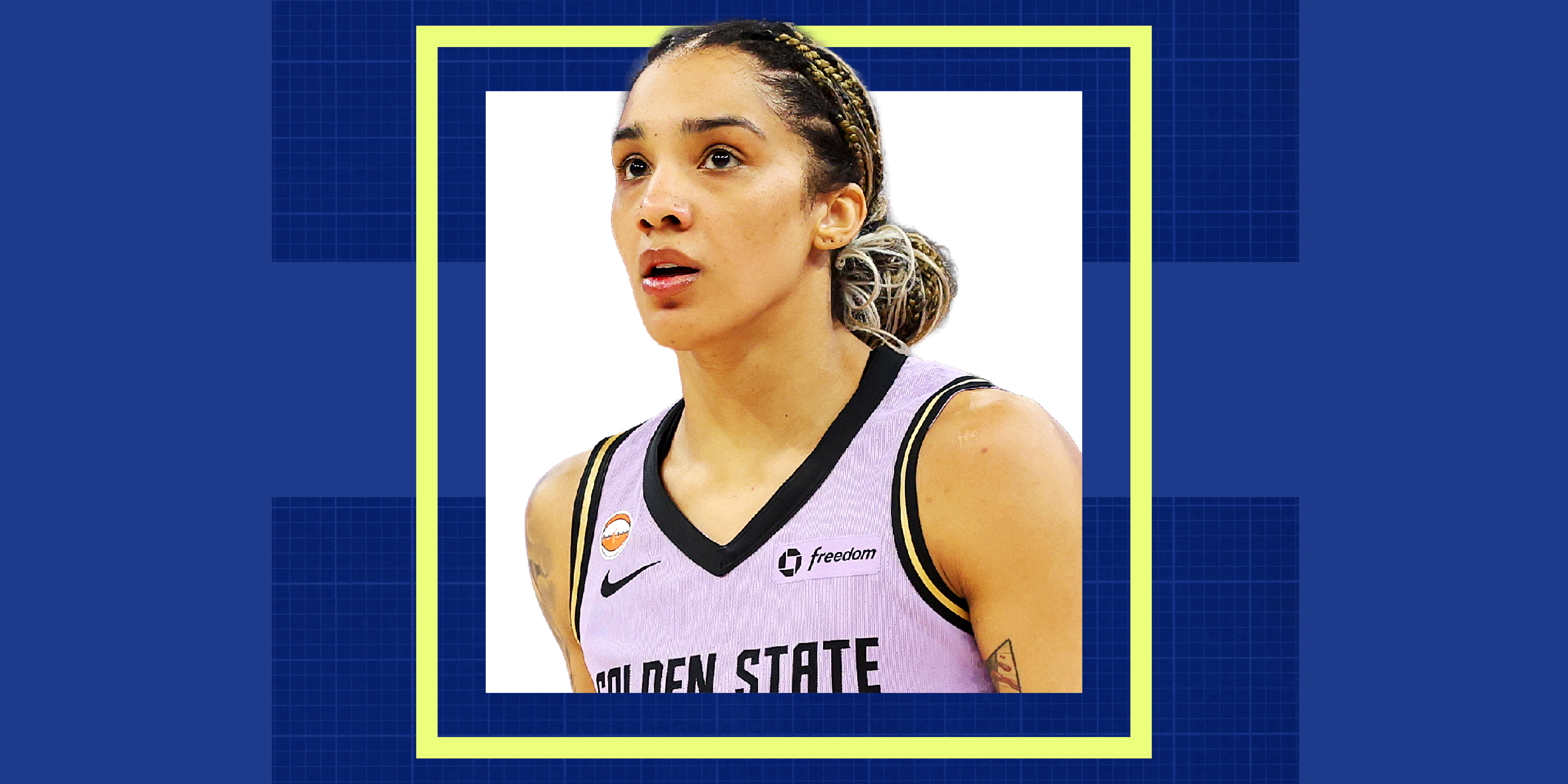
When Gabby Williams entered free agency and signed with the Golden State Valkyries earlier this year, something unprecedented happened in her career: someone asked what she wanted to do. The 30-year-old WNBA star, drafted by the Chicago Sky in 2018, had spent years accepting whatever role her teams needed her to fill. She earned the nickname "the French Army knife" for her versatility and willingness to adapt—whether creating opportunities or defending the paint. But this time was different. "I was proud to do whatever the team needed," Gabby recalls. "But it was nice to trust myself." That trust, both in herself and from her organization, led directly to her winning the WNBA Championship in 2026 and being named Finals MVP.
The Valkyries' decision to consult their star player about her preferences wasn't revolutionary—it should have been standard practice all along. Yet the fact that this represented the first time in Gabby's career that a WNBA team asked what she wanted speaks volumes about how professional sports organizations often operate. Players are frequently treated as interchangeable assets to be molded into whatever shape a coach or general manager decides, rather than as individuals with insights into their own strengths and aspirations. Gabby's championship run proves that when you trust players enough to listen to them, the results speak for themselves.
Beyond the championship, Gabby's story illustrates a broader principle about workplace culture and success. She says that her ability to compartmentalize—a lesson learned from her coaching team at the University of Connecticut—has been fundamental to her success in basketball. "Basketball is not life," she explains, crediting that philosophy with allowing her to maintain focus when it matters while building a life outside the sport. This balanced approach extends to her wellness routine, which prioritizes recovery through foam rolling, epsom salt baths, and Normatec compression therapy, alongside strategic training that emphasizes accessory work over heavy Olympic lifts to limit wear and tear on her body.
As Gabby prepares to debut in the Unrivaled league with Miami-based Laces BC, the three-on-three format will demand even more from her versatility. She's optimistic about the challenge, noting that "the personal development side is great" and that "players usually go on to have great W seasons after doing Unrivaled." But her real legacy may not be measured in championships alone. By speaking openly about what changed when the Valkyries simply asked what she wanted, Gabby Williams is sending a message to every professional sports organization: your players have valuable perspectives. Listen to them. The results just might be a championship.