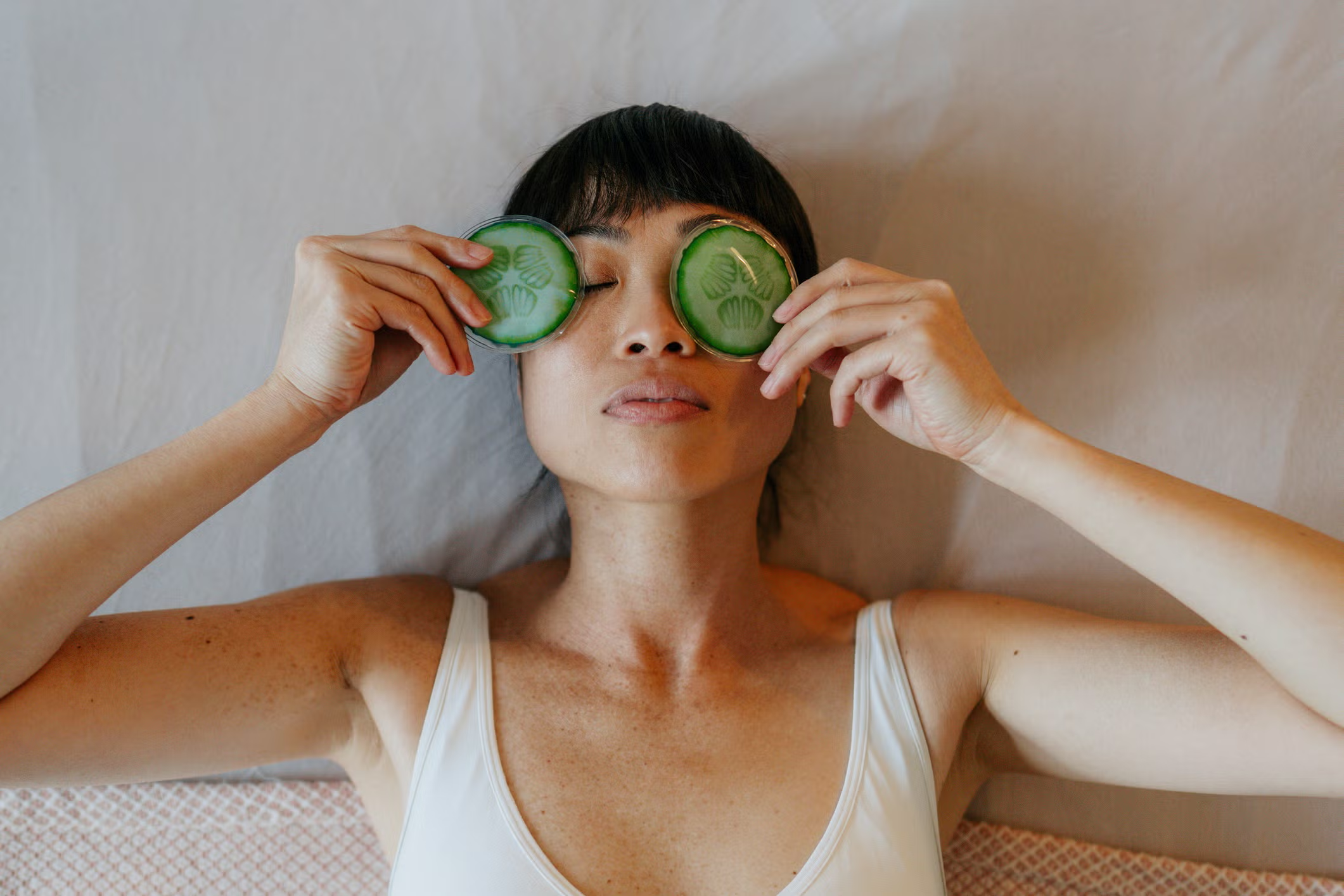
Puffy eyes result from extra fluid in the skin tissue around the eyes, according to Mona Gohara, M.D., a board-certified dermatologist at Yale School of Medicine. The skin in this area is very thin, so even small amounts of fluid cause noticeable swelling.
Several factors trigger puffiness. Lying flat overnight allows fluid to collect around the eyes, which is why puffiness is often worst in the morning. Insufficient sleep prevents the parasympathetic nervous system from balancing fluid and delivering nutrients to skin. Salty foods cause water retention. Alcohol dilates blood vessels and worsens inflammation. Allergies release histamine, making tiny blood vessels leakier and allowing fluid into surrounding tissue. Sinus infections and colds cause inflammation and congestion. Hormonal fluctuations, especially around menstruation, can change how the body handles salt and water. Eye cream ingredients, fragrances, or preservatives may irritate skin and worsen puffiness if applied overnight.
Dr. Gohara distinguishes between fluid-related puffiness and under-eye bags. Puffiness from fluid retention is temporary and worst in the morning, improving throughout the day as gravity drains excess fluid. Under-eye bags develop when supporting tissues weaken and fat bulges forward, an age-related issue that becomes more permanent.
To reduce puffiness, get seven hours of sleep, avoid salty foods, and sleep with your head elevated on a supportive pillow rather than face-down. Cold temperatures help by constricting blood vessels and reducing inflammation. Dr. Gohara recommends chilled cucumber slices, chilled black or green tea bags (which contain caffeine for additional vasoconstriction), cold water rinses, cold eye rollers, or refrigerated hydrogel eye masks. Gentle massage over the area helps move fluid to other blood vessels for drainage. Topical caffeine and anti-inflammatory ingredients like aloe, cucumber, and licorice root extract may help, though the cold temperature provides the primary benefit.