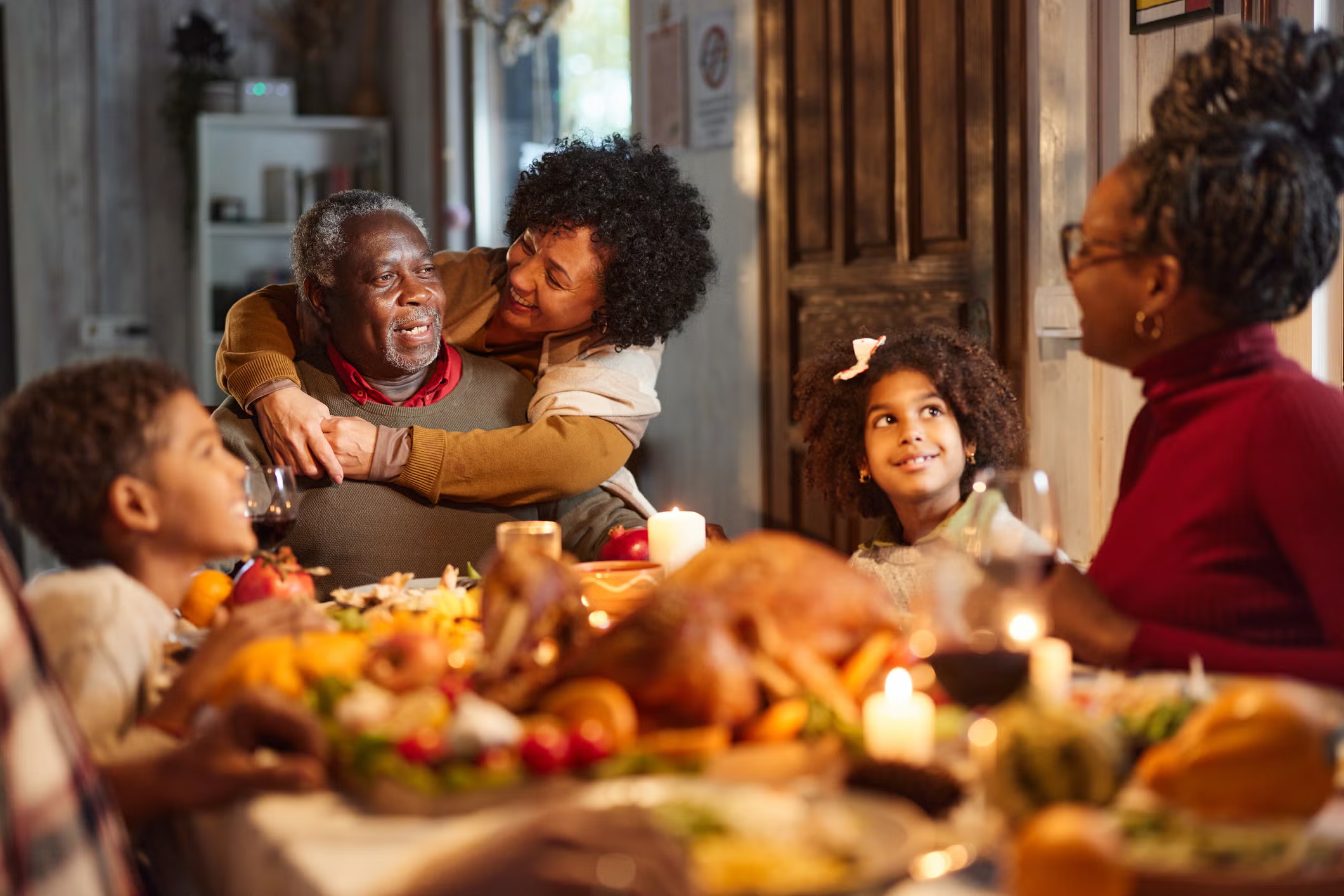
People taking GLP-1 medications like Ozempic and Mounjaro face distinct challenges during the holidays because food and drink play a central role in celebrations, according to Suma Gondi, M.D., assistant professor in the division of endocrinology, diabetes, and bone disease at Mount Sinai.
Schedule medication refills before traveling and bring an extra dose in case something gets lost, Dr. Gondi recommends. Injectable GLP-1s must stay refrigerated during travel. If flying, keep medications in carry-on luggage in original packaging, and consider bringing a copy of your prescription or doctor's note.
Travel can worsen dehydration and constipation, both risks associated with GLP-1s. Dr. Gondi suggests drinking plenty of water, minimizing alcohol, caffeine, and sugary drinks, and hitting daily fiber goals from vegetables and whole grains.
Experts generally caution against skipping doses during the holidays. Dr. Robyn Liu, M.D., M.P.H., a family physician in Portland, Oregon, notes it's often easier to work with the medication's effects rather than trying to override them. Missing a dose does not guarantee your appetite will change, Dr. Gondi says, and side effects may worsen when you restart.
The main holiday risk is actually undereating rather than overeating, Dr. Gondi warns, since GLP-1s reduce appetite and potentially limit intake of protein and fiber. She suggests prioritizing protein, nutrient-dense whole foods, fluids, and small regular meals, and avoiding fasting before big meals.
David Cummings, M.D., professor of medicine at the University of Washington School of Medicine, explains that GLP-1s slow gastrointestinal movement, which can cause nausea if food backs up in the stomach or constipation if it backs up lower. Fatty, greasy, and spicy foods can worsen these side effects.
Nothing is off-limits, but moderation matters. Dr. Gondi says the key is balance. Dr. Liu recommends taking small portions of different foods, sitting with family, and staying hydrated between bites.
If you experience vomiting, inability to keep fluids down, or severe abdominal pain, call your provider, Dr. Liu says. These symptoms could indicate gallbladder or pancreas problems.
Alcohol may affect you differently on GLP-1s. Dr. Gondi notes you may feel intoxicated faster or experience worse hangovers. Dr. Cummings adds that GLP-1s may also reduce your desire for alcohol, so there's no need to force yourself to drink.