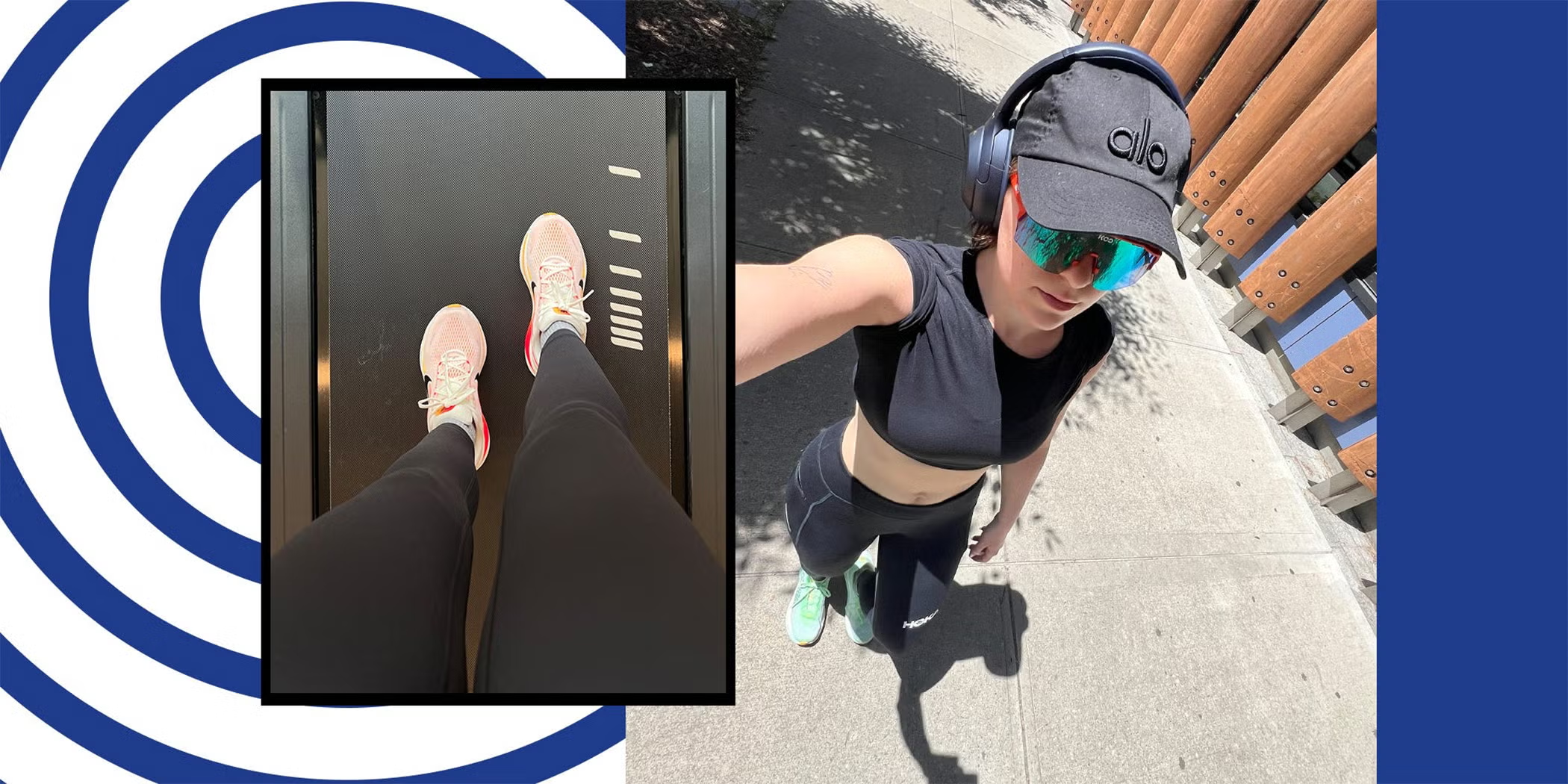
A journalist ran three miles daily for 21 days and tracked the physical and mental effects. By week two, she fell asleep faster and woke more rested. Research in the American Journal of Lifestyle Medicine supports that moderate aerobic exercise like running improves sleep quality and helps people fall asleep quicker.
During runs, she found time to process stress. Problems that felt overwhelming before the run seemed less burdensome afterward, and she returned with more patience and better problem-solving ability. She describes her run as a reset button that made her less irritable and more focused.
Her lower body adapted noticeably. Her calves and quads became more defined, and climbing stairs felt easier, despite not doing strength training during the three weeks. She was surprised by these physical gains since she already exercised regularly before the challenge.
The daily habit shifted her relationship to running. A study in Psychology of Sport and Exercise found that consistency in movement creates more positive attitudes toward the habit, making people more likely to continue. By day six, she was getting ready to run instinctually. By week two, she was running at her target pace without deliberation.
Her self-talk changed most significantly. Instead of fixating on time remaining or discomfort, she started celebrating small wins like not stopping on hills or picking up pace at the end. This more positive internal dialogue extended beyond running to how she talked to herself throughout her day.
The running habit triggered a cascade of other choices. She reached for water instead of extra coffee, stretched at night, prioritized protein, and went to bed earlier. These changes felt intuitive rather than forced.
Run coach Corky Corkum, CPT, recommends that new runners alternate running days with walking or strength training to prevent injury and burnout. Corkum notes that doing too much too soon is the leading reason new runners quit.