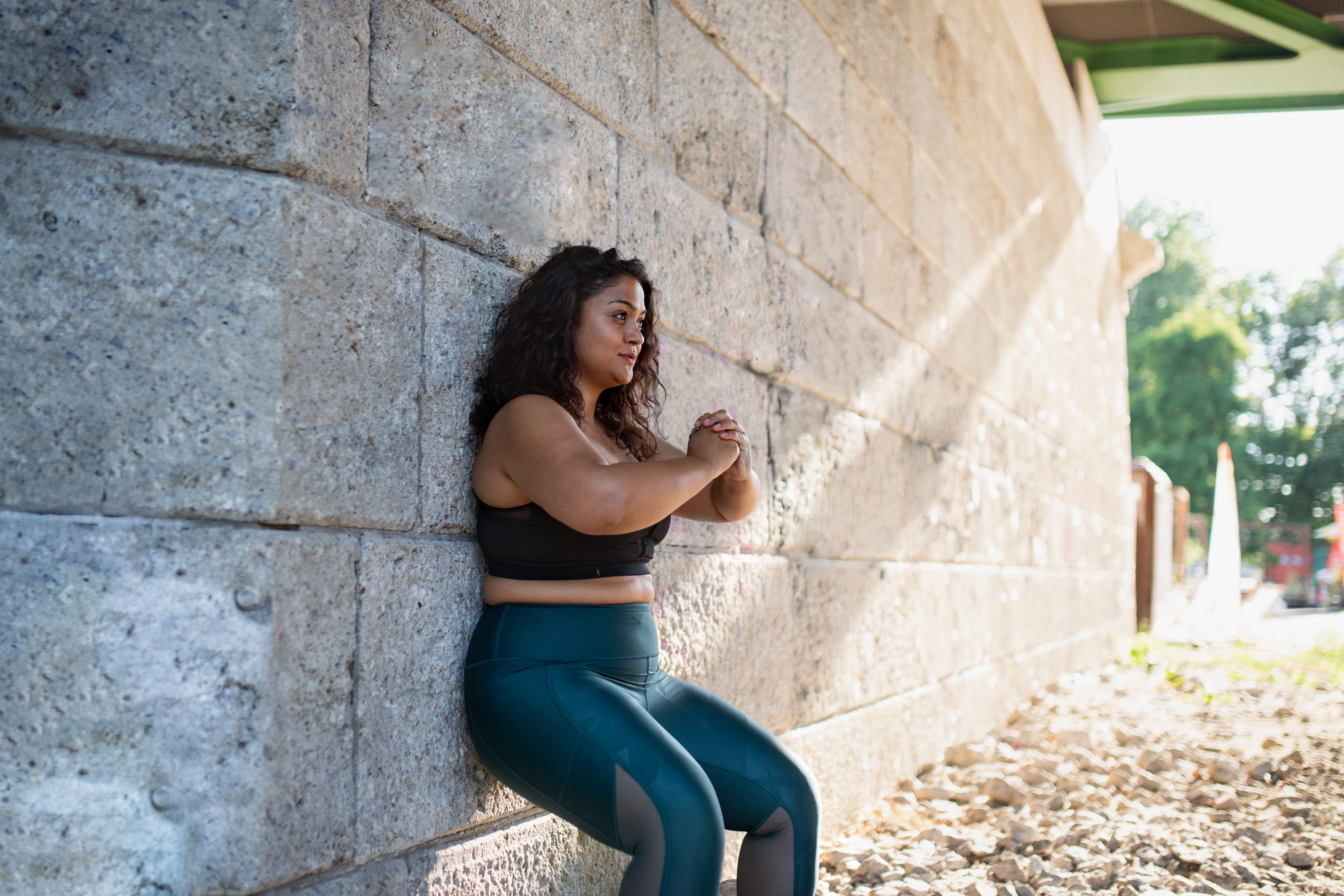
A recent study published in BMJ Open Sport & Exercise Medicine found that isometric exercises, or static moves like wall-sits and planks, lowered blood pressure within four weeks.
Researchers studied two four-week phases. In the first phase, all participants performed wall-sits three times per week, holding a position with their back against a wall and knees bent as if sitting in a chair, with two minutes of rest between sets. In the second phase, some groups continued three sessions weekly, others reduced to one or two sessions, and one group stopped exercising.
All groups that completed the first four-week phase showed blood pressure improvements. Those who maintained three sessions weekly saw the largest benefit, with an average reduction of 13 mmHg in systolic blood pressure. Groups that cut back to one or two sessions weekly lowered systolic pressure by 6.56 to 6.95 mmHg but showed signs of improvement declining. Only the group that stopped exercising completely returned to baseline.
Kevin Shah, M.D., a board-certified cardiologist at MemorialCare Heart & Vascular Institute at Long Beach Medical Center, explains that these exercises offer an accessible alternative for people who struggle to find time for longer workouts. "Relatively simple exercises, which require little time or equipment, may help lower resting blood pressure," he says.
Anna Di, D.C., C.E.S., a corrective exercise specialist and chiropractor in New York City, notes that isometric exercises work by improving how efficiently the heart functions and how blood vessels respond to blood flow changes. She also cautions against holding your breath during these exercises, as this can cause blood pressure to rise significantly.
Consistency proved important. The study showed that participants who stopped exercising lost most benefits, while those who reduced frequency maintained some improvements. Di recommends varying exercises rather than relying solely on isometrics. "Our muscles aren't meant to stay in one position forever," she says.