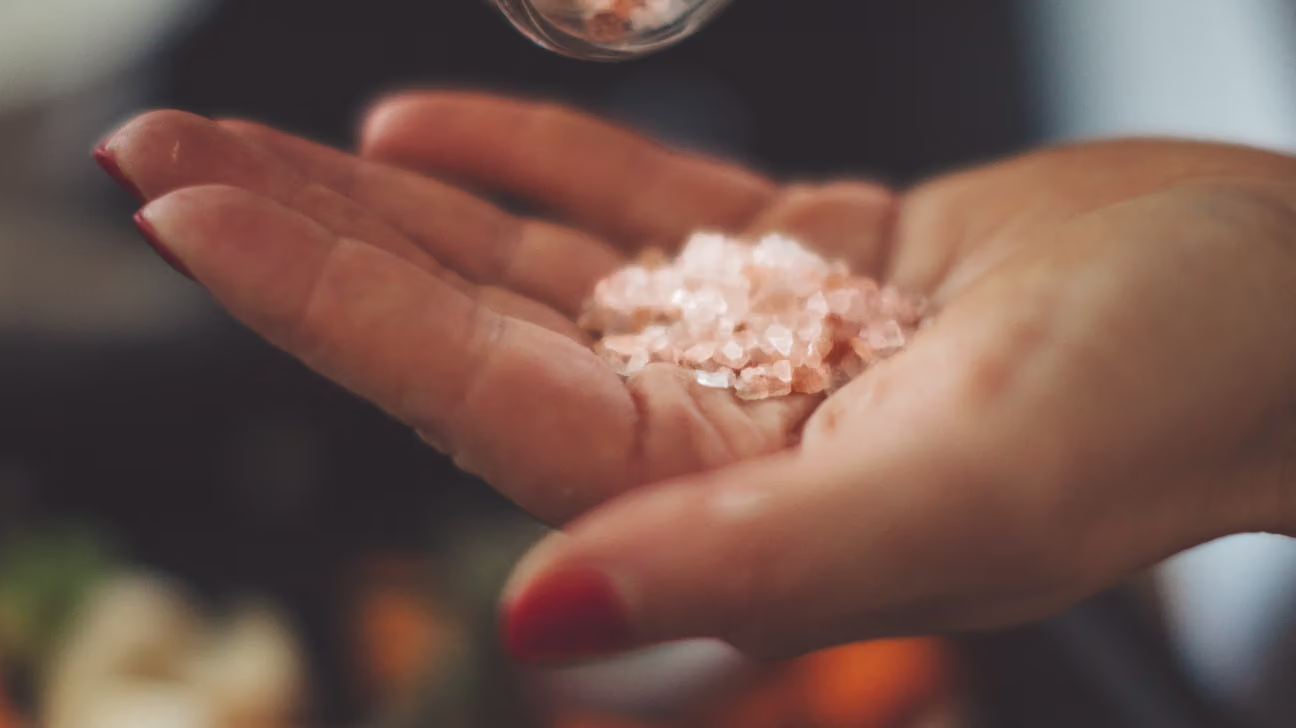
Researchers at The George Institute for Global Health modeled what would happen if 193 countries switched from regular table salt to potassium-enriched salt. The study, published in Nature Health on November 4, found the change could prevent nearly 3 million deaths and more than 10 million new cases of heart and kidney disease worldwide each year.
In the United States, the researchers estimated the switch could prevent nearly 105,000 deaths and about 492,000 new cases per year.
Potassium-enriched salt replaces some sodium chloride with potassium chloride. The researchers modeled a blend of 75% sodium chloride and 25% potassium chloride. The two minerals work differently in the body. Sodium causes water retention and increased blood pressure, while potassium helps the kidneys remove sodium and lowers blood pressure, according to Cheng-Han Chen, MD, a board certified interventional cardiologist at MemorialCare Saddleback Medical Center.
A 2021 trial in northern China involving about 21,000 people found that those using potassium-enriched salt had a 14% lower risk of stroke, a 13% lower risk of cardiovascular events, and a 12% lower risk of early death compared to those using regular salt. The World Health Organization endorsed potassium-enriched salt in a 2025 guideline, saying it can reduce blood pressure and cardiovascular disease risk.
Liping Huang, PhD, a senior data analyst at The George Institute, noted that potassium-enriched salt tastes "about the same as a regular table salt." She added that reducing salt intake is difficult, but replacing part of the sodium chloride with potassium chloride is easier for most people.
Most Americans consume over 3,000 mg of sodium daily, well above the recommended limit of 2,300 mg per day. Chen said blood pressure can begin to improve within 1 week of cutting back on sodium, with full benefits typically taking up to 4 weeks.
People with advanced chronic kidney disease should avoid potassium-enriched salt. When kidneys don't work well, the body may not clear extra potassium efficiently, which can lead to hyperkalemia, or high potassium levels in the blood. Huang cautioned that among people with stage 3 to stage 5 kidney disease, switching to salt substitutes could prevent about 750,000 deaths a year from lower blood pressure but cause about 100,000 deaths annually from hyperkalemia. The American Heart Association recommends that people with kidney disease or those taking medications that affect potassium check with a healthcare professional before using these products.
Potassium-enriched salt is available at major U.S. grocery chains including Kroger, Walmart, and Publix. Products include Morton Lite Salt, which blends sodium and potassium chloride in a 50/50 ratio, and sodium-free options like NoSalt and Morton Salt Substitute. Potassium-enriched salt typically costs about twice as much as regular salt.