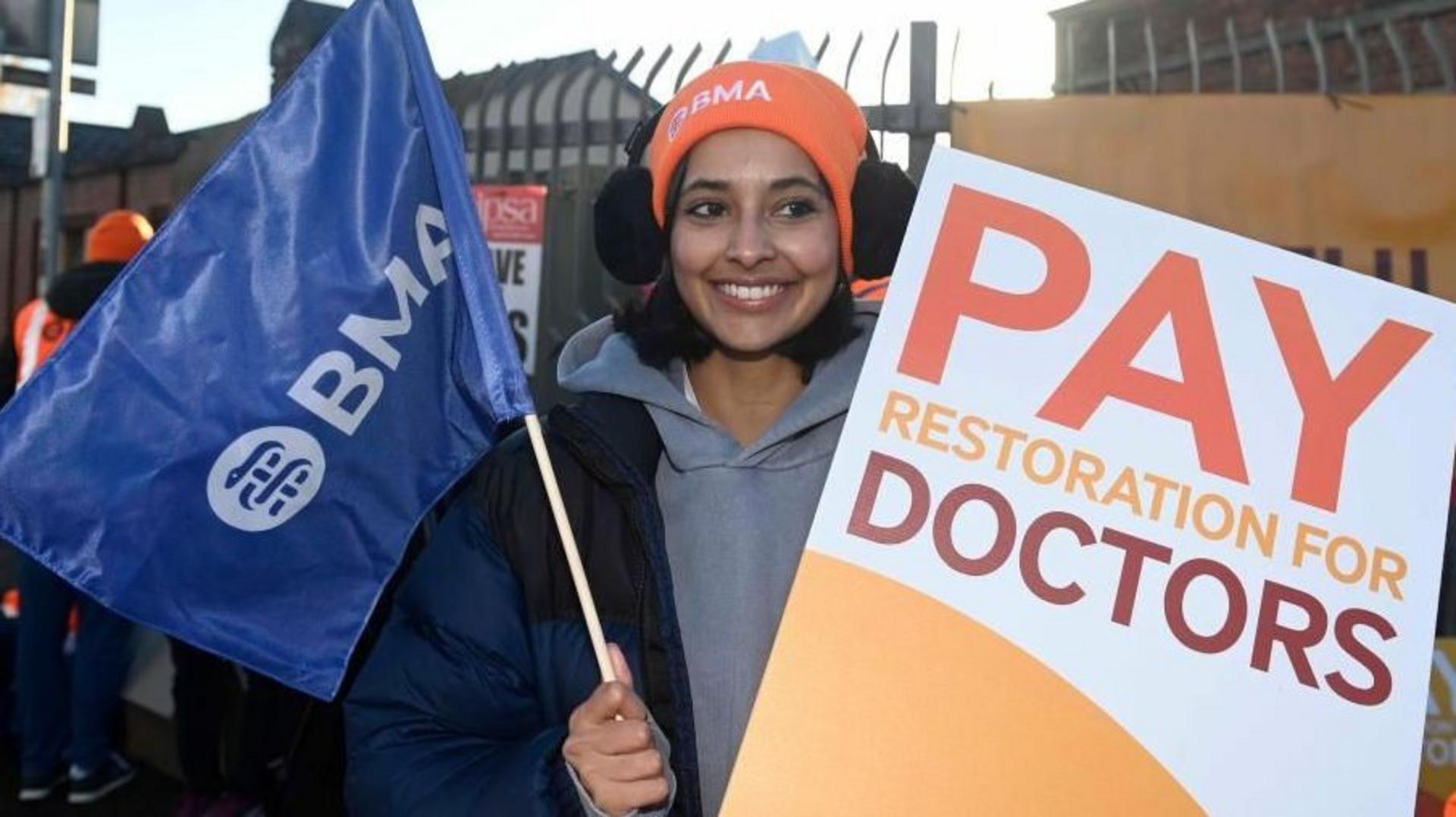
As resident doctors in Northern Ireland ended their 24-hour strike on Saturday and consultants prepare to walk out on Monday, Health Minister Robbie Butler continues to miss the forest for the trees. His assertion that he cannot implement the recommended 3.5% pay rise without sufficient departmental funding is not a constraint—it's an indictment of Stormont's priorities. The British Medical Association's demand to restore doctors' pay to 2008 levels is not unreasonable; it is a cry for parity that reflects years of systemic underinvestment in those who keep Northern Ireland's health service functioning.
Consider the human cost Minister Butler glosses over. Dr Seamus Crumley took a pay cut when he moved from Scotland last year despite securing a more senior role. Dr Oisín Fearon is actively registering to train in the Republic of Ireland while keeping his options open. These are not disgruntled malcontents—they are talented physicians considering leaving because Northern Ireland cannot afford to value their work. When the BMA says 'years of below-inflation pay rises have made it harder for Northern Ireland's health service to recruit and retain doctors,' they are describing a death spiral, not a negotiating position.
The minister's attempt to reframe the issue as a matter of fairness to nurses, teachers, and police officers is a rhetorical sleight of hand. He points to cumulative pay rises averaging 30% for resident doctors over three years as evidence of generosity, yet fails to acknowledge these rises barely approach inflation rates or restore what was lost over the previous decade. Butler claims going beyond 3.5% would have 'significant repercussions for the entire public sector workforce,' but that logic works in reverse: refusing adequate investment in doctors sends a message to all healthcare workers that Northern Ireland's government does not prioritize their well-being.
The strikes will cancel routine hospital and elective services on Monday and affect countless more outpatient appointments, as they did during similar strikes in June when more than 2,200 appointments were cancelled. These disruptions are real consequences for real patients. But the actual consequence of inaction—doctors leaving Northern Ireland permanently—will dwarf these temporary cancellations. Dr Steven Montgomery is correct that his colleagues face burnout and emotional distress. No amount of rhetorical balancing against other sectors changes that reality.
Minister Butler says he intends to implement the recommended award 'as soon as possible,' but that is insufficient. The BMA is not demanding lump-sum payment; they explicitly want a plan to restore pay over time. That is a reasonable compromise. What is required now is not more meetings or financial excuses, but a concrete commitment from Stormont to fund healthcare adequately. Without it, Northern Ireland will continue losing doctors to Scotland, England, the Republic of Ireland, Australia, and anywhere else they can rebuild the careers and compensation that should have been theirs all along.