Stephen Canfield, M.D., an allergist at ColumbiaDoctors Midtown in New York City, explains that low humidity causes dry eyes, cracked lips, and irritated sinuses. For people with asthma, allergies, or sinus congestion, dry air can worsen symptoms.
Brendan Camp, M.D., a dermatologist at MDCS Dermatology in New York, notes that dry air increases water loss from skin, leaving it tight, itchy, or flaky. Humidifiers add moisture back into the air to limit water loss and support the skin's natural moisture barrier.
Ramneek Nakai, D.O., a board-certified allergist and immunologist at Schweiger in Smithtown, NY, recommends evaporative cool mist humidifiers for people with allergies. These resist over-humidifying rooms and use wicking filters that trap minerals and impurities.
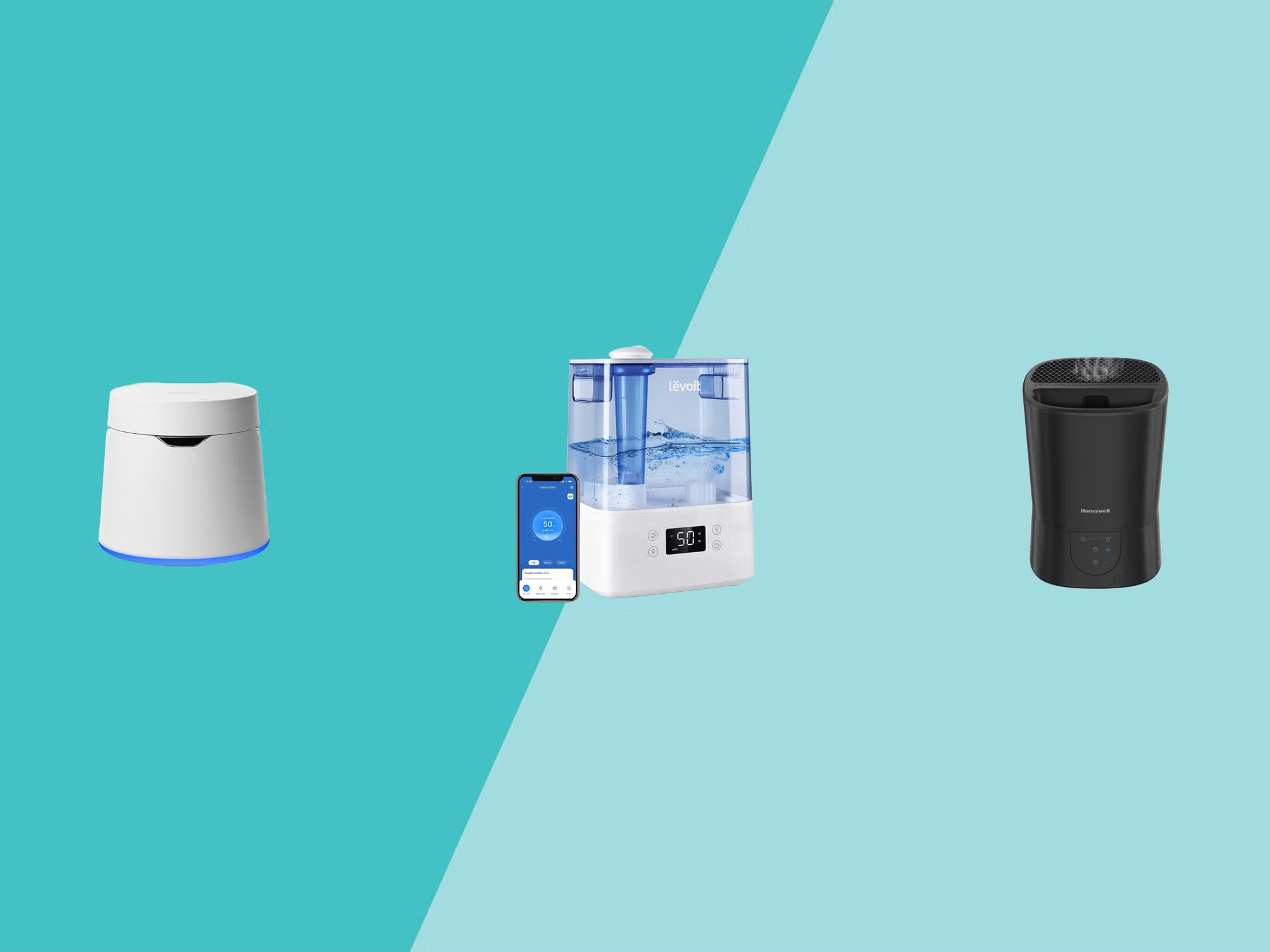
The Levoit humidifier provides up to 60 hours of continuous mist with four mist levels and a smart sensor that maintains target humidity. The 6-liter tank suits overnight use. Prevention editor Allie Early reported the large tank is long-lasting and easy to use, with no leaking issues.
The Pure Enrichment humidifier costs $30 and fits small bedrooms or offices up to 250 square feet. It has a 1.7-liter tank, whisper-quiet operation, two mist settings, and auto shut-off.
The Carepod One Plus has a stainless steel water tank and dishwasher-safe design to prevent mold and bacteria growth. Prevention's Charlotte Finigan wrote it is the easiest to clean with no mold buildup.
The BlueAir humidifier uses evaporative technology with an anti-microbial wick filter that traps minerals and pollutants without visible mist or mineral residue. It has a UV filter, dishwasher-safe parts, and an app alert for filter replacement every six months.
The Canopy Bedside Humidifier 2.0 uses evaporative technology suited for dry skin. It includes a MERV 5 pre-filter, dimmable red light, aroma diffusion, and three soundscapes. Dr. Camp recommends it for winter skin hydration. The filter requires replacement every 45 days.