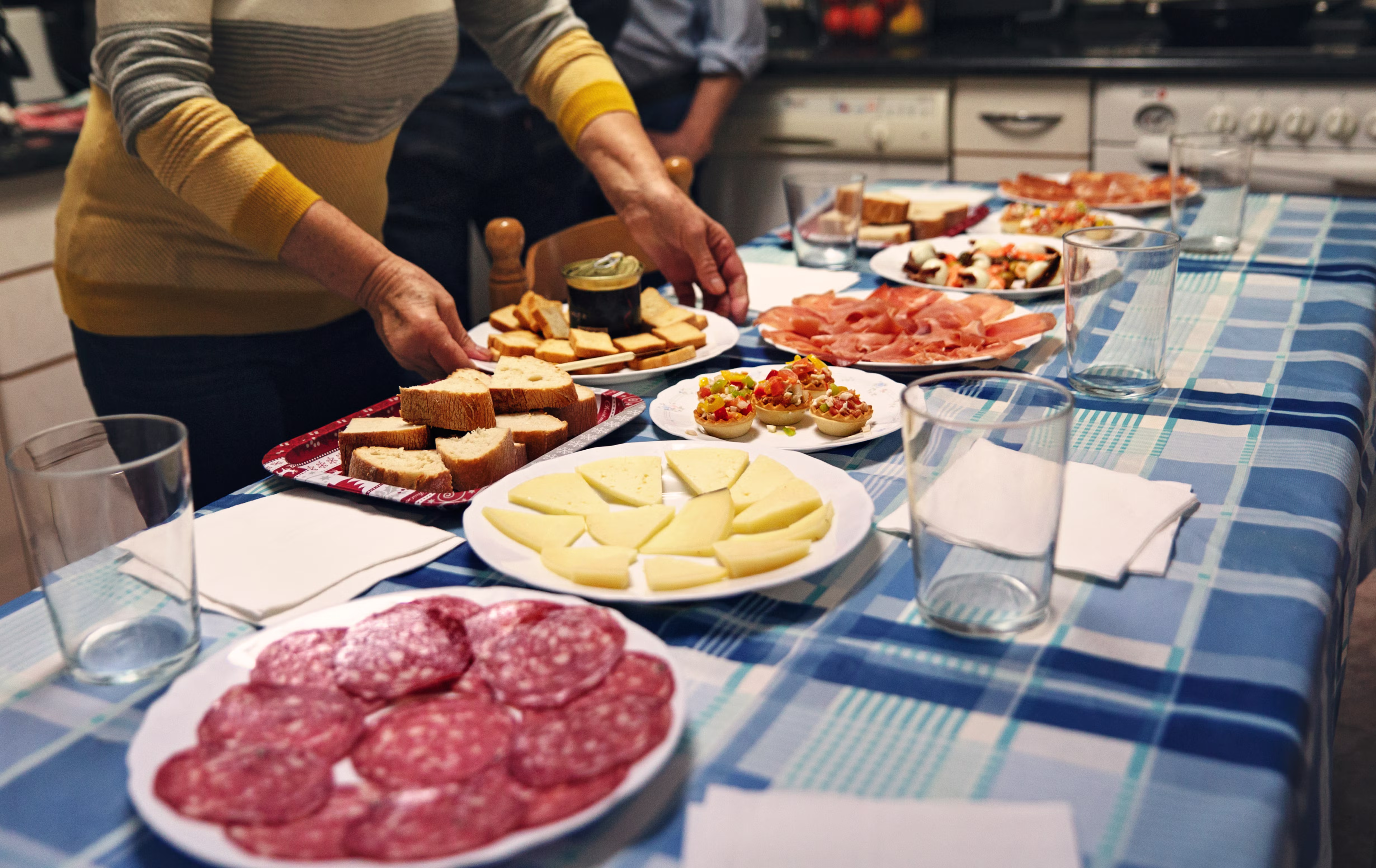
Bill Sullivan, Ph.D., a professor of microbiology and immunology at Indiana University School of Medicine, says the most common food safety mistake at holiday dinners is leaving food out for the entire gathering.
Food enters the temperature danger zone between 40°F and 140°F, where harmful bacteria multiply most rapidly. Dr. Sullivan notes that leaving food at room temperature for more than two hours generally puts it in that unsafe range, though this can vary depending on your home's temperature.
Foodborne illness from improperly stored food can cause stomach cramps, nausea, vomiting, fever, and diarrhea, according to the Centers for Disease Control and Prevention. People over 65, children under 5, those with weakened immune systems, and pregnant people face more serious risks.
Some common workarounds don't actually work. Storing food outside on an icy windowsill or deck may warm up from sunlight and temperature fluctuations. Items left out of sight can also attract animals and their germs, Dr. Sullivan says.
Certain shelf-stable, low-moisture foods like nuts, crackers, and cookies can stay out all evening. But perishable items with high moisture content, including crudités, dips, and pickled olives, must move to the fridge after two hours. Reheating isn't always sufficient either, as some bacterial toxins resist heat, Dr. Sullivan explains.
Pies require particular care. Store-bought fruit pies with high sugar and acid content can sit out about two days. But pies containing eggs, dairy, or vegetables, such as pumpkin, sweet potato, custard, cream, and pecan varieties, should go in the refrigerator until ready to serve.
Dr. Sullivan suggests recruiting friends and family to bring dishes rather than preparing everything yourself, reducing the burden of managing food safety across multiple items.