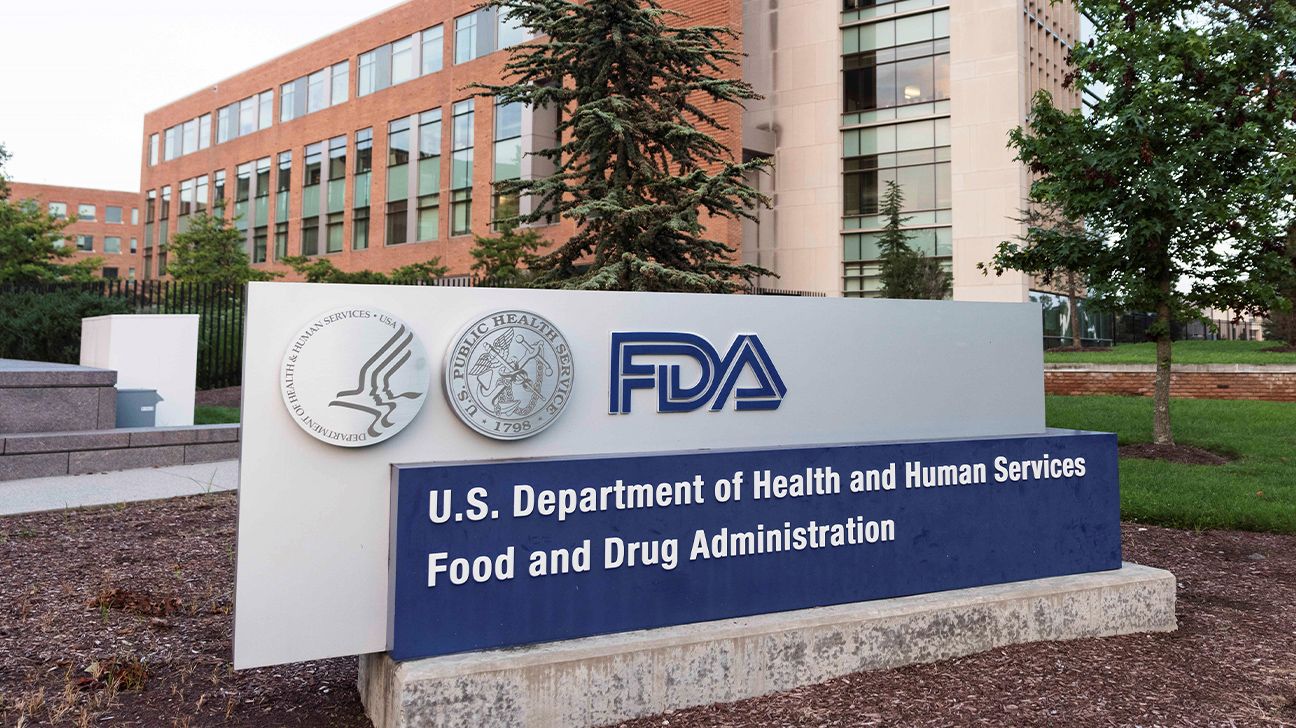
The FDA faces pressure to relax oversight of compounded peptides, a class of drugs increasingly popular in anti-aging and fitness communities. This move contradicts safety warnings from the agency's own scientists and external experts who have documented contamination, mislabeling, and adverse effects in peptide products.
Compounded peptides like BPC-157, TB-500, and various growth hormone-releasing peptides are manufactured by specialized pharmacies outside the standard pharmaceutical approval process. While the FDA permits compounding under strict conditions, these medications remain unapproved for human use and lack rigorous safety testing. Users report seeking them for muscle growth, injury recovery, and longevity claims.
The proposed regulatory shift comes as demand for peptides explodes within wellness circles. Practitioners and clinics marketing these compounds argue current restrictions limit patient access. However, safety data tells a different story. Reports document contaminated batches, incorrect dosing information, and adverse reactions including allergic responses and infections. The lack of standardized manufacturing means consumers cannot verify product quality or purity.
FDA scientists have warned that loosening restrictions could accelerate these problems. Without enforcement of manufacturing standards and product testing, patients face unknown risks. The agency currently handles compounding through state pharmacy boards, creating inconsistent regulation across the country.
This regulatory debate reflects a broader tension in American healthcare. Compounding pharmacies fill genuine gaps for patients needing customized medications. Yet peptides occupy murky territory: they're marketed as wellness tools rather than pharmaceuticals, sold through direct-to-consumer clinics, and promoted on social media with unsubstantiated longevity claims.
Consumers considering peptides should understand current realities. These products operate in a largely unregulated space. Medical supervision from a qualified physician familiar with peptides offers some protection, but buyers cannot guarantee product authenticity or safety regardless of source. The FDA's upcoming decision will reshape