# GLP-1 Drugs Show Promise in Treating Sleep Apnea When Combined With Standard Therapy
GLP-1 receptor agonists, a class of medications including semaglutide (Ozempic, Wegovy) and tirzepatide (Zepbound, Mounjaro), may improve obstructive sleep apnea symptoms when used alongside continuous positive airway pressure (CPAP) therapy, according to emerging research. This finding opens a new treatment avenue for millions struggling with a condition that disrupts breathing during sleep.
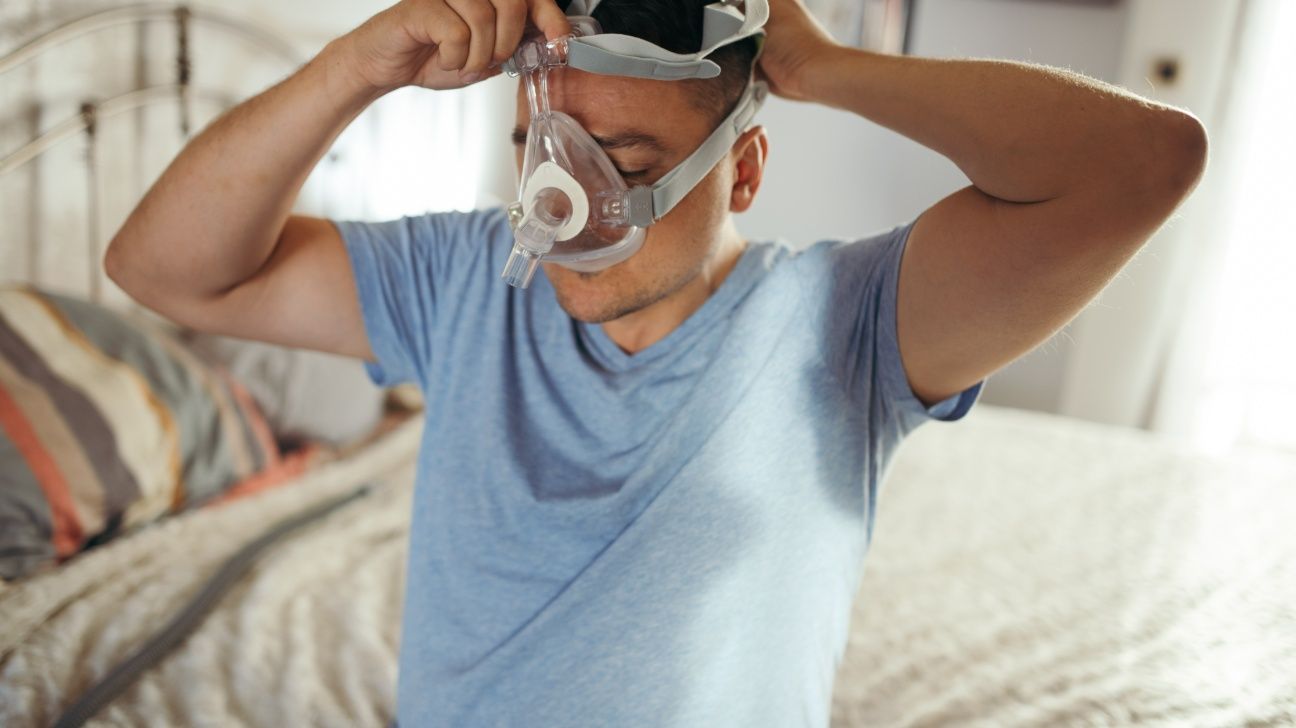
Obstructive sleep apnea affects roughly 1 billion people worldwide, according to recent estimates. The condition occurs when throat muscles relax during sleep, blocking the airway and interrupting breathing. Left untreated, it increases the risk of heart attack, stroke, and sudden cardiac death. CPAP machines remain the gold standard treatment, delivering pressurized air through a mask to keep airways open. Yet many patients abandon CPAP due to discomfort, noise, or difficulty adjusting to the device.
The mechanism connecting GLP-1 drugs to sleep apnea improvement involves weight loss. These medications work by mimicking glucagon-like peptide-1, a hormone that regulates appetite and blood sugar. Patients on GLP-1 therapy typically lose 15 to 22 percent of body weight. Since excess weight around the neck and throat narrows airways, weight reduction directly alleviates airway obstruction. Obesity represents the primary risk factor for obstructive sleep apnea, particularly in adults.
Recent clinical data supports this connection. Studies examining semaglutide and tirzepatide demonstrate that patients receiving these drugs alongside CPAP experience greater reductions in apnea-hypopnea index, a measurement of breathing interruptions per hour. The combined approach addresses sleep apnea through two distinct pathways: CPAP mechanically holds the airway open while GLP-1 drugs reduce the tissue mass contributing to obstruction.
Researchers emphasize that GLP-1 medications should complement rather than replace CPAP therapy. Neither treatment alone consistently eliminates sleep apnea in overweight patients. Combining both approaches allows patients to potentially reduce CPAP pressure settings, improving comfort and adherence. Some patients may eventually transition to less invasive therapies as weight decreases and airway anatomy improves.
The timing of this research matters. GLP-1 prescriptions have surged since 2022, driven by their effectiveness for weight loss and diabetes management. Sleep apnea frequently goes undiagnosed, with an estimated 80 percent of moderate to severe cases undetected. Many patients on GLP-1 therapy have undiagnosed sleep apnea. Sleep specialists now recognize an opportunity to screen these patients and optimize their treatment plans.
Insurance coverage remains a barrier. Many insurers cover GLP-1 drugs only for diabetes or specific weight thresholds, limiting access for obstructive sleep apnea patients. As evidence accumulates, payers may expand coverage to include sleep apnea as an indication.
Patients currently using CPAP should not discontinue therapy without medical guidance. Those starting GLP-1 medications should discuss sleep quality and daytime sleepiness with their physicians. Sleep apnea screening may warrant consideration, particularly for patients with risk factors like obesity, hypertension, or witnessed breathing pauses during sleep.
This emerging evidence suggests a complementary role for GLP-1 medications in sleep apnea management, potentially improving outcomes for patients frustrated with CPAP alone.