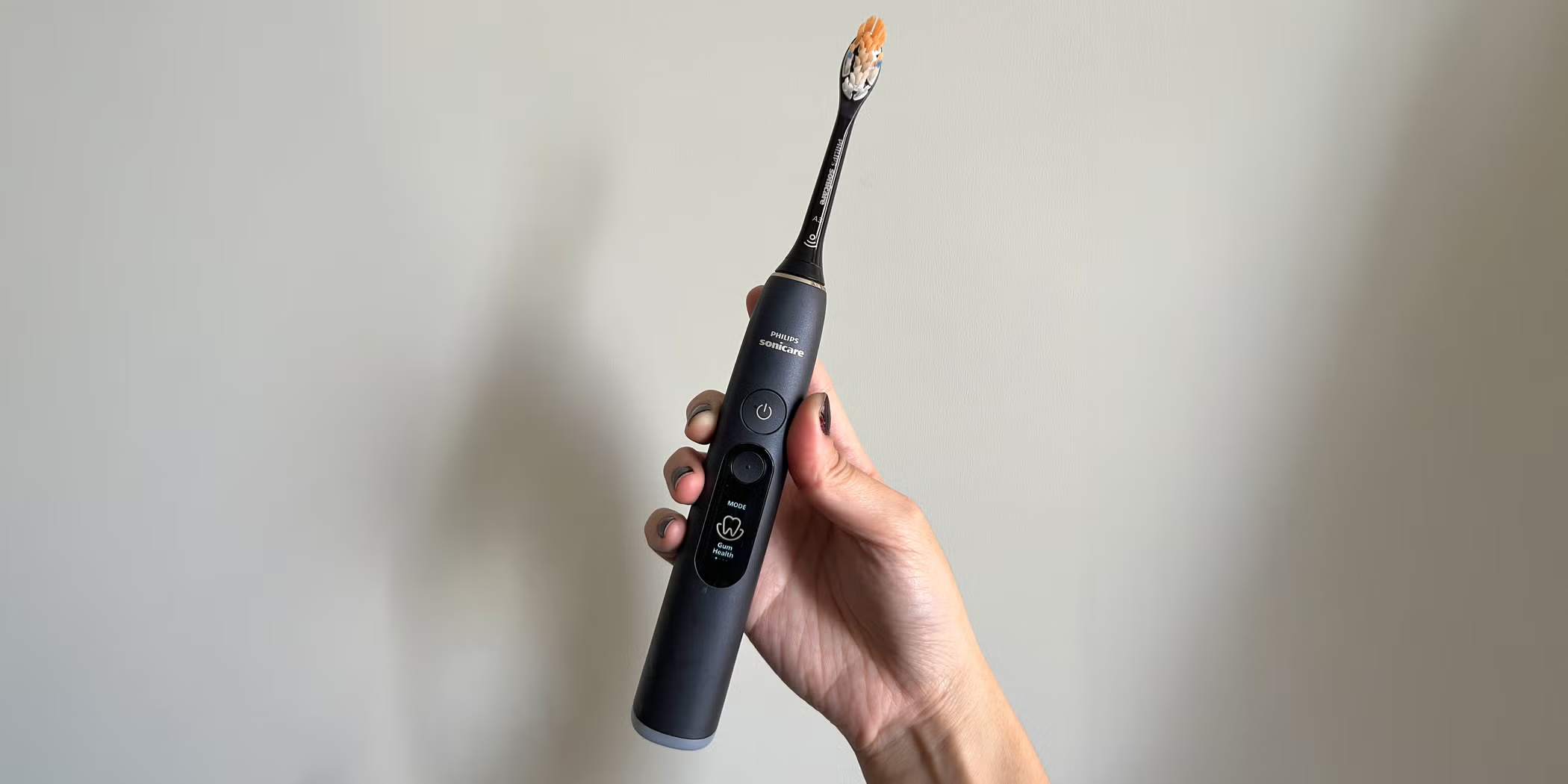
# Philips Sonicare's AI Toothbrush Promises Smart Brushing. Here's What Actually Works
Philips released a new electric toothbrush equipped with artificial intelligence that tracks your brushing patterns in real time. At $380, it represents a significant investment for oral care. The question for most people becomes straightforward: does the technology justify the price tag, or is it marketing hype layered onto an already effective device?
The device uses AI-powered sensors to monitor your brushing technique as you work. The system tracks pressure, coverage, and duration. It then provides real-time feedback through a connected app, alerting you when you're brushing too hard, missing spots, or not spending enough time on specific teeth. This differs from standard electric toothbrushes, which simply vibrate and clean without monitoring your technique.
The appeal makes sense theoretically. Most people brush poorly. Studies consistently show that people miss sections of their mouths, brush too aggressively (which damages gums), or don't spend adequate time on back molars. Dentist-recommended brushing involves two minutes of careful attention to each tooth surface at a 45-degree angle. Few people achieve this without guidance.
The reviewer's experience revealed both strengths and limitations. The real-time feedback proved genuinely useful for adjusting pressure and ensuring even coverage across all tooth surfaces. After using the device for several weeks, brushing habits improved noticeably. The app interface presented data clearly, showing which areas needed more attention on subsequent days.
However, the $380 price raises questions about necessity. A standard Philips Sonicare electric toothbrush costs roughly $100 and cleans effectively. A basic water flosser adds another $30. For most people, these fundamentals combined with traditional dental hygiene practices prevent cavities and gum disease. The AI feature appeals primarily to people who struggle with consistency or technique, but doesn't replace professional dental care.
The battery life proved solid, lasting over two weeks between charges. The brush head is replaceable, though Philips' replacement heads cost more than generic alternatives. Durability seems reliable based on construction quality, though long-term data remains limited since the device is new.
Dentists largely agree that any electric toothbrush outperforms manual brushing for most people. Dr. Steven Marks, a prosthodontist and clinical associate professor at NYU College of Dentistry, notes that consistent technique matters more than which device you choose. The AI monitor transforms this abstract concept into concrete feedback, which can motivate behavioral change.
For someone seeking to optimize their dental routine and willing to invest in technology, this toothbrush delivers measurable value. The data-driven approach appeals to health-conscious individuals who already track fitness metrics and sleep patterns. For budget-conscious consumers or those with solid existing brushing habits, a standard electric toothbrush delivers comparable results at a fraction of the cost.
The real value proposition hinges on individual circumstance. If your dentist has repeatedly noted poor brushing technique or gum recession, the AI feedback could prevent costly future treatment. If your dental health is stable and your routine works, the upgrade becomes less compelling. The technology works as advertised, but affordability and necessity remain separate questions worth considering before purchasing.