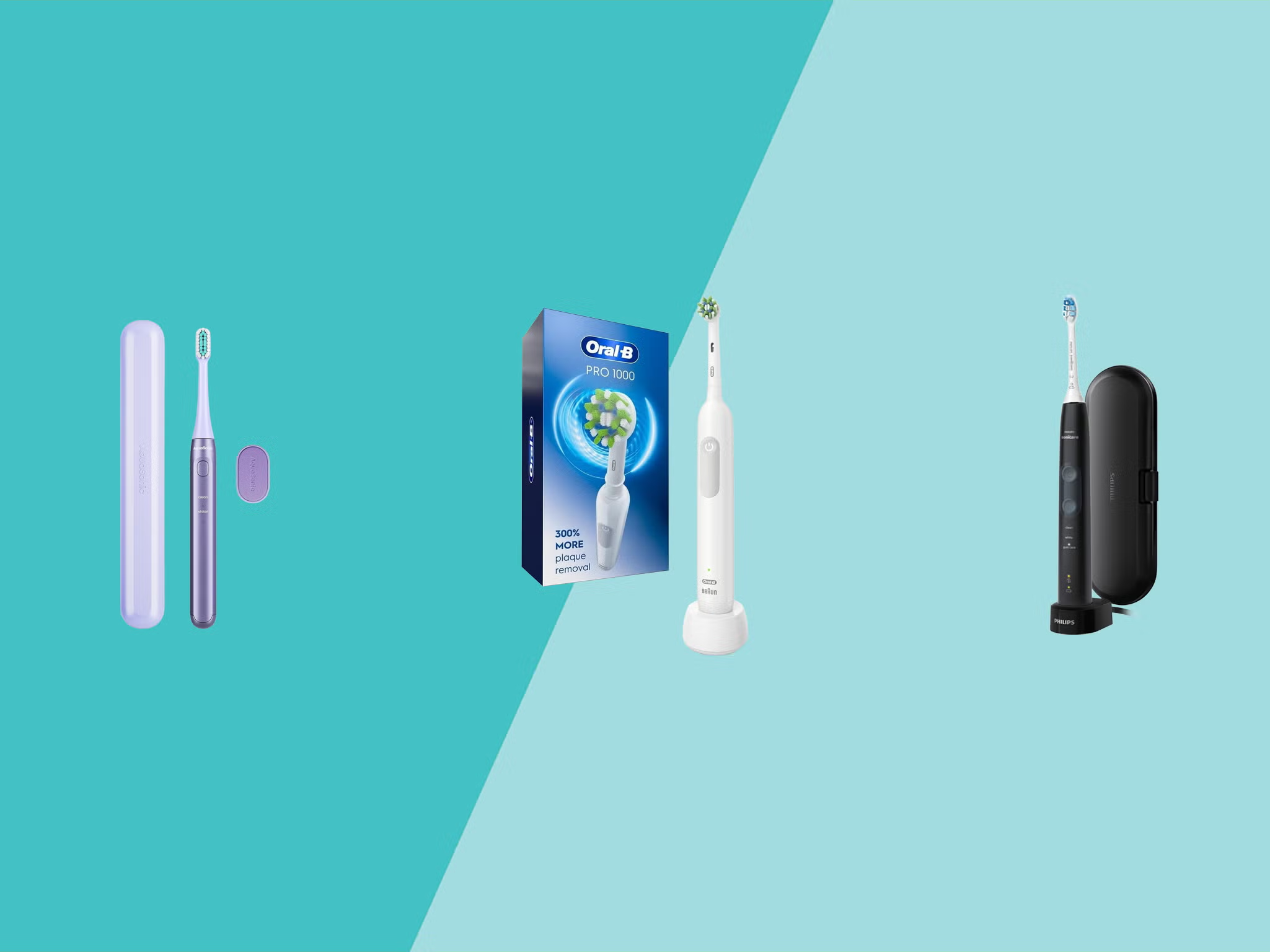
# The Science Behind Electric Toothbrushes: What Dentists Actually Recommend
Electric toothbrushes have become mainstream bathroom fixtures, but the question remains: do they truly deliver better results than manual brushing? Dental experts say yes, backed by specific evidence about how these devices work and who benefits most from them.
The mechanical advantage of electric toothbrushes stems from their oscillating or rotating bristles, which complete far more brush strokes per minute than human hands can achieve. Most quality electric models deliver between 2,500 and 40,000 strokes per minute, depending on technology. This frequency reduction in plaque and tartar buildup has been documented across multiple clinical studies. The American Dental Association recognizes oscillating-rotating toothbrushes as particularly effective for removing biofilm along the gum line, where periodontal disease often begins.
Dentists consistently highlight one overlooked advantage: consistency. Many patients struggle with proper brushing technique or pressure control when using manual toothbrushes. Electric models often include built-in timers that prompt users to brush for the recommended two minutes, and pressure sensors that alert users when they are brushing too hard. These features address real behavioral barriers that prevent optimal oral hygiene.
Different technologies serve different needs. Sonic toothbrushes vibrate at extremely high frequencies (up to 62,000 times per minute) and excel at reaching interproximal spaces between teeth. Oscillating-rotating models move bristles in small circular motions and tend to perform better on flat surfaces and along the gum line. Some users find sonic toothbrushes more comfortable, while others prefer the deeper cleaning sensation of oscillating-rotating devices.
The investment varies significantly. Entry-level electric toothbrushes cost between $30 and $60, while premium models from established brands range from $100 to $300. More expensive options often include smart features like pressure sensors, multiple cleaning modes, and connectivity to smartphone apps that track brushing habits. However, research shows that basic electric toothbrushes deliver comparable cleaning results to luxury models when used correctly.
Certain populations benefit most from switching to electric. People with limited dexterity, arthritis, or neurological conditions find electric toothbrushes easier to use than manual models. Those with implants, bridges, or orthodontic hardware also see improved cleaning around these structures. Patients prone to gum disease respond particularly well to consistent electric brushing.
Battery life and replacement head costs matter practically. Most rechargeable electric toothbrushes run for one to three weeks between charges. Replacement brush heads typically cost $15 to $30 each and should be swapped every three months. Factor these ongoing expenses into your decision.
The most important factor remains consistent use. An electric toothbrush sitting in a drawer provides zero benefit. Dentists recommend choosing a model you will actually use daily. Water resistance ratings matter for bathroom use, and some models offer travel cases for convenience.
Consider your specific dental concerns when selecting a toothbrush. Those battling plaque buildup and gum inflammation benefit from oscillating-rotating technology. Users with sensitive teeth often prefer gentler sonic options. Personal comfort drives compliance, and compliance drives results.