# The Hidden Class Divide Behind the "Bare Nails" Beauty Trend
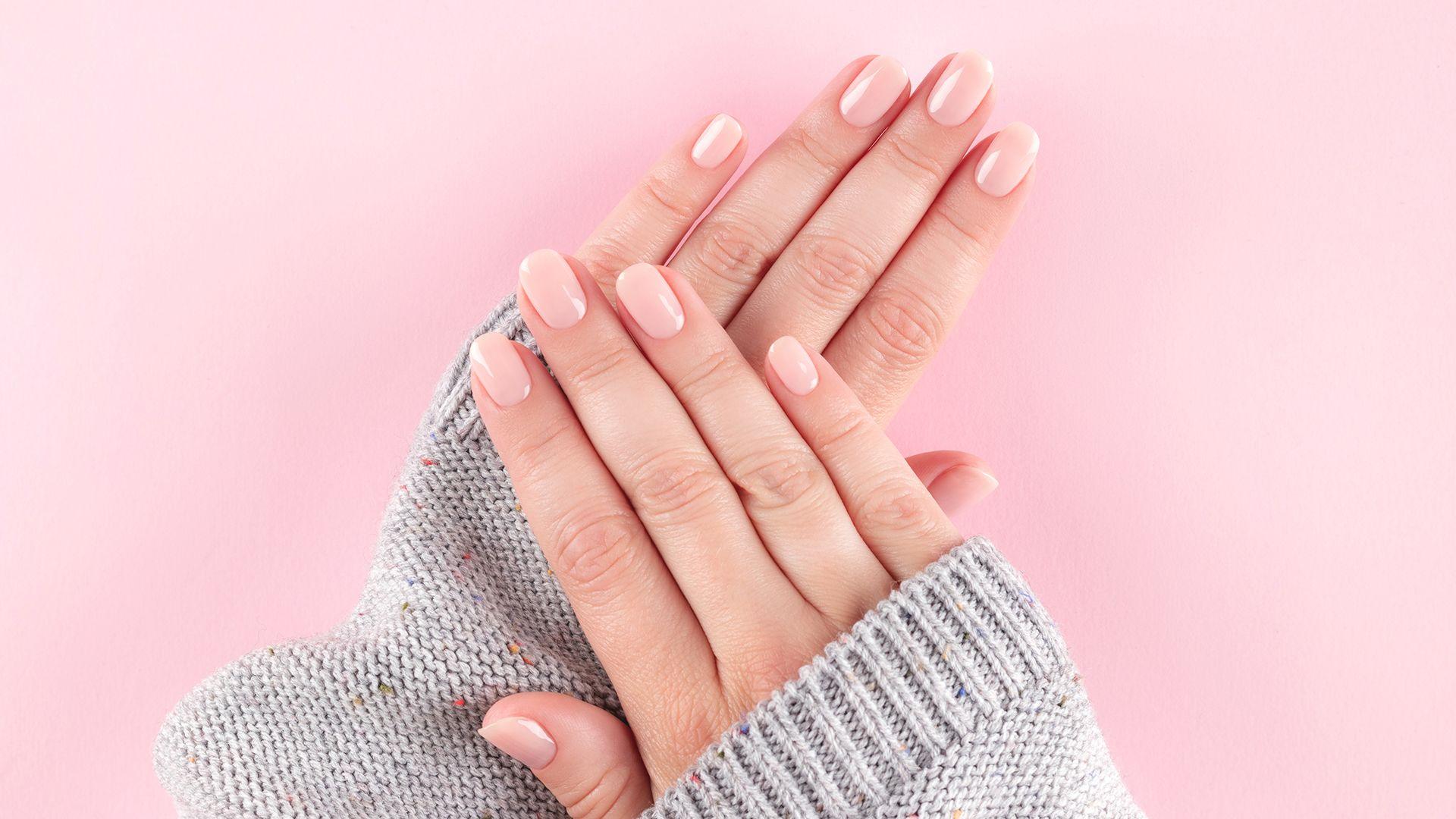
The bare nails aesthetic has exploded across social media and fashion weeks, presenting itself as effortless minimalism. Women paint their nails to look unpainted, or leave them completely natural, rejecting the bright acrylics and elaborate designs that dominated the past decade. The trend feels democratic, accessible, even rebellious against consumerism.
But beneath this apparent simplicity lies a paradox rooted in class and economics.
Achieving the "bare nails" look requires resources that aren't equally distributed. True bare nails demand meticulous maintenance. Dermatologists and nail technicians explain that natural nails require consistent moisturizing, cuticle care, protective base coats, and regular manicures to maintain that polished-but-unpainted appearance. The semi-sheer or milky nude polishes that create the illusion of bare nails cost the same as any other nail lacquer. Professional manicures to achieve this aesthetic run between $30 and $60, comparable to or exceeding the cost of artificial nail designs.
For lower-income women, acrylics and gel extensions actually offer better economic value. A single gel manicure lasts three to four weeks and requires minimal upkeep between appointments. The initial investment pays off over months. Bare nails, by contrast, demand constant touchups and professional attention to prevent visible imperfections, ridges, or discoloration.
The trend also perpetuates a specific beauty standard rooted in affluent, predominantly white spaces. Bare or barely-there nails became fashionable among wealthy women and fashion influencers as a marker of effortless privilege. The unspoken message: you have the time, money, and genetic advantages to maintain perfect nails without enhancement. You don't need to work with your hands.
Working-class women and women of color have historically embraced bolder nail designs for different reasons. Elaborate acrylics and colorful designs represent self-expression, creativity, and cultural pride. They also solve practical problems. For women in healthcare, food service, manual labor, or caregiving, acrylics provide durability and protection. They hide ridges, discoloration, and damage from physical work.
Fashion and beauty trends don't exist in a vacuum. When the industry celebrates bare nails as the pinnacle of sophistication, it implicitly devalues other aesthetic choices. The bare nails trend becomes another way that wealth signals itself through apparent simplicity. The wealthier you are, the logic goes, the less you need to "try."
This pattern repeats across beauty industries. Expensive skincare marketed as "barely-there" makeup. Luxury brands selling "simple" clothing at premium prices. The aesthetic of effortlessness has always been the domain of the privileged.
The bare nails trend isn't inherently problematic. But recognizing its class undertones matters. It reminds us that trends we perceive as neutral or progressive often encode existing power structures. Beauty standards reflect who gets to define what counts as beautiful, and that definition shifts based on who has resources and influence to shape it.